COMPANY PROFILE

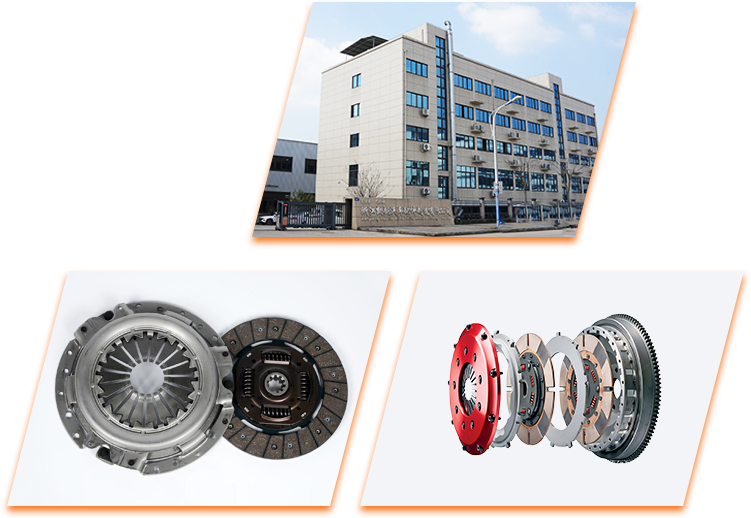
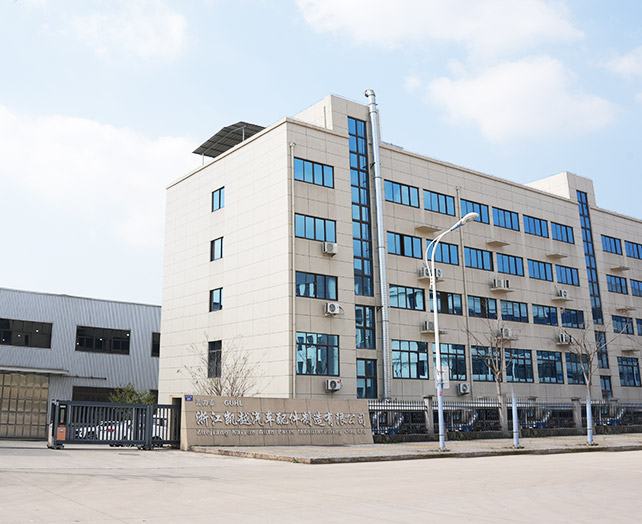
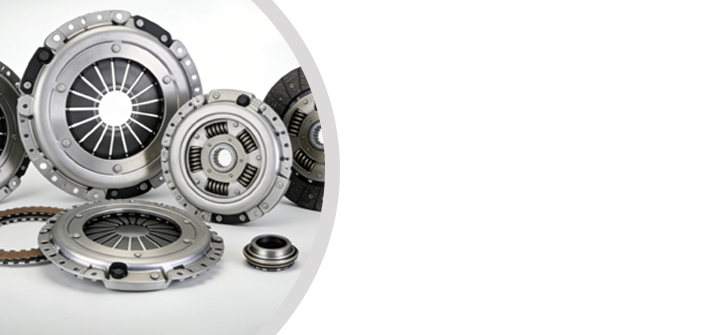
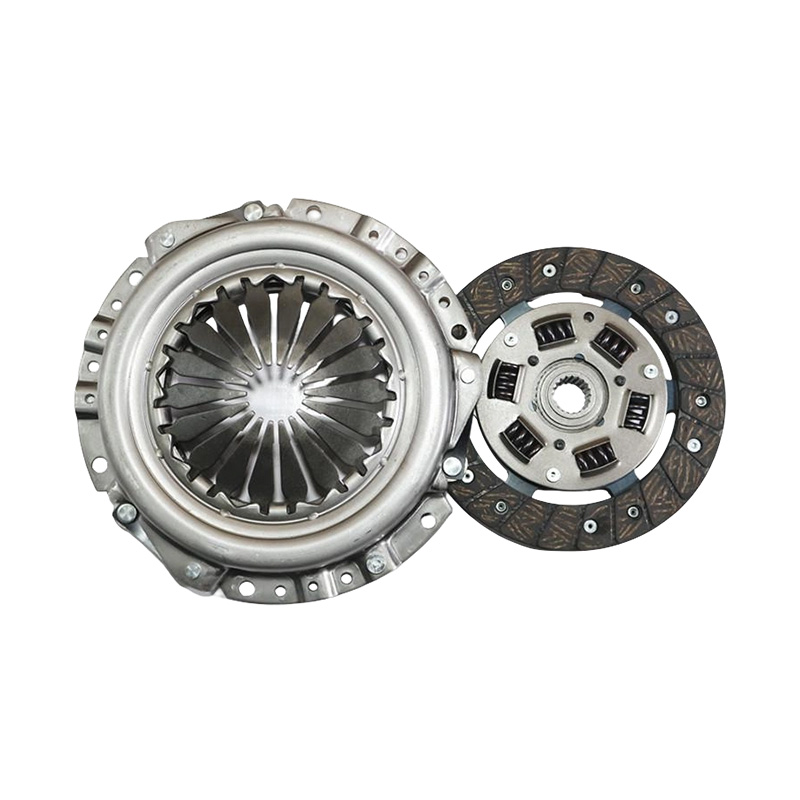
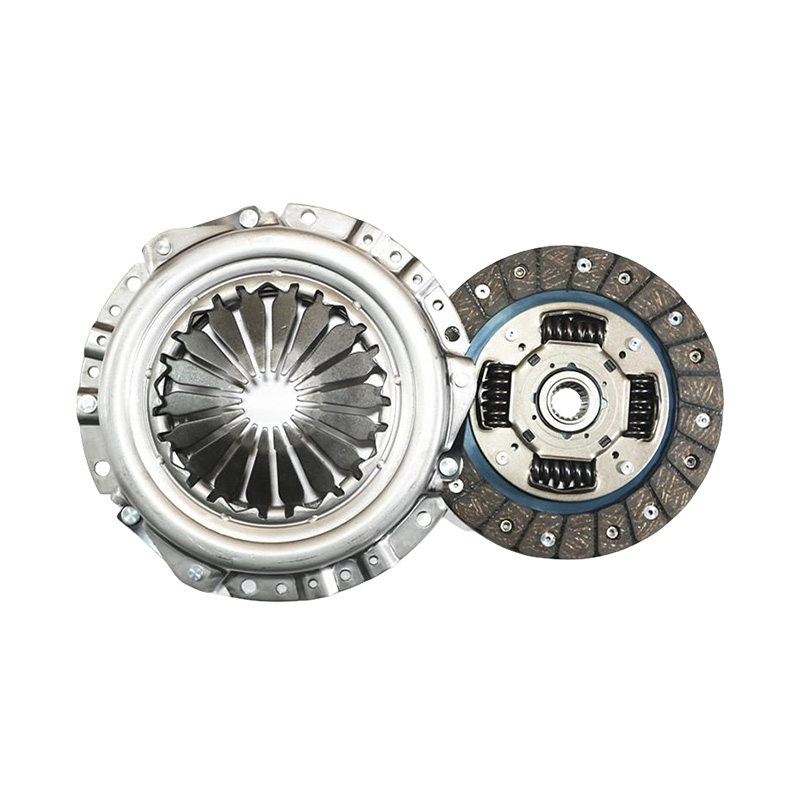
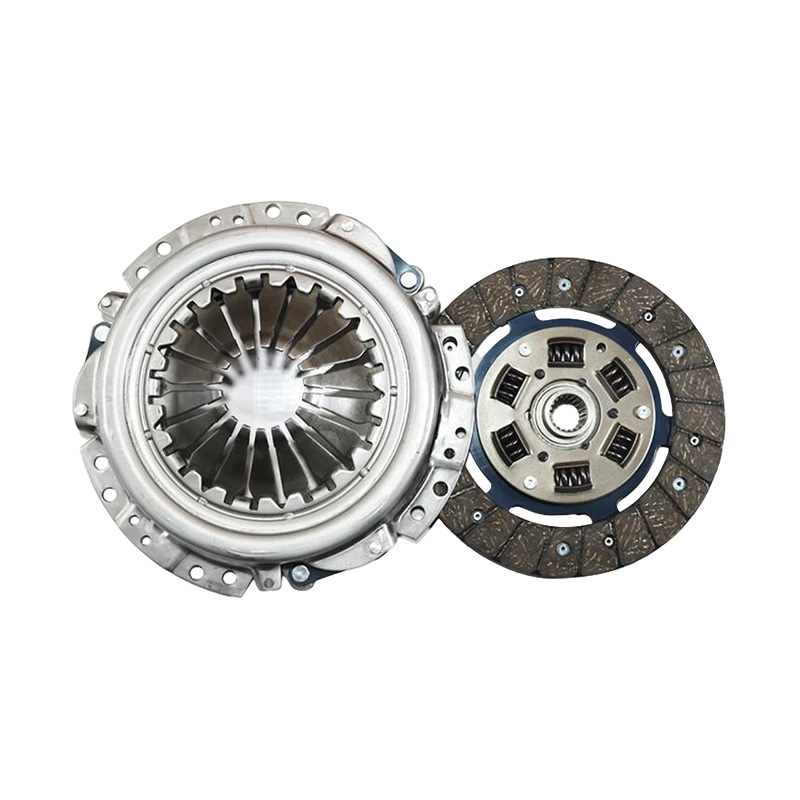
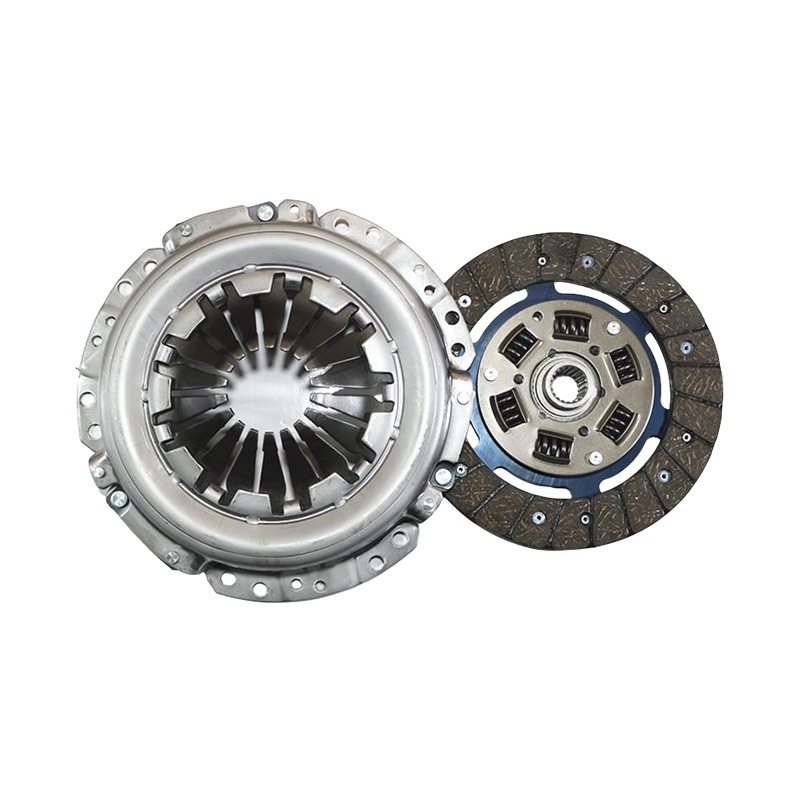
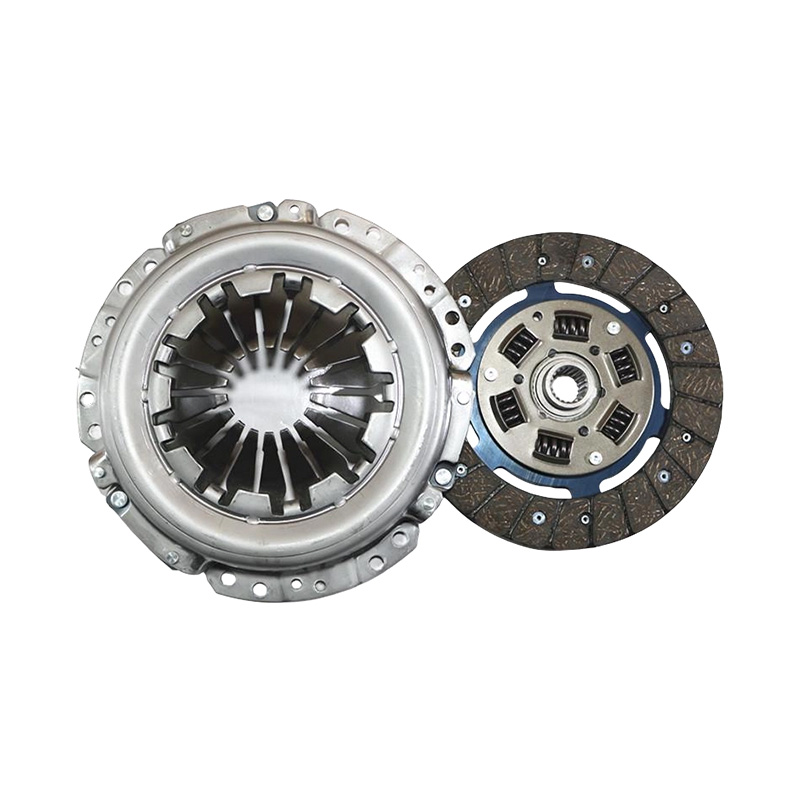
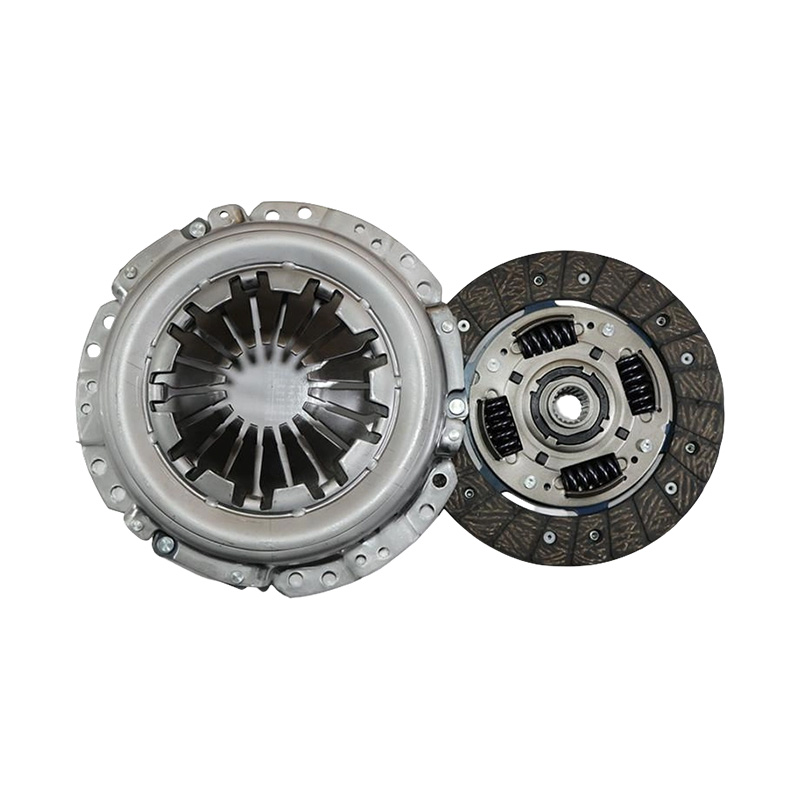
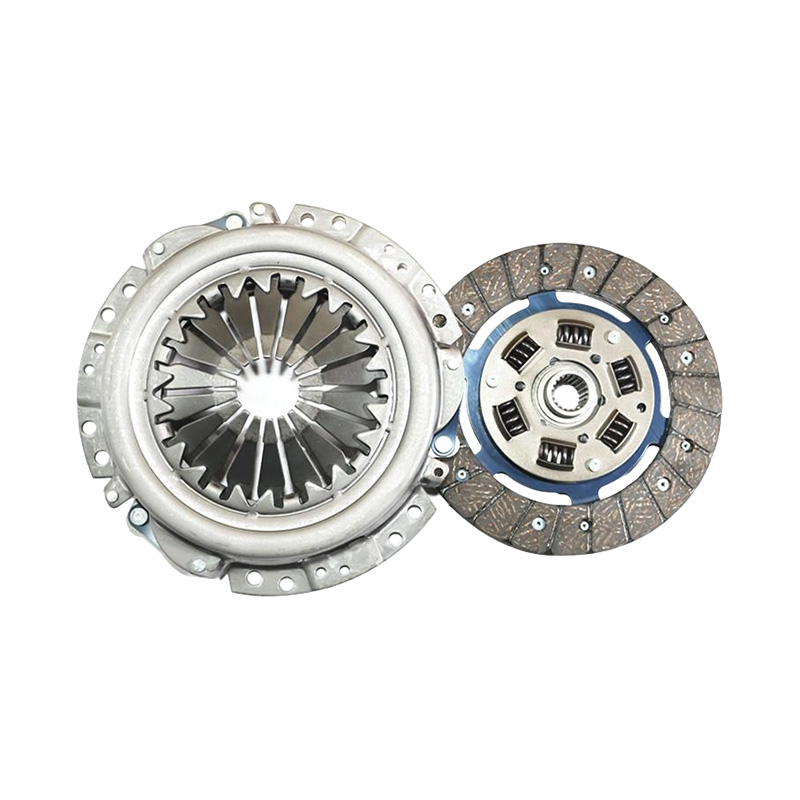
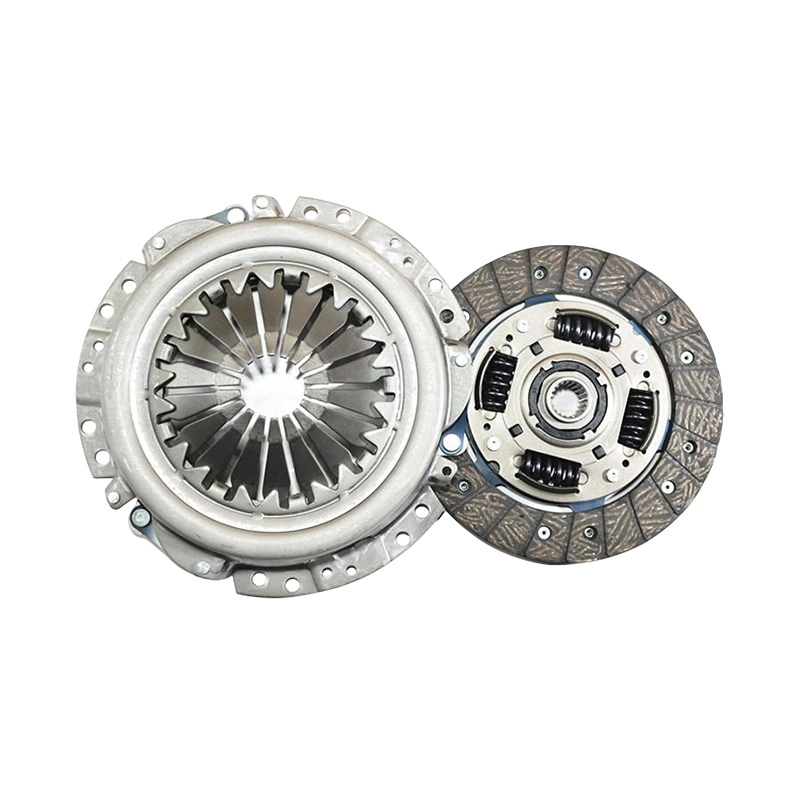
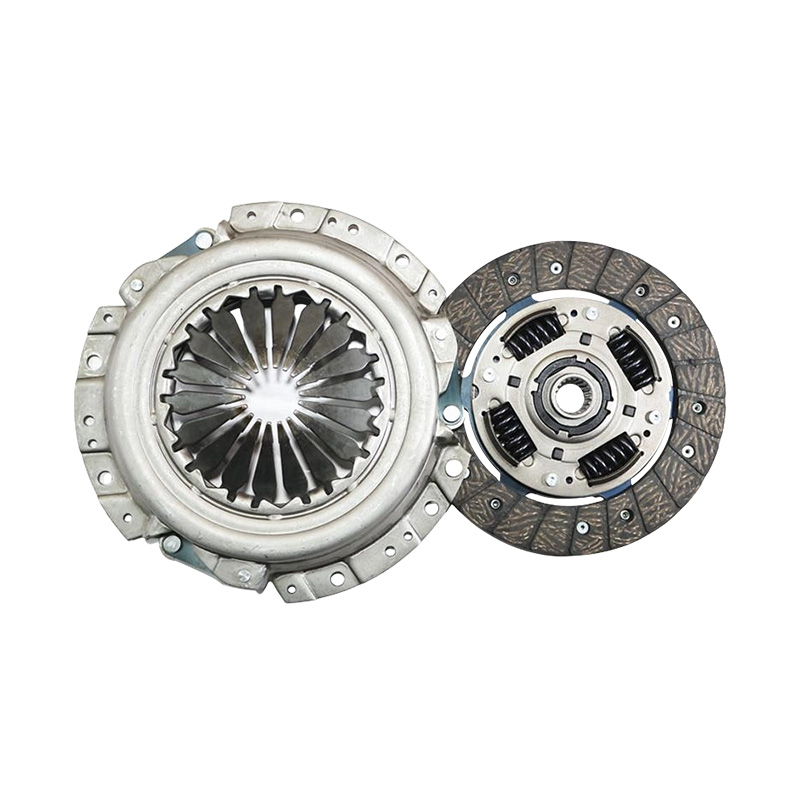
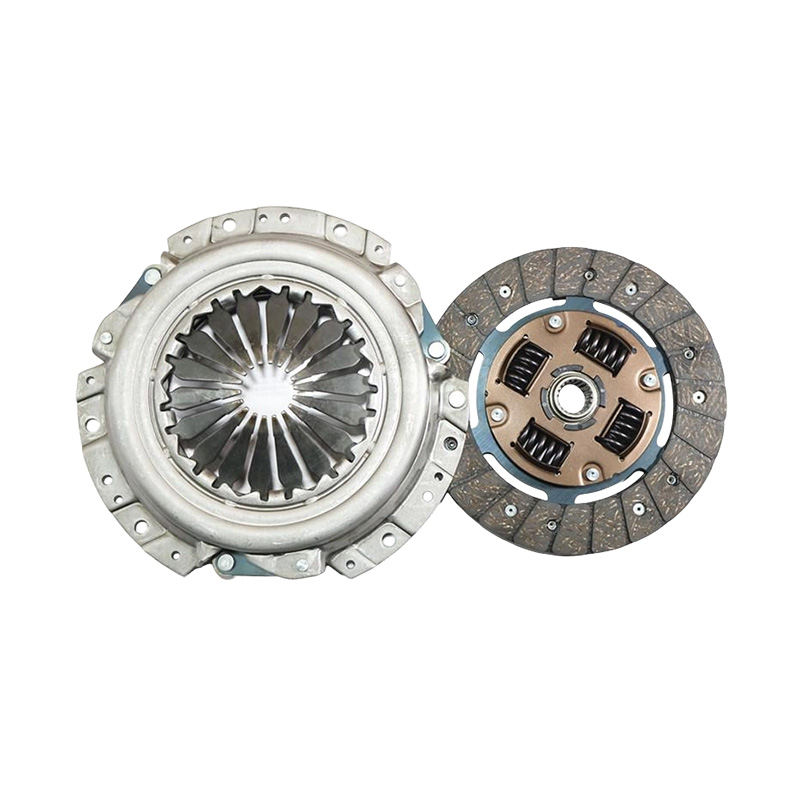
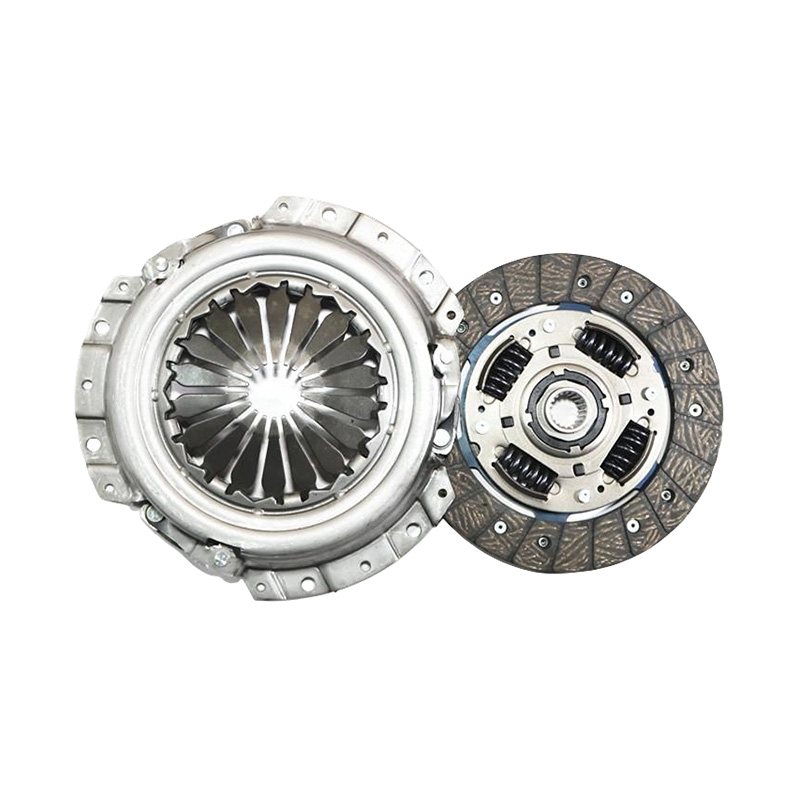
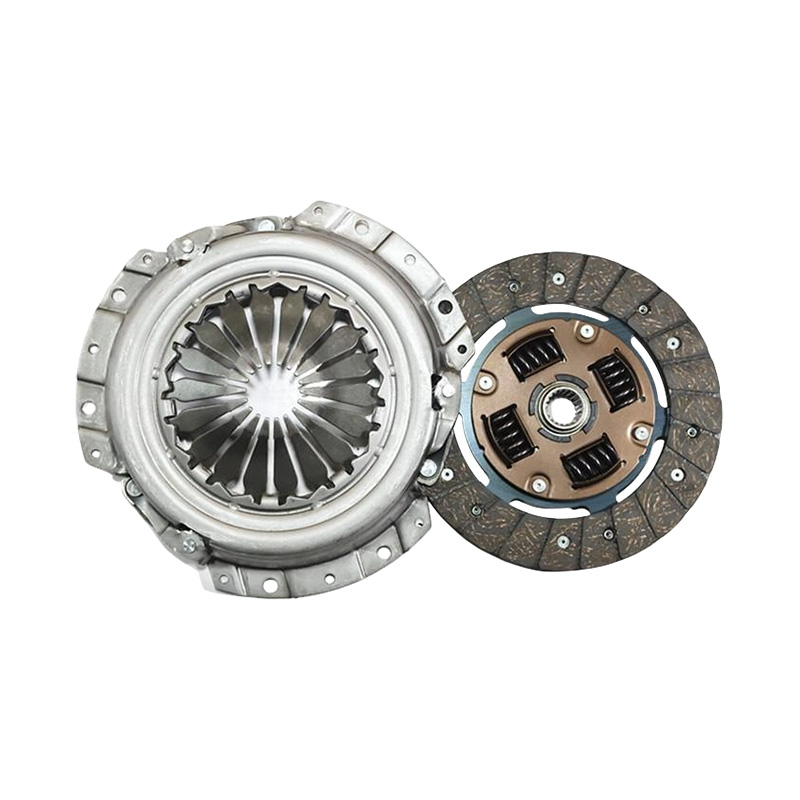
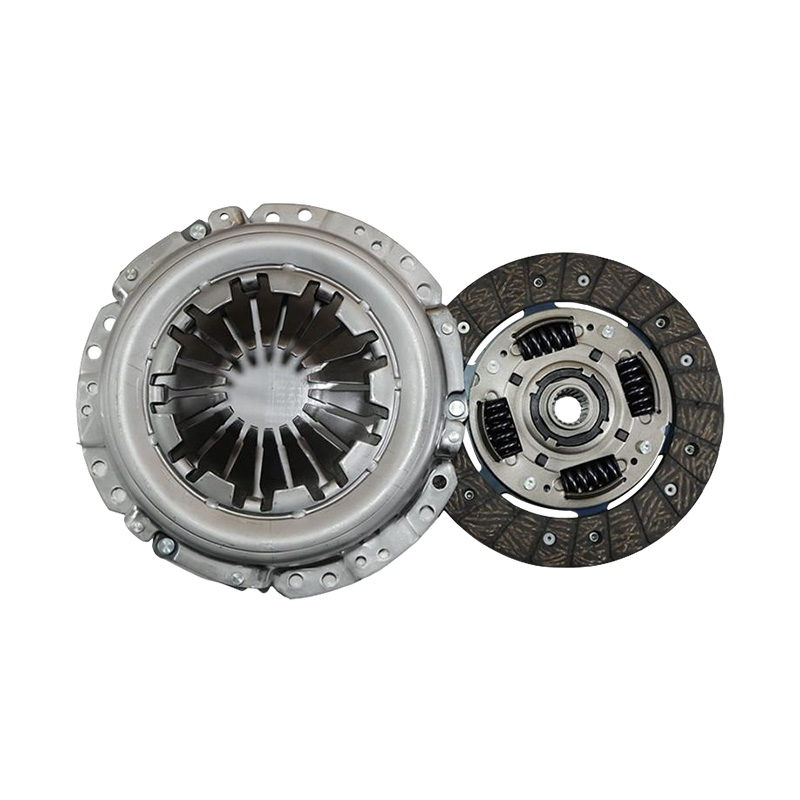
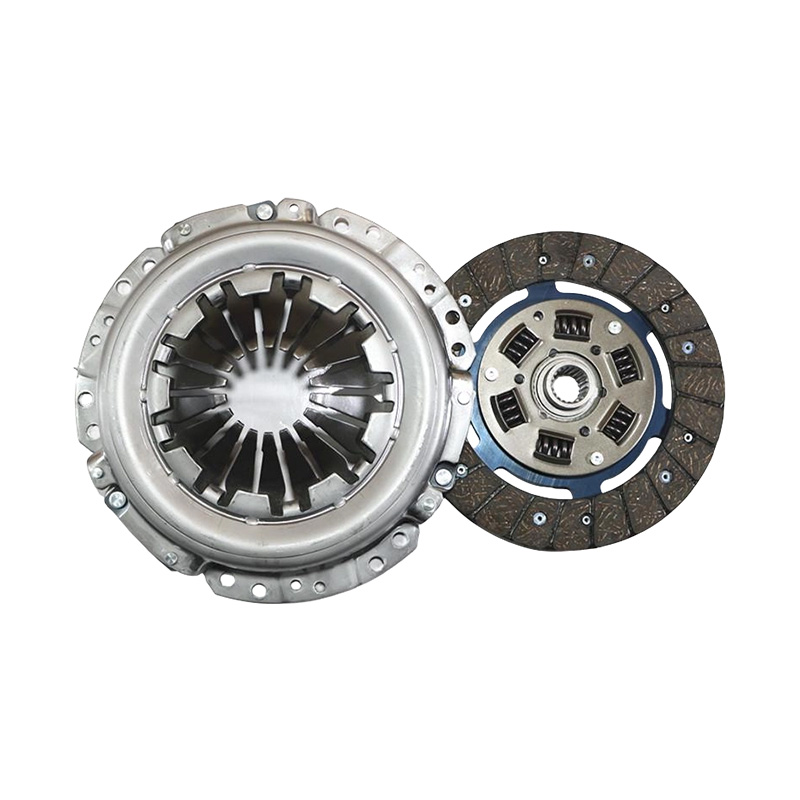
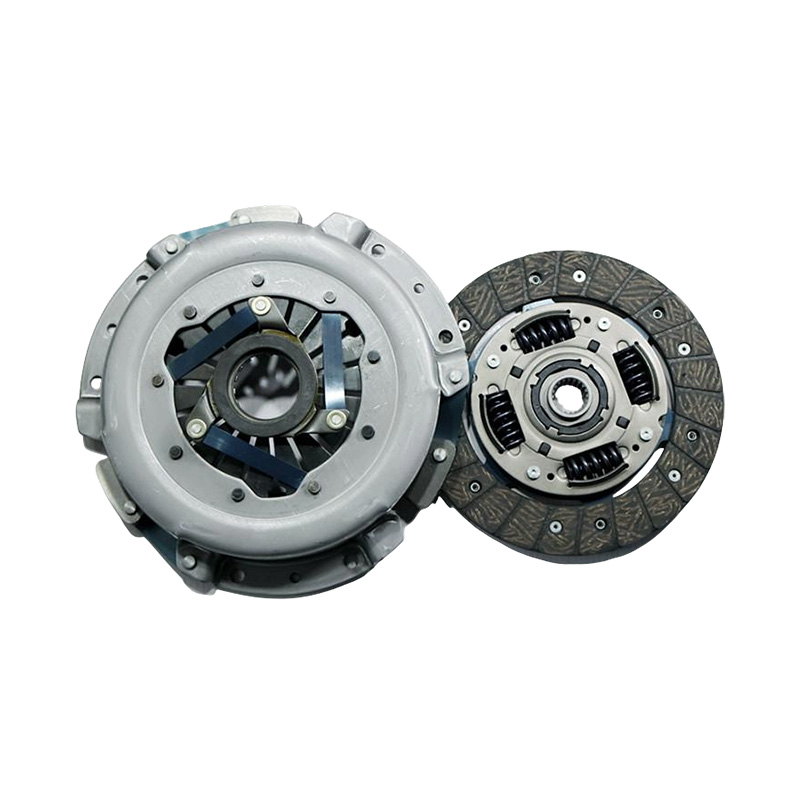
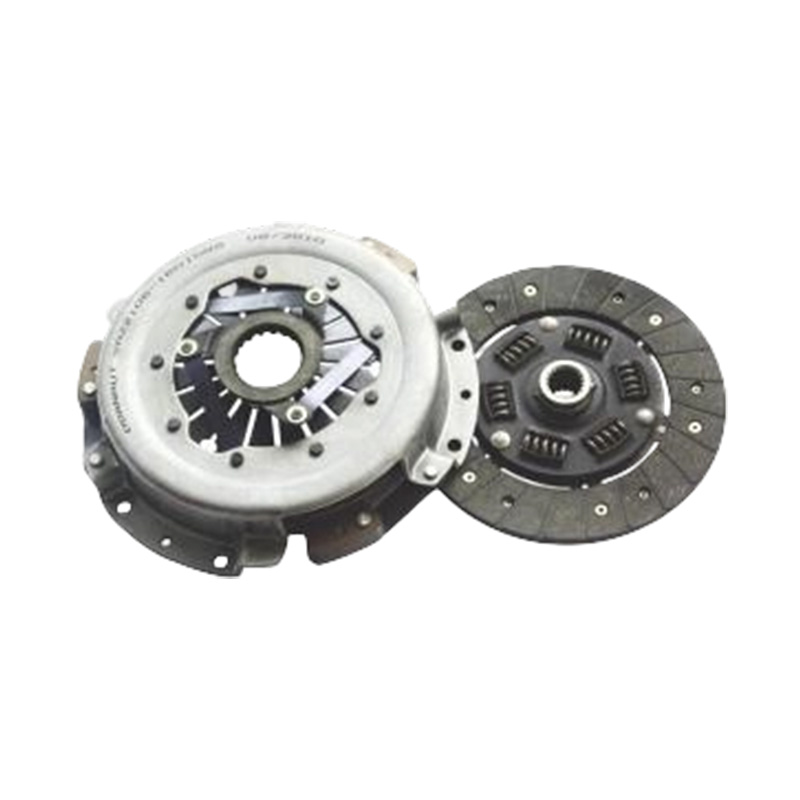
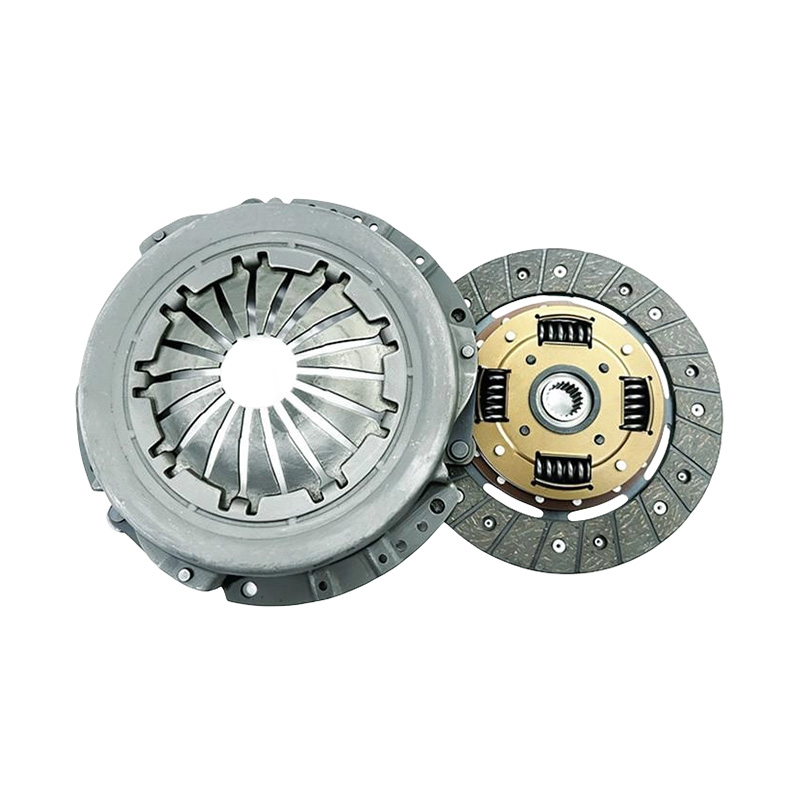
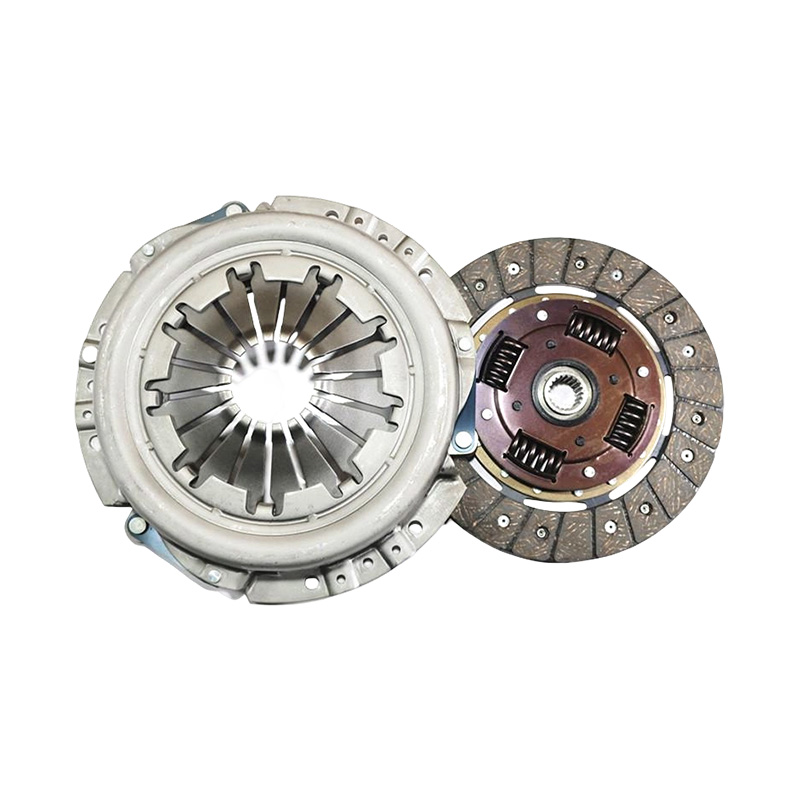
Zhejiang Kaiyue Auto Parts Manufacturing Co.,Ltd., an ISO 9001 Certified Manufacturer in China, specializes in all kinds of clutch production

. We have been in the Business of automotive components for more than TWO decades. Our annual output reaches 1.2 million sets of clutch disc assembly, and 600000 sets of clutch cover assembly, and our wide range of various models of products are to the taste of different markets’ customers, with about 60% of product sales in 70 countries after-markets, such as Europe, North America, the Middle East, Africa, and Southeast Asia, etc. About 40% of product sales are in the domestic market.
About Us
  • Strong adaptability

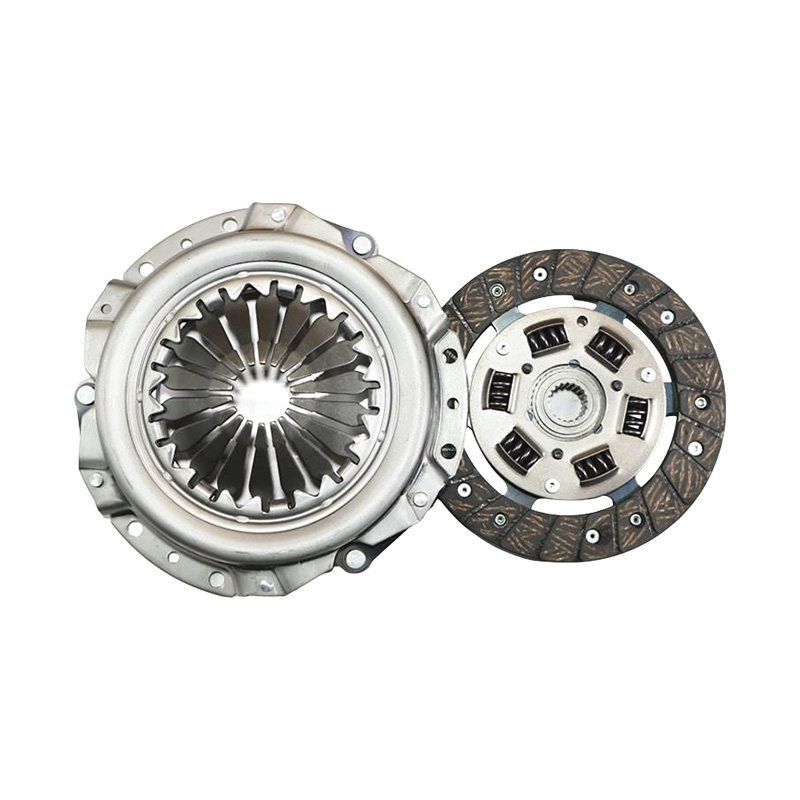
    We specialize in automotive clutch covers, compatible with mainstream and niche car models both domestically and internationally.
  • Domestic and foreign trade

    Domestic sales cover more than 30 provinces and cities across the country, forming a market pattern of "dual-driven domestic and international trade."
  • Mass production capability

    With an annual production capacity of 400,000 clutch assemblies, equipped with professional production and testing equipment, we ensure consistency and reliability.
  • Research and development innovation

    We continuously invest in new product development, enabling us to quickly respond to customer customization needs and provide OEM/ODM services.

Recommended Products
Latest News

  • Clutch assembly application industry

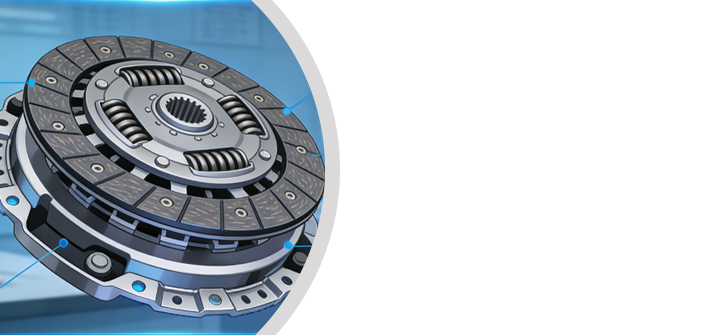
    The clutch assembly, as a key component for power transmission and disconnection, is widely used in automobiles, construction machinery, agricultural machinery, motorcycles, and various industrial equipment. In the fields of passenger cars and commercial vehicles, it is mainly used for manual transmissions and hybrid systems to achieve smooth starting and shifting; Construction machinery, tractors, harvesters, and other equipment rely on their ability to withstand heavy loads and frequent clutch transmissions; Motorcycles, machine tools, printing and textile machinery also require clutches to complete power control and overload protection, which are essential core assemblies in the field of mechanical transmission.
    Apr 29, 2026
    Industry News
  • Standard configuration: Dry single disc friction clutch

    Standard configuration: Dry type single disc friction clutch, with simple structure, good heat dissipation, and high transmission efficiency, widely suitable for manual transmission passenger cars, light trucks, micro buses, and some motorcycles. This clutch relies on the engagement and disengagement of friction plates and pressure plates to achieve power on/off, with direct response and convenient maintenance. It can meet the needs of starting, shifting, and idling conditions under normal road conditions and is the most mainstream standard transmission component in traditional fuel manual vehicle models.
    Apr 29, 2026
    Company News
  • Level Controller Principle - Introduction

    The core principle of the liquid level controller is to detect changes in liquid level through sensors, convert them into electrical signals, compare the set values with the controller, and drive actuators such as pumps/valves to achieve automatic liquid level stability and over limit alarm.Mainstream types and principles-Floating ball type (common standard): The floating ball rises and falls with the liquid level, driving the magnetic ring to trigger the reed switch/micro switch; High position pump stop and low position pump start, with a simple structure and low cost, suitable for water tanks/sewage tanks.-Electrode type: Utilizing the conductivity of liquid, the circuit conducts when the electrode contacts the liquid, and the liquid level is determined; Mostly used for conductive liquids (water, sewage).-Capacitive type: The probe forms a capacitance with the container wall, and the change in liquid level changes the dielectric constant and capacitance value, converting the liquid level; Suitable for non-conductive media such as oil and organic solvents.-Ultrasonic type: The probe emits ultrasonic waves, receives reflected waves from the liquid surface, and calculates the distance based on the time difference; Non contact measurement, suitable for corrosive/high-temperature liquid, avoid foam/steam.-Pressure type: Measure the static pressure at the bottom of the tank (P=ρ gh) and convert it to liquid level; Suitable for sealed tanks and mixing conditions, requiring compensation for density changes.Control Logic- Switch control (commonly used) : Set high and low limit positions; The liquid level reaches high level → stop the pump/close the valve , drop to low level → start the pump/open the valve , and maintain the stability of the interval.-Continuous control: PID adjustment, precise and stable liquid level at the set point, commonly used in fine chemical processes.- Alarm protection : Over high and low limit triggers sound and light alarm or interlock shutdown, preventing overflow/dry pumping.
    Apr 29, 2026
    Company News
  • Can Aftermarket Automotive Clutches Match Factory Engagement Feel

    Replacing a clutch does not necessarily mean giving up the driving character of the original vehicle. Pedal weight, engagement point, take-up speed and low-speed smoothness are all influenced by the relationship between the clutch disc, clutch cover, friction material and diaphragm spring. GUHL approaches the aftermarket clutch as a matched mechanical system rather than an isolated replacement part. Engagement Feel Starts With the Clutch Disc Clutch disc construction has an effect on how torque reaches the transmission. Friction lining, hub design, torsional springs and disc geometry work together during engagement. Friction material: Organic-style friction compounds can provide torque transfer suited to daily driving. Sprung hub: Torsional springs help absorb shock during clutch take-up. Disc thickness: Controlled thickness supports clamping and release characteristics. Spline accuracy: Correct hub spline dimensions help maintain transmission input-shaft engagement. GUHL uses matched disc and cover configurations to keep these characteristics working. Such coordination matters because changing the friction surface alone can alter the perceived engagement behavior. Pressure Plate Force Shapes Pedal Response The clutch cover is another factor behind factory-like operation. Its diaphragm spring generates the clamping force that holds the friction disc between the flywheel and pressure plate. Excessive spring force may increase torque capacity. It can also create a heavier pedal. Lower force can produce a pedal but may affect torque transmission under demanding conditions. GUHL focuses on controlled pressure-plate characteristics than simply increasing clamp load. Cover rigidity, diaphragm spring geometry, release movement and working dimensions all contribute to the pedal response. Why Matching the Cover Matters Consistent diaphragm spring movement supports pedal travel. Stable cover construction helps maintain pressure across the friction disc. Correct release geometry helps prevent clutch disengagement. Matched cover specifications help preserve the intended engagement range. Torque Capacity Does Not Have to Mean Harsh Engagement Higher holding capacity and comfortable engagement are not automatically opposing targets. Clutch design can balance these characteristics through friction selection, spring calibration and torsional damping. GUHL develops its aftermarket clutch products around application-specific specifications. A street vehicle may require engagement and moderate pedal effort while a commercial vehicle may require greater clamping force and stronger friction components. Using the internal configuration across different applications can produce noticeably different driving characteristics. Application Matching Is Part of the Product Vehicle model does not fully define clutch compatibility. Engine output, transmission type, flywheel dimensions, disc diameter, spline count cover dimensions and release mechanism all influence the assembly. Disc diameter: Common passenger-vehicle applications may use sizes around 200–240 mm while larger commercial applications require larger assemblies. Spline configuration: Hub spline count and input-shaft dimensions need to correspond Clamp load: Pressure-plate force needs to correspond with the vehicles torque requirements. Release system: Mechanical and hydraulic release arrangements can require cover and bearing configurations. GUHL supports a range of clutch applications and develops products around specific vehicle and assembly requirements. Its manufacturing program includes clutch discs and covers with production focused on automotive aftermarket applications. Can GUHL Deliver Factory- Feel? Yes provided the replacement assembly is engineered around the application rather than treated as a generic part. A matched aftermarket automotive clutch can reproduce familiar characteristics such, as progressive take-up predictable pedal movement, controlled torque transfer and smooth low-speed engagement. GUHLs approach combines disc construction, pressure-plate calibration, friction characteristics and application-specific dimensions. The result is a replacement clutch designed not to fit the vehicle but to preserve the mechanical behavior drivers expect from a properly matched clutch assembly.
    Sep 08, 2026
    Industry News
  • What Makes One Automotive Clutch Fit Another Engine Variant

    Engine variants can share the same vehicle body yet require different clutch assemblies. Similar engine displacement does not automatically mean identical clutch dimensions. Flywheel construction, transmission input shaft geometry, torque output, and pressure plate mounting patterns all influence compatibility. GUHL develops its clutch products around these mechanical relationships, helping distributors and replacement-part buyers identify the correct assembly for each application. Engine Torque Sets the Mechanical Requirement Engine output is an important reference point behind clutch design. Two engines fitted into the same vehicle platform may generate different torque levels, creating different requirements for friction area and clamping force. Torque rating: Higher engine torque can require greater clutch holding capacity. Friction diameter: Larger friction surfaces can provide additional torque transmission capacity. Clamp load: Pressure plate force needs to correspond with the intended engine output. Disc construction: Friction lining and torsional damping can vary according to application requirements. GUHL treats these parameters as part of the complete clutch specification rather than relying on engine displacement alone. Flywheel Dimensions Create Another Compatibility Boundary The flywheel provides the mounting and friction interface for the clutch assembly. Different engine variants can use different flywheel diameters, bolt patterns, friction surfaces, or flywheel designs. Such differences can prevent a clutch from fitting correctly even though the vehicle model appears identical. A pressure plate designed around a specific mounting pattern cannot simply be transferred to another flywheel with a different bolt layout. Key Flywheel Details Friction surface diameter Pressure plate bolt pattern Flywheel thickness and working height Dowel or locating-hole arrangement Single-mass or dual-mass construction Complete clutch kits can also be engineered around a dual-mass flywheel. Published clutch specifications show that pressure plate diameter, mounting holes, flywheel hardware, and release components can form part of a single application-specific package. Transmission Splines Can Change the Disc The clutch disc must connect precisely with the transmission input shaft. Engine compatibility alone cannot confirm disc compatibility. Spline count: The hub must match the input shaft spline arrangement. Spline diameter: Matching tooth count without matching shaft dimensions is insufficient. Hub depth: Disc position must provide suitable engagement with the transmission shaft. Disc diameter: The friction diameter must correspond with the pressure plate and flywheel. Vehicle application references commonly use engine, transmission, OE number, clutch diameter, spline count, and hub dimensions together rather than relying on the vehicle name alone. Pressure Plate Geometry Can Separate Similar Engines Pressure plates may look similar externally while using different internal characteristics. Diaphragm spring geometry, clamp load, cover dimensions, and release travel all affect whether the assembly works with a particular engine and transmission combination. GUHL pays attention to these dimensional relationships during clutch development. Correct cover height and release geometry help maintain the required operating position between the clutch pedal, release mechanism, pressure plate, and disc. Why Engine Variant Data Matters to a Clutch Manufacturer Application data gives an automotive clutch manufacturer a practical engineering reference. Model name and engine displacement provide useful starting information, but detailed specifications create a more reliable product match. Engine code and production period Transmission type Flywheel configuration Clutch disc diameter Hub spline dimensions Pressure plate mounting dimensions Original equipment reference numbers GUHL uses application-specific information to develop and supply clutch assemblies for different vehicle configurations. This approach helps distinguish products that may share a similar appearance but have different dimensional or performance requirements. Fitment Is More Than Physical Installation Correct clutch fitment involves more than confirming that the assembly can be bolted onto the engine. Disc engagement, flywheel contact, pressure plate position, transmission spline connection, and release travel all need to work together. That is why GUHL views engine-variant compatibility as a system-level requirement. With accurate application data and controlled clutch dimensions, an automotive clutch manufacturer can create products that correspond more closely with the mechanical requirements of each engine and transmission combination.
    Sep 08, 2026
    Industry News
  • Does an OEM Replacement Clutch Kit Need Every Original Component

    Clutch replacement often raises a practical question: should an oem replacement clutch kit contain every component found around the original clutch assembly? The answer depends on the vehicle application, release system, flywheel condition, and service design. GUHL approaches clutch kits as matched product systems, with each component included according to its mechanical role and application requirements. Core Components Build the Working Clutch Three components normally form the central working group: clutch disc, pressure plate, and release mechanism. Their dimensions and operating characteristics need to correspond with each other. Clutch disc: Transfers engine torque through the friction surfaces and transmission hub. Pressure plate: Applies clamping force to keep the disc engaged with the flywheel. Release bearing: Transfers release-system movement to the pressure plate diaphragm spring. Pilot bearing or bushing: Supports the transmission input shaft on applications that use this component. Many replacement kits combine several of these parts. Public product specifications show that kit contents can vary by application, so the phrase “complete clutch kit” does not guarantee an identical component list across every vehicle. Why the Flywheel Is Often a Separate Decision The flywheel works directly with the clutch disc, yet it does not necessarily need to be replaced with every clutch kit. Its condition, surface profile, thickness, and application determine the service requirement. GUHL treats the flywheel as a separate fitment consideration rather than automatically adding it to every oem replacement clutch kit. Some replacement kits are supplied without a flywheel, while other applications use a kit designed around a new flywheel. Current aftermarket product listings demonstrate both configurations. Flywheel Details Worth Checking Friction surface condition Working surface diameter Flywheel thickness and step height Mounting pattern Single-mass or dual-mass construction Proper surface preparation also matters. Some clutch suppliers specify resurfacing or replacement of the flywheel as part of their installation requirements, showing that clutch performance depends on the interface between the new assembly and the existing flywheel. Release Bearings Need Application-Specific Matching Release hardware cannot simply be added based on appearance. Push-type and pull-type clutch systems may require different release arrangements, while some vehicles use hydraulic release bearings rather than a conventional external release bearing. Bearing interface: Must correspond with the pressure plate diaphragm spring. Release travel: Needs to match the clutch cover's operating range. Mounting method: Depends on the vehicle's release mechanism. Hydraulic configuration: Some applications require an integrated hydraulic release bearing. Changing the pressure plate without considering release geometry can create engagement or disengagement problems. GUHL therefore considers the clutch disc, cover, and release arrangement as related components rather than independent replacement items. Does the Pilot Bearing Always Belong in the Kit? Not necessarily. Pilot bearings or bushings are required only on applications using that type of transmission input-shaft support. Some kits include them as application-specific components, while others do not. This distinction is important for distributors purchasing an oem replacement clutch kit. Kit completeness should be judged against the vehicle's original configuration rather than by counting the number of parts inside the box. Matching Matters More Than Component Count Adding extra components does not automatically create a better clutch kit. Compatibility depends on dimensions and operating relationships. Disc diameter: Must correspond with the flywheel and pressure plate. Spline specification: Hub dimensions must match the transmission input shaft. Clamp load: Pressure plate force needs to suit the engine's torque output. Release geometry: Bearing movement must correspond with the clutch cover. GUHL develops replacement clutch assemblies around these relationships. Product configuration can therefore vary according to engine, transmission, flywheel design, and release mechanism. What Should an OEM Replacement Kit Really Replace? The purpose of an oem replacement clutch kit is not to reproduce every surrounding component automatically. Its role is to provide the clutch components required for a specific application and make those components work together as a compatible assembly. GUHL focuses on this application-based approach. Clutch discs, pressure plates, release components, and related parts can be configured according to vehicle requirements. Such a product strategy gives distributors and repair professionals a clearer way to evaluate kit contents: check the required components, verify the dimensions, and confirm that the complete assembly corresponds with the original drivetrain configuration.
    Sep 08, 2026
    Industry News
  • Kaiyue Auto Parts Exhibits at Pakistan Auto Show 2026

    Zhejiang Kaiyue Auto Parts Manufacturing Co., Ltd. is participating in the Pakistan Auto Show 2026, which officially opened today, September 18, 2026, at the Lahore International Expo Centre in Lahore, Pakistan. Running from September 18 to 20, the three-day automotive exhibition brings together automotive manufacturers, OEMs, auto parts manufacturers, suppliers, technology companies, and aftermarket professionals. Visitors can meet the Kaiyue team at Hall 1, Booth C19. Presenting Automotive Clutch Products At Booth C19, Kaiyue Auto Parts is presenting its range of automotive clutch products, including clutch assemblies, clutch covers, and clutch discs. These products are developed for different passenger vehicle and commercial vehicle applications, supporting customers across the automotive aftermarket and replacement parts sector. As a clutch manufacturer, we focus on product dimensions, friction characteristics, component matching, and application requirements during production. Our team is also available at the exhibition to discuss specific vehicle applications, part numbers, technical specifications, and sourcing requirements with professional buyers. Connecting with Customers in Pakistan The Pakistan Auto Show provides Kaiyue with a direct platform to communicate with distributors, importers, wholesalers, aftermarket businesses, and other automotive industry professionals. The 2026 event is being held across four halls at the Lahore International Expo Centre, with a broad range of automotive products and components on display. During the first day of the exhibition, our team is meeting visitors to discuss clutch replacement requirements, product applications, order quantities, packaging, and potential distribution cooperation. These face-to-face conversations also provide useful insight into the requirements of the Pakistani automotive aftermarket. Clutch Manufacturing and OEM Services Kaiyue Auto Parts specializes in the manufacturing of clutch components and assemblies for international markets. Our product range covers different vehicle applications, allowing us to support customers with aftermarket replacement programs as well as customized sourcing projects. We also provide OEM and ODM services based on customer drawings, samples, specifications, or application requirements. Buyers can communicate directly with our team at Booth C19 regarding customized clutch products, packaging solutions, product development, and long-term supply cooperation. Meet Kaiyue at Booth C19 Pakistan Auto Show 2026 will continue through September 20. We welcome automotive distributors, importers, wholesalers, repair and aftermarket businesses, and other industry professionals to visit us at Hall 1, Booth C19. Exhibition: Pakistan Auto Show 2026Date: September 18–20, 2026Venue: Lahore International Expo Centre, Lahore, PakistanHall: Hall 1Booth: C19Exhibitor: Zhejiang Kaiyue Auto Parts Manufacturing Co., Ltd. We look forward to meeting more customers during the remaining days of the exhibition, introducing our clutch products, discussing market requirements, and developing new cooperation opportunities in Pakistan and other international markets.
    Sep 18, 2026
    Company News