English
 中文简体
 русский



Industry News
Home / News / Industry News / Who Handles Warranty Claims When a Replacement Clutch Fails Prematurely
Who Handles Warranty Claims When a Replacement Clutch Fails Prematurely
A replacement clutch that fails shortly after installation can create disagreements between the vehicle owner, repair shop, parts distributor, and component supplier. The driver may suspect a manufacturing defect, while the installer may identify incorrect installation, unsuitable components, or problems with related transmission parts. Without clear warranty terms and supporting evidence, determining responsibility can take time and increase repair costs.
At Kaiyue, we understand that automotive parts distributors and repair businesses need a clear process for handling product complaints. A passenger car clutch warranty claim should be assessed through documented purchase records, installation details, failure evidence, and the agreed warranty conditions. Understanding the responsibilities of each party helps buyers manage claims more consistently and maintain customer confidence.
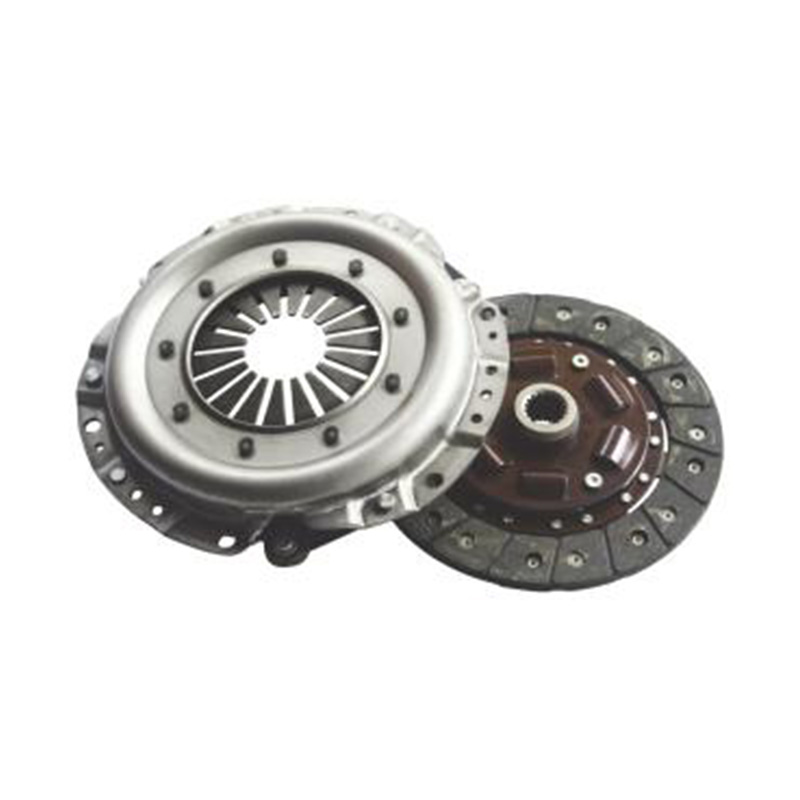
1. Identify Which Party Is Responsible
Responsibility depends on the cause of failure, the applicable warranty, and the contractual relationship between the parties. A premature failure does not automatically prove that the clutch was defective.
- Clutch manufacturer: May be responsible for verified defects in materials or workmanship, subject to the written warranty and applicable law.
- Distributor or retailer: Usually handles the customer's initial complaint and coordinates with the supplier according to the sales agreement and local legal obligations.
- Installation workshop: May be responsible for damage caused by incorrect installation or work that does not meet the applicable requirements.
- Vehicle owner: May need to provide purchase documents, service records, and access to the failed components for inspection.
These responsibilities are not identical in every market. Contract terms and consumer protection laws may determine who must provide the remedy to the customer, even while the parties investigate the technical cause.
2. Distinguish Manufacturing Defects from Installation Problems
Correct diagnosis is essential before approving a replacement or reimbursement. A clutch assembly operates alongside the flywheel, release mechanism, transmission input shaft, and other related components. A problem elsewhere in the system can affect the replacement clutch.
During a warranty investigation, the parties should review several possible causes:
- Material or workmanship defects: Cracked components, abnormal manufacturing defects, or a verified failure that conflicts with the approved specification.
- Installation errors: Incorrect alignment, improper fastening, contamination during assembly, or an incorrectly installed release component.
- Related component issues: Flywheel surface problems, oil leakage, release-system faults, or other mechanical conditions that affect clutch operation.
- Operating conditions: Excessive slipping, overheating, overloading, or driving conditions outside the product's intended application.
Inspection findings should support the conclusion rather than relying on assumptions about driver behavior or product quality. A written technical report can help both the installer and supplier decide whether the claim falls within the agreed warranty coverage.
3. Prepare the Evidence Before Submitting a Claim
Incomplete documentation can delay an investigation, particularly for imported replacement parts or orders involving several product references. Distributors should establish a consistent procedure for collecting information as soon as a complaint is received.
Kaiyue recommends preparing the following records:
- Purchase invoice, supplier details, and the original product reference.
- Vehicle model, engine configuration, mileage, and installation date.
- Workshop invoice and available installation records.
- Clear photographs of the clutch disc, pressure plate, release bearing, and damaged areas.
- A description of the symptoms, including slipping, abnormal noise, vibration, or difficulty disengaging the clutch.
- Inspection findings and any relevant measurements or diagnostic results.
Retain the removed components until the supplier or authorized inspector confirms whether they may be discarded or returned. Some warranty procedures require physical inspection, serial numbers, or date codes before a decision can be made.
4. Clarify What the Warranty Actually Covers
Warranty coverage differs between suppliers, product ranges, and markets. Some policies cover verified defects in materials and workmanship but exclude normal friction-material wear, improper installation, misuse, or damage caused by related components. Coverage for diagnostic labor, clutch removal and refitting, transportation, and consequential expenses may also differ.
Before confirming a claim, distributors should check:
- The warranty period and the event that starts the coverage period.
- The procedure and deadline for notifying the supplier.
- Whether parts, labor, or both may qualify for reimbursement.
- The inspection and authorization requirements.
- The available remedies, such as replacement parts, repair, or credit.
Written terms are particularly important for international orders because local consumer laws and cross-border sales agreements may affect the available remedies. Buyers should avoid promising a specific reimbursement until the applicable terms have been reviewed.
5. Establish a Practical Claim-Handling Process
A documented process helps reduce repeated communication and gives every party a clear understanding of the next step.
- Step 1 — Register the complaint: Record the order reference, product identification, vehicle details, and reported failure.
- Step 2 — Collect evidence: Obtain photographs, workshop records, mileage information, and an initial diagnosis.
- Step 3 — Arrange inspection: Coordinate with the supplier and installer to examine the failed parts and investigate possible causes.
- Step 4 — Confirm the decision: Document whether the claim is accepted, rejected, or requires further testing, together with the reasons.
- Step 5 — Complete corrective action: Arrange the agreed remedy and retain records for future quality reviews.
How Kaiyue Supports Clearer Clutch Warranty Communication
At Kaiyue, we encourage customers to clarify warranty coverage, technical documentation, product identification, and claim procedures before confirming an order. Clear expectations help distributors respond to complaints without making unsupported promises and allow suppliers to investigate reported failures using relevant evidence.
Businesses sourcing replacement clutch assemblies can contact our team with their vehicle applications, part references, purchasing requirements, and quality documentation needs. By establishing responsibilities and inspection procedures in advance, Kaiyue and our customers can build a more structured approach to product quality and after-sales communication.
PREV:When Truck Models Change, What Happens to Clutch Parts Inventory
NEXT:Beyond Unit Price: How to Compare Clutch Assembly Quotes
NEXT:Beyond Unit Price: How to Compare Clutch Assembly Quotes
Interested in cooperation or have questions?
Related products