English
 中文简体
 русский



Industry News
When Truck Models Change, What Happens to Clutch Parts Inventory
Truck manufacturers regularly introduce updated vehicle models, revise engine configurations, and modify transmission systems. These changes create a practical challenge for distributors and commercial vehicle parts wholesalers: existing clutch inventory may no longer match every vehicle entering the market. Parts that previously sold steadily can become slow-moving stock, while newly introduced references create additional purchasing requirements.
At Kaiyue, we understand that inventory decisions involve more than estimating sales volume. Buyers need to track application changes, verify part compatibility, and coordinate purchasing plans with supplier information. Managing a commercial vehicle clutch inventory requires a structured approach that balances existing demand with new vehicle applications.
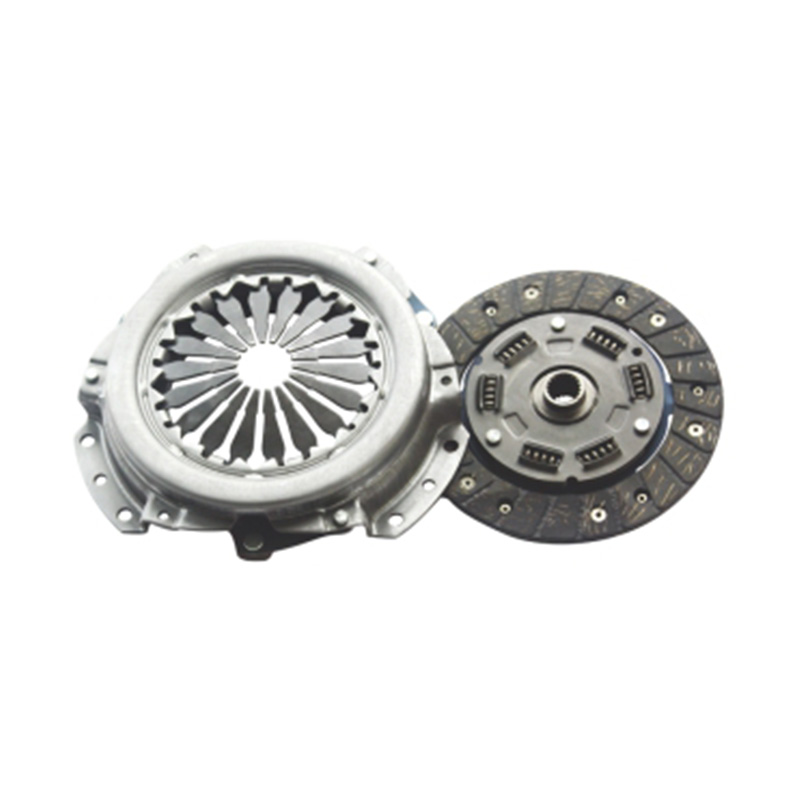
1. Identify Which Vehicle Changes Affect Clutch Compatibility
A new truck model does not automatically require a completely different clutch assembly. Some updated vehicles may retain existing components, while others introduce changes that affect fitment or operating requirements.
Before changing an inventory plan, buyers should review the following details:
- Engine configuration: Changes in engine output or torque requirements may affect the specified clutch application.
- Transmission model: Different gearbox designs can require different clutch interfaces or release mechanisms.
- Clutch dimensions: Disc diameter, spline count, hub profile, and mounting dimensions should match the specified application.
- OE part numbers: Revised references may indicate a replacement, a design change, or a different application. Confirm the relationship before treating two numbers as interchangeable.
Kaiyue recommends checking the vehicle, engine, transmission, and original part reference together. A truck model name alone may not provide enough information to confirm compatibility, particularly across different production years or regional specifications.
2. Divide Existing Stock into Clear Inventory Categories
After identifying model changes, distributors can review their current stock and classify each clutch reference according to its verified application and demand outlook.
- Established applications: Retain inventory for vehicle configurations with continuing demand and confirmed compatibility.
- Transition applications: Monitor references used by both older and newer vehicles, provided the interchangeability has been verified.
- Declining applications: Review purchasing commitments and sales history before replenishing parts associated with vehicles leaving the active fleet.
- New applications: Introduce new references after checking technical specifications and assessing demand from local repair shops and fleet customers.
This classification helps buyers distinguish between stock that remains commercially useful and stock that requires additional review. It also reduces the risk of ordering replacement references before confirming whether existing inventory can still serve the intended customers.
3. Use Sales Data to Estimate Future Demand
Vehicle production changes are only one factor affecting clutch demand. Regional fleet composition, vehicle age, annual mileage, payload, road conditions, and operating patterns can all influence replacement requirements.
Rather than relying exclusively on general market forecasts, buyers can use their own sales and service records to develop a more practical inventory plan.
- Compare monthly sales by part number over several periods.
- Track repeat orders from fleet operators, workshops, and regional distributors.
- Record stockouts, emergency purchases, and customer requests for unfamiliar references.
- Monitor returns caused by incorrect applications or outdated cross-reference information.
- Review how much stock remains unsold after a vehicle configuration changes.
These records help purchasing teams estimate which references deserve replenishment and which should be ordered in smaller quantities. Demand forecasts should be reviewed regularly because fleet replacement patterns and customer requirements can change over time.
4. Confirm Cross-References Before Replacing Old Stock
Cross-reference information can help distributors manage transitions between older and newer truck models. However, a matching description or similar appearance does not establish that two clutch components are interchangeable.
Before approving a replacement reference, request confirmation of:
- Original equipment and aftermarket part numbers.
- Clutch disc diameter, spline dimensions, and hub configuration.
- Pressure plate specifications and release system compatibility, where applicable.
- Vehicle, engine, and transmission combinations covered by the reference.
- Any production-year limitations or technical revisions affecting fitment.
Maintain a record of the source and date of each compatibility confirmation. This makes it easier for warehouse staff and sales teams to distinguish verified replacements from references that still require technical review.
5. Coordinate Purchasing with Suppliers
Suppliers can help buyers review changing application requirements when the purchasing team provides accurate information. Sharing a list of current references, historical demand, and anticipated new applications creates a clearer basis for quotation and inventory discussions.
At Kaiyue, we encourage customers to provide:
- Current clutch part numbers and relevant OE references.
- Vehicle models, engine types, and transmission details.
- Estimated purchasing quantities by reference.
- Required packaging, labeling, and identification information.
- Known application changes or new customer requirements.
This information helps clarify which products need technical verification and which can be considered for routine replenishment. Buyers should also confirm production schedules, shipment arrangements, and any changes to product specifications before placing repeat orders.
6. Plan for Slow-Moving and Obsolete Clutch Inventory
Stock associated with discontinued truck configurations does not necessarily become unusable immediately. Older vehicles may remain in service for years, creating continuing demand for replacement parts. The key question is whether local customers still operate those vehicles and whether the inventory remains suitable for their applications.
Useful actions include:
- Review stock age: Identify references with limited sales movement and compare them with the remaining vehicle population.
- Adjust replenishment: Pause or reduce repeat purchasing for references with declining demand until new evidence supports additional orders.
- Coordinate sales channels: Check whether other branches, distributors, or workshop customers still require verified older applications.
- Protect traceability: Keep part numbers, application records, and packaging labels clear so older stock is not confused with revised products.
Inventory decisions should consider the cost of holding stock alongside the potential cost of losing sales to customers maintaining older fleets. A balanced approach is more useful than automatically clearing every reference associated with a discontinued model.
Build a Flexible Commercial Vehicle Clutch Inventory
Truck model changes can affect part compatibility, demand distribution, and the value of existing inventory. Distributors can manage these changes by verifying technical references, classifying stock by application, tracking sales patterns, and communicating with suppliers before introducing replacement parts.
At Kaiyue, we welcome inquiries from commercial vehicle parts distributors, importers, and wholesalers planning their clutch inventory. Share your part numbers, vehicle applications, and purchasing requirements with our team to discuss product matching and sourcing arrangements. A documented inventory plan helps businesses support older vehicles while preparing for changing demand across newer truck configurations.
PREV:No previous article
NEXT:Who Handles Warranty Claims When a Replacement Clutch Fails Prematurely
NEXT:Who Handles Warranty Claims When a Replacement Clutch Fails Prematurely
Interested in cooperation or have questions?
Related products