Clutch Covers: Materials, Warranties, and Service Life for Heavy-Duty Applications
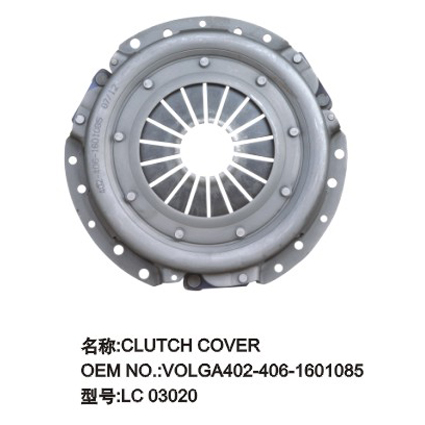
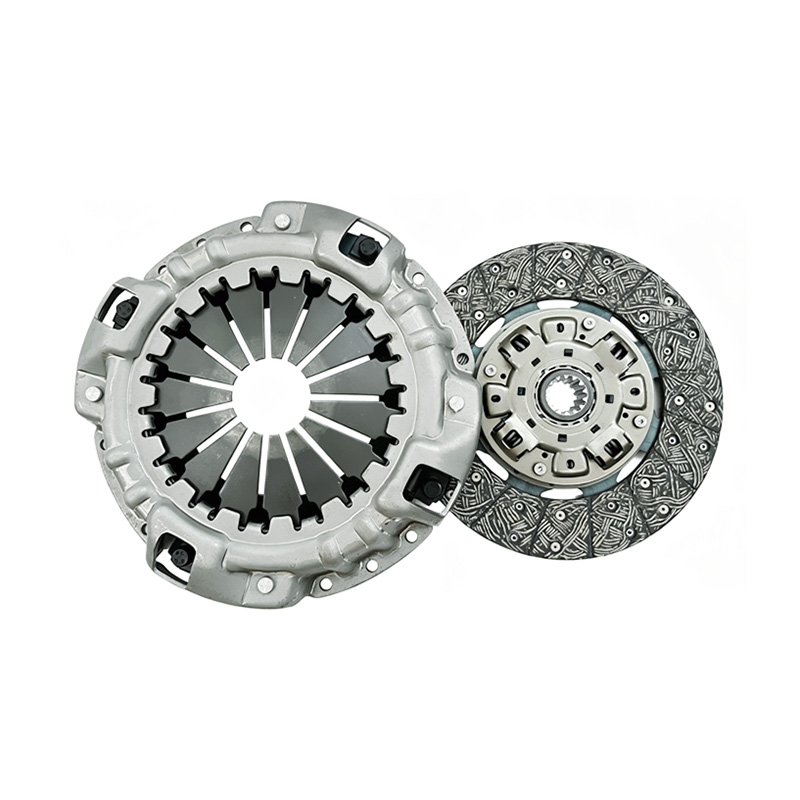
The clutch cover, which people also call the pressure plate assembly is a really important part of your clutch system. It is the part that pushes the friction disc against the flywheel. This helps get the power from the engine to the transmission. If you are in charge of a fleet of vehicles or you own and operate a vehicle or you are a mechanic you need to know what the clutch cover is made of, what kind of warranty it has and how long it will last. This is important because it helps you avoid problems and save money. The clutch cover is a part of the clutch system, and understanding the materials, warranties, and service life of clutch covers is crucial for people who work with heavy-duty vehicles.
The choice of materials determines the cover's strength, heat dissipation, and overall reliability. Most manufacturers use a combination of metals and engineered materials to meet the demands of specific applications.
Cover and Pressure Plate
- Gray cast iron is commonly used for pressure plates because of its excellent heat absorption and dimensional stability. It can handle the repeated thermal cycling of clutch engagement without warping.
- Stamped steel is frequently used for the cover itself, providing a lightweight, rigid structure.
- High-strength alloy steel is specified for heavy-duty applications. These alloys are engineered to resist deformation from extreme clamping forces.
Other Critical Components
- Diaphragm springs are made from high-carbon spring steel for long fatigue life and consistent clamp load.
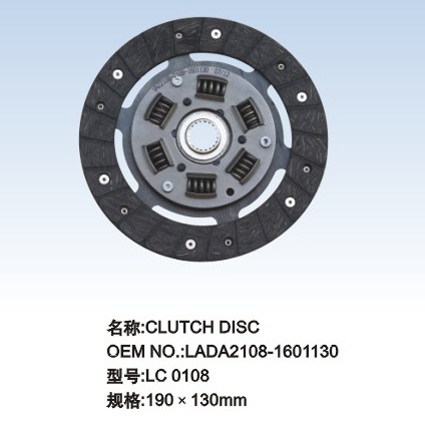
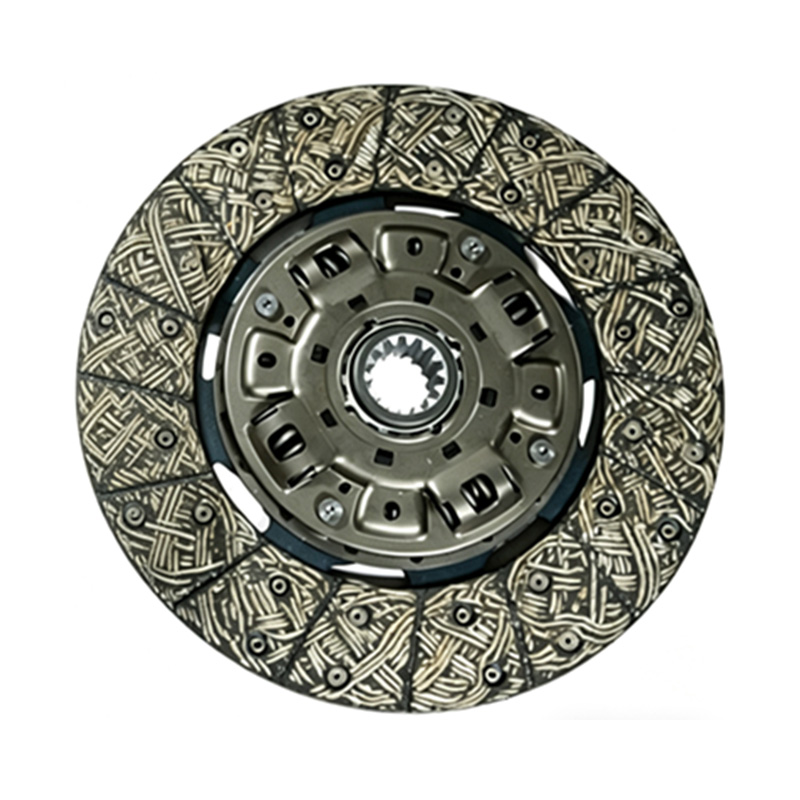
- Friction materials used in the driven disc (not the cover itself, but often sold as a kit) include organic compounds, ceramic blends, and sintered metals, depending on the application.
Many "performance" covers use heat-treated and shot-peened materials to relieve stress and prevent cracking. Some aftermarket covers for competitive use are CNC-machined from billet aluminum to optimize weight and structural integrity.
Warranty coverage is a key indicator of a manufacturer's confidence in its product, and policies vary significantly.
A typical standard warranty for aftermarket truck clutches is 12 months or 30,000 kilometers. However, some brands offer more robust coverage. For instance, one supplier offers an 18-month warranty or up to 100,000 miles for its clutch covers.
Crucially, warranties almost always require that the installation is performed correctly.
- Flywheel must be resurfaced or replaced .
- Bolts must be torqued to the specific OEM spec.
- The release bearing and pilot bearing must be in good condition.
Even with a warranty, labor costs are rarely covered, and shipping may be the customer's responsibility.
What Is the Expected Service Life of a Truck Clutch Cover?
A truck clutch cover can last hundreds of thousands of miles under ideal conditions. However, its service life is always a race against wear.
The million-dollar quote: "The clutch is a wearable item, and its lifespan depends entirely on how it's treated."
The cover itself rarely fails from age; it fails from fatigue and thermal abuse. The most common failure mode is a weakened diaphragm spring that no longer provides enough clamp load. This leads to "slipping" under heavy load.
| Factor |
Impact on Service Life |
| Driving Habits (Heavy-Duty) |
Frequent stop-and-go traffic and heavy hauling require more clutch engagement cycles, accelerating wear. |
| Vehicle Use |
Overloading a truck dramatically reduces clutch life due to increased thermal load. |
| Maintenance & Alignment |
A misaligned clutch or a warped flywheel causes uneven wear. |
| Component Quality |
OEM-grade covers that utilize superior materials and meet OEM specs generally outlast cheap replacements. |
| Break-In Procedure |
Improper break-in (not allowing the friction material to seat) can glaze the flywheel and burn the disc, ultimately overheating the cover and reducing its spring tension. |
For commercial fleets, the goal is to ensure a predictable, long service life by using high-quality parts and performing consistent maintenance. When the cover is worn, it's usually replaced along with the disc.

 English
  中文简体
中文简体  русский