Light Truck Clutches: What's in the Kit How Often to Adjust and Why They Slip
Light trucks are used in different ways—driving to work every day pulling heavy loads working on rough terrain and everything else. The clutch handles all of that and understanding what comes in a replacement kit, how often to make adjustments and why the clutch starts to slip can help you avoid a breakdown on the side of the road or a costly repair.
What Is Included in a Light Truck Clutch Kit?
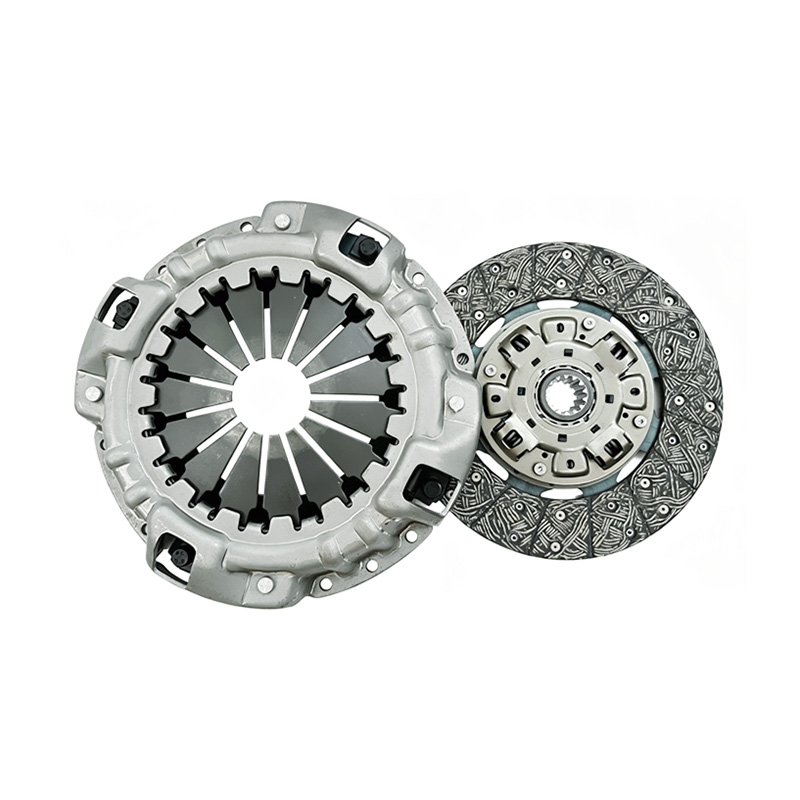
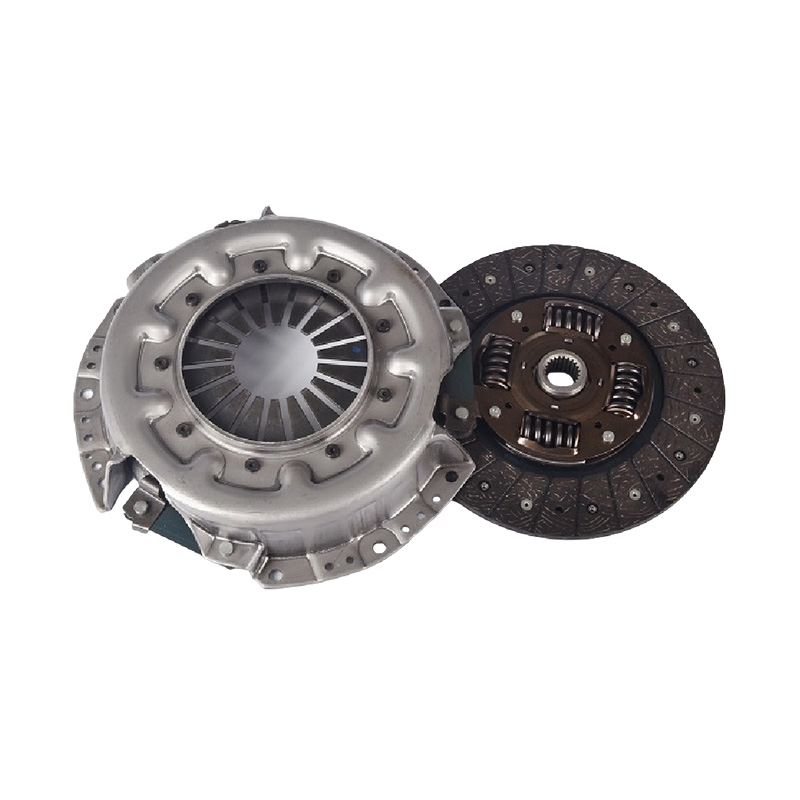
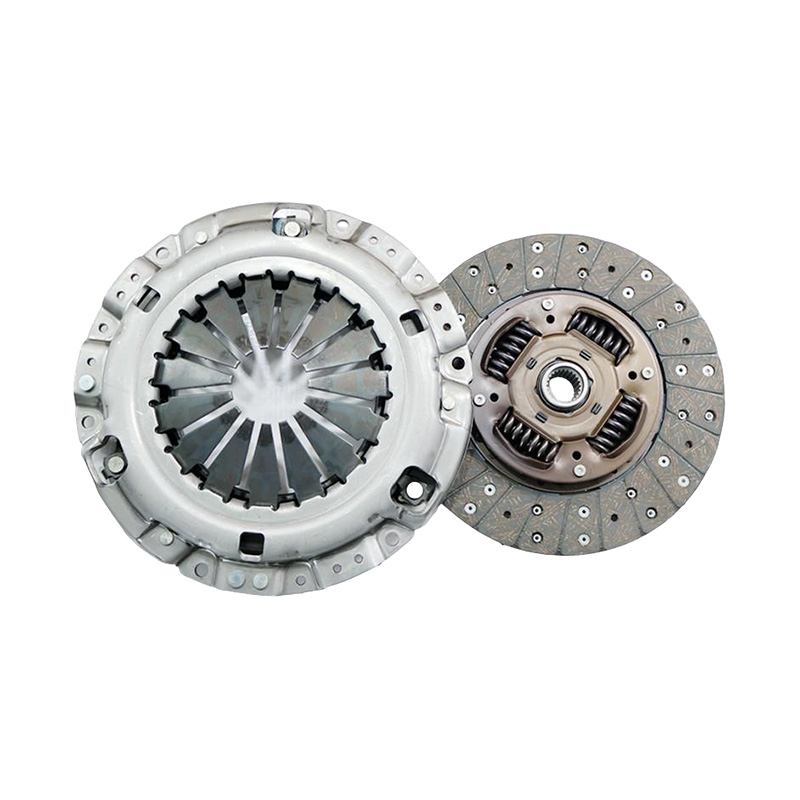
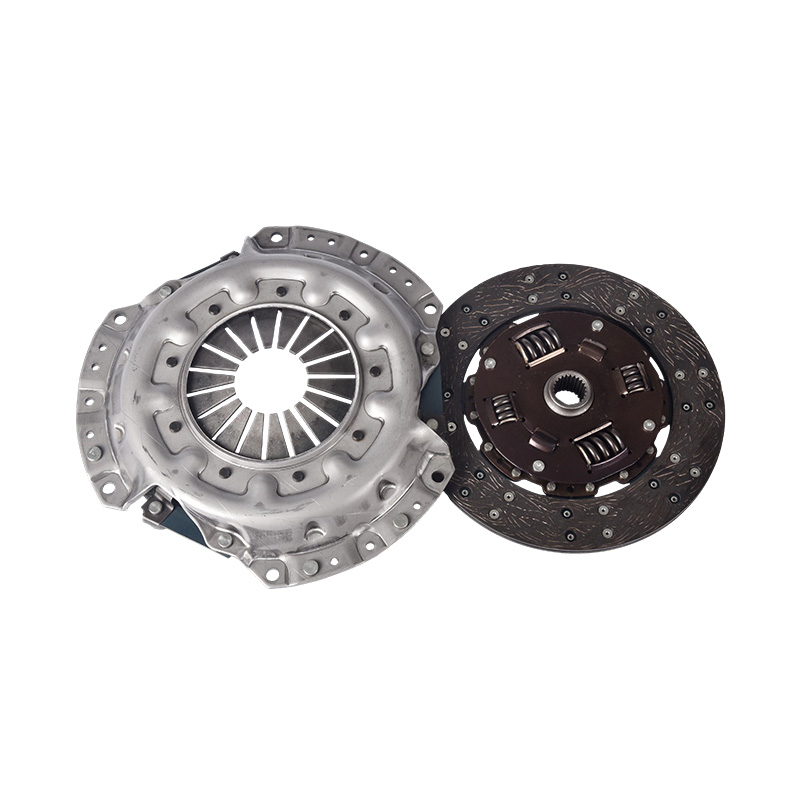
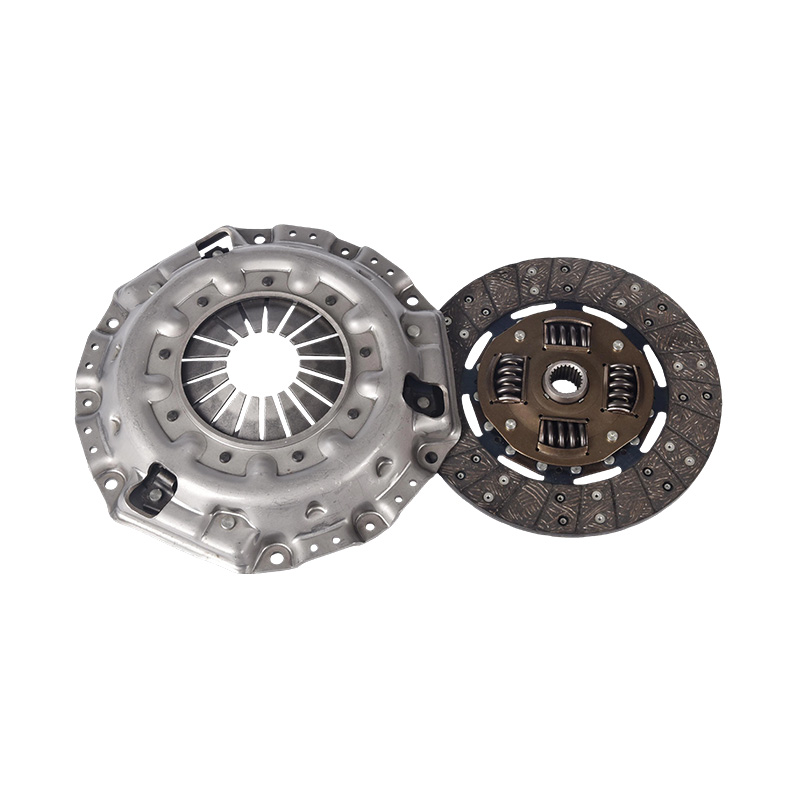
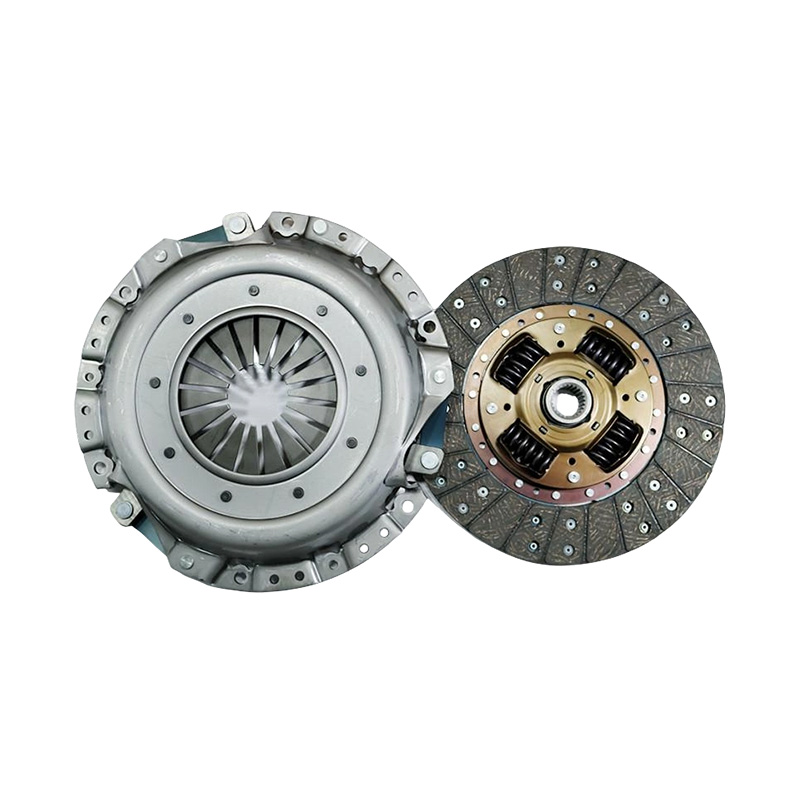
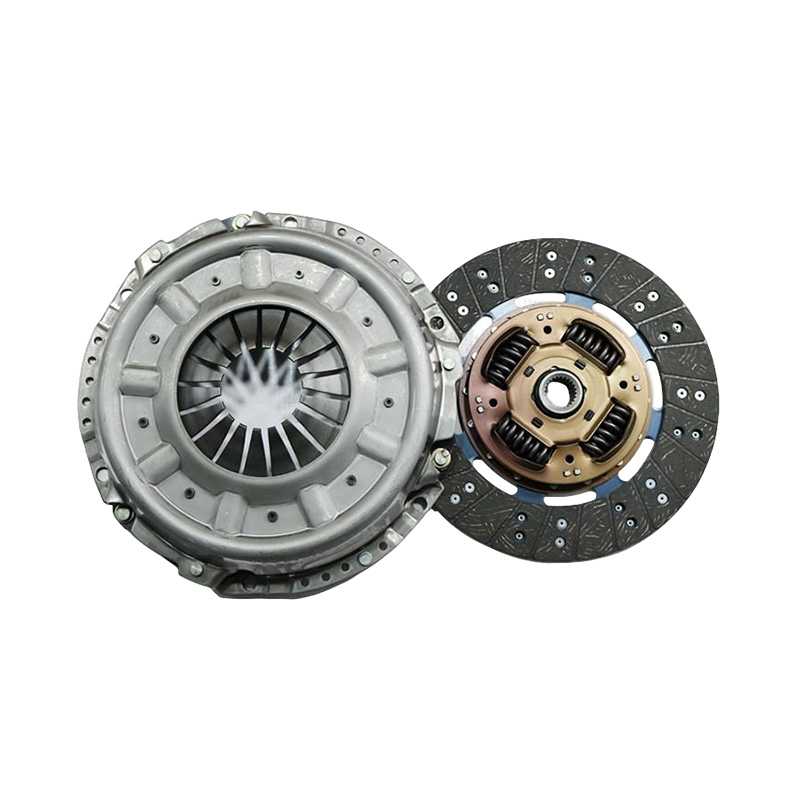
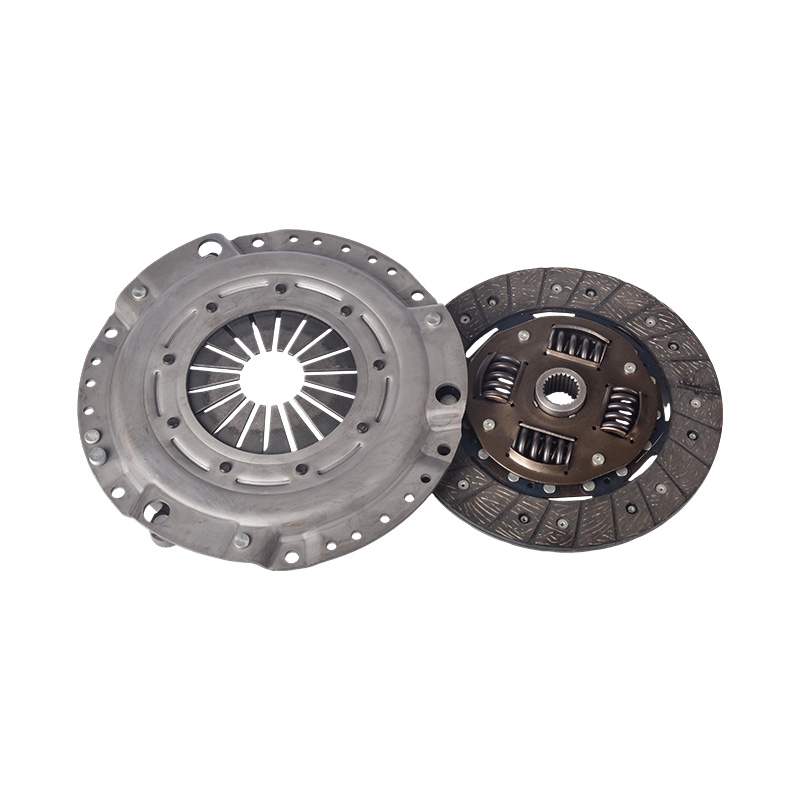
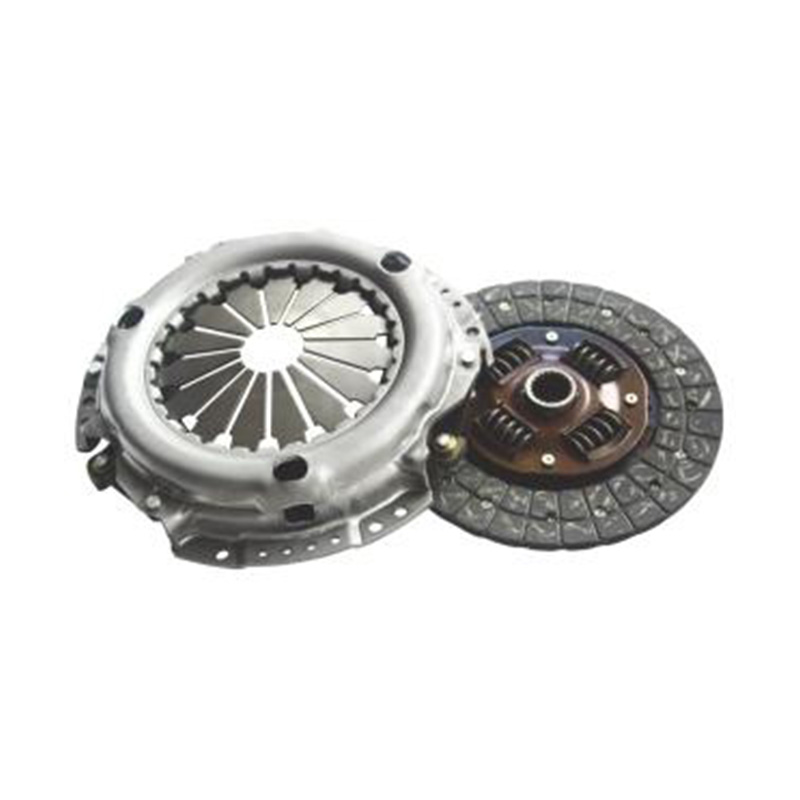
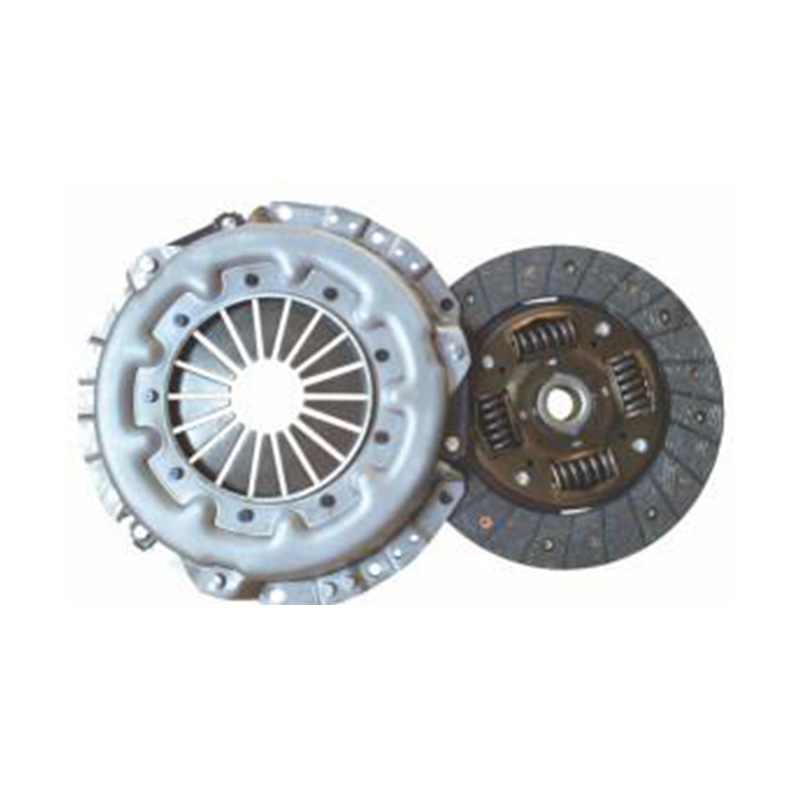
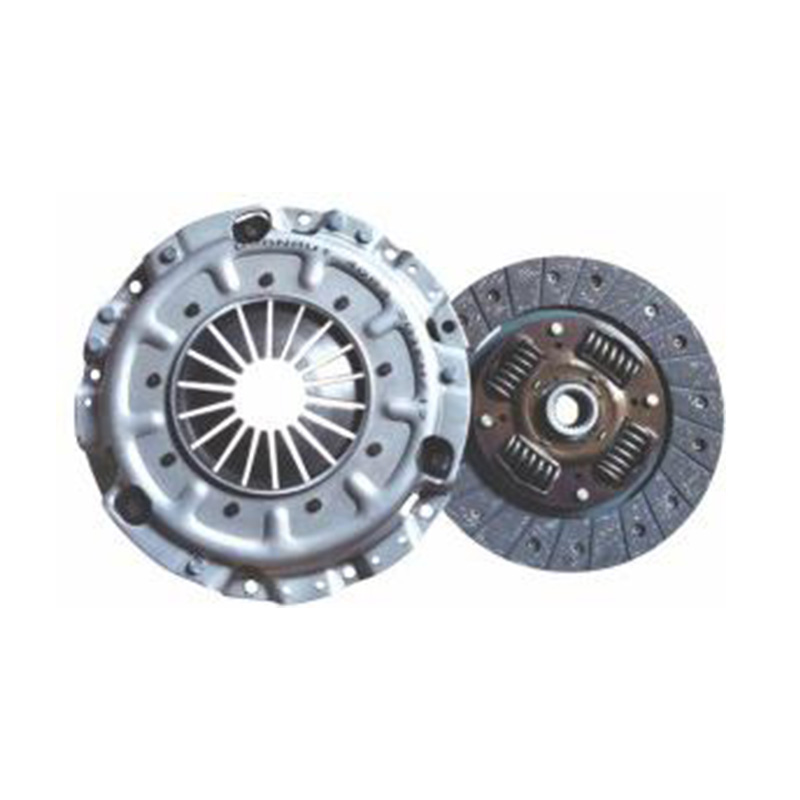
A standard light truck clutch kit contains the core components needed for a complete replacement. While specific contents vary by manufacturer, most kits follow a similar parts list.
Typical Kit Contents:
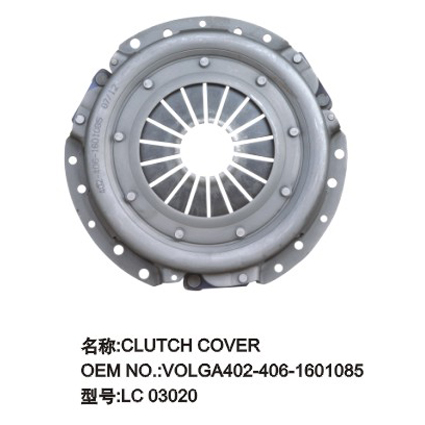
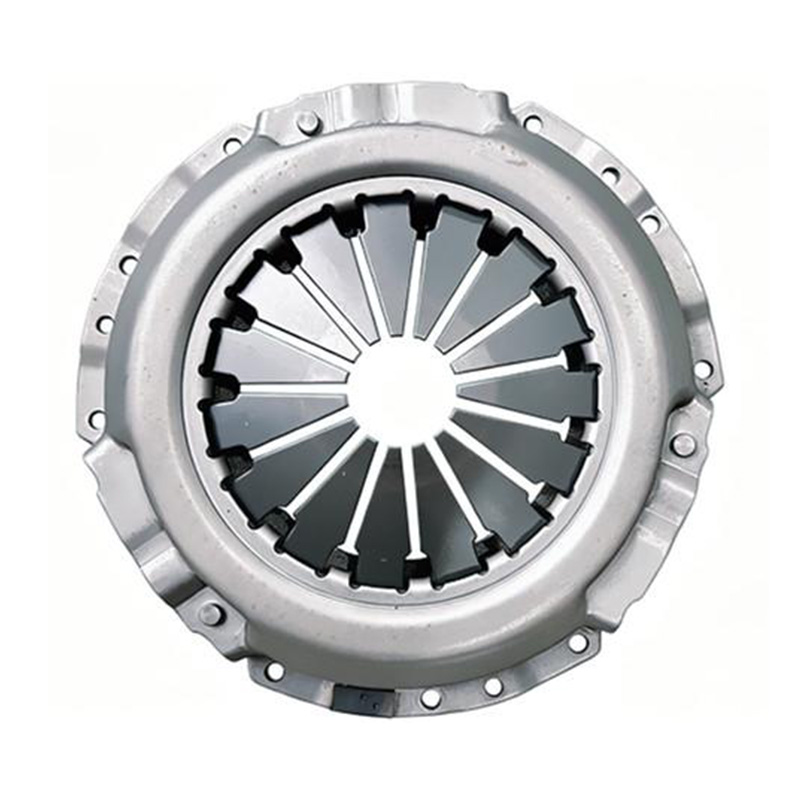
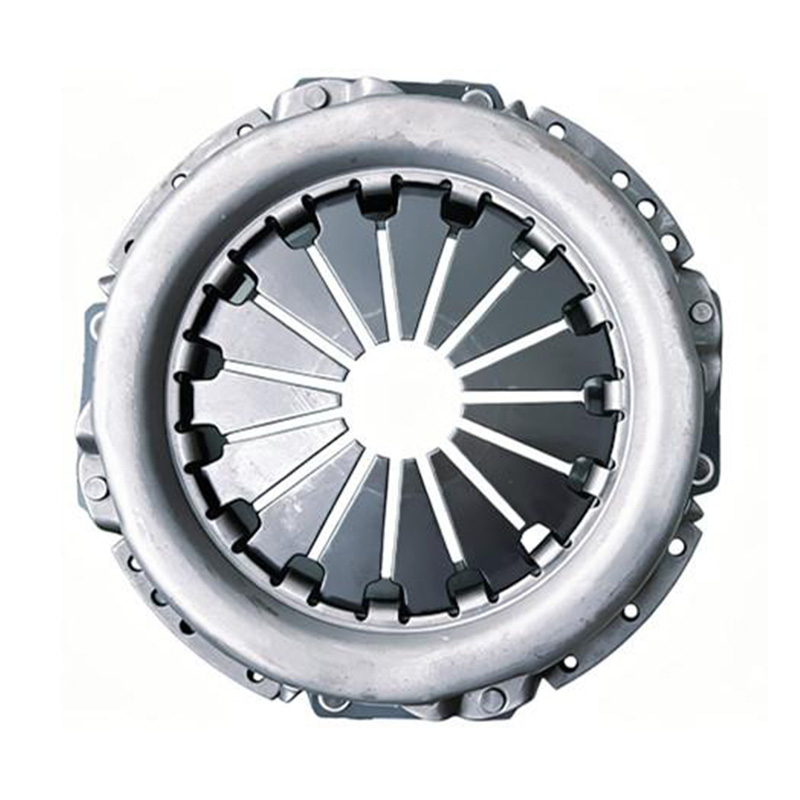
- Pressure plate: Holds the clutch disc against the flywheel. Kits may include diaphragm-style or three-finger pressure plates.
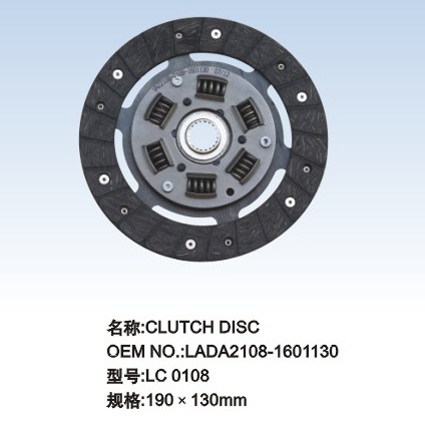
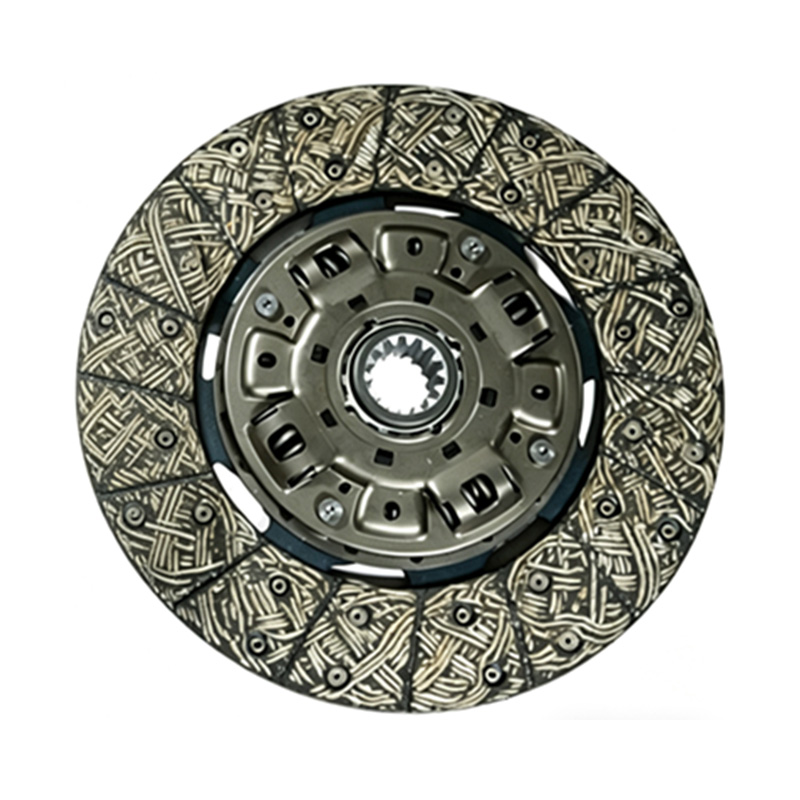
- Friction disc: The driven plate with friction material on both sides, splined to fit the transmission input shaft.
- Release bearing (throwout bearing): Engages the pressure plate fingers when the clutch pedal is depressed.
- Pilot bearing: Supports the transmission input shaft where it enters the flywheel or crankshaft.
- Alignment tool: A plastic or metal splined tool that centers the disc during installation.
Some kits are designed for specific applications, such as performance-oriented setups with higher torque capacity for towing or off-road use.
Adjustment frequency depends on whether the clutch uses a mechanical linkage or a hydraulic system and whether it's a self-adjusting design.
For manually adjusted clutches, the rule of thumb is to check free pedal travel regularly. Free play should typically be about one to one and a half inches at the pedal before resistance is felt. Adjustments are needed when that free play is reduced to about half of its initial setting—for example, from three inches to 1.5 inches.
Practical adjustment intervals reported by experienced operators range from every three months to quarterly checks as part of regular maintenance. However, the actual need depends on driving conditions and wear rates. Fleet maintenance professionals note that a clutch facing lasting 200,000 miles in linehaul service may only last 50,000 miles in severe-duty applications.
Hydraulic clutch systems present a different challenge. These actuators can mask changes in free play, making traditional "tape measure" checks less reliable . For these systems, self-adjusting clutches are often recommended.
Key warning signs that adjustment or service is needed:
- Difficulty shifting into first or reverse from a stop
- Grinding between gears
- The clutch not fully disengaging (the vehicle creeps with the pedal fully depressed)
- Reduced or excessive free pedal travel
Clutch slippage occurs when the disc fails to maintain firm contact with the flywheel under load. The engine RPMs rise without corresponding vehicle acceleration. Several factors contribute.
Worn friction material is the most common cause. As the disc wears, the pressure plate can no longer apply sufficient clamping force. This is normal wear, accelerated by stop-and-go traffic, heavy loads, and aggressive driving.
Incorrect clutch adjustment can also cause slippage. If the clutch is adjusted too tight—meaning the release bearing is pressing on the pressure plate fingers even with the pedal released—the disc never fully engages. This creates constant partial disengagement and rapid wear.
Hydraulic system issues can be a hidden culprit. A failing master or slave cylinder may not fully release pressure, preventing full clutch engagement. Even with proper fluid levels, internal leakage can mimic slippage symptoms.
Driver habits play a significant role. Riding the clutch pedal (resting a foot on it while driving) keeps the release bearing engaged and can cause the disc to slip, generating heat that damages friction surfaces.
Contamination from oil or grease leaks (rear main seal, transmission input shaft seal) reduces friction between the disc and flywheel, causing the clutch to slip under load.
| Cause |
Mechanism |
Common Fix |
| Worn friction disc |
Facing material worn below spec |
Replace clutch kit |
| Incorrect adjustment |
Release bearing preloaded against pressure plate |
Readjust free play |
| Hydraulic system fault |
Master/slave cylinder not releasing fully |
Flush fluid, rebuild or replace cylinder |
| Riding the pedal |
Constant light pressure on release bearing |
Change driving habit |
| Oil contamination |
Flywheel and disc surfaces glazed |
Identify and fix leak, replace disc |

 English
  中文简体
中文简体  русский