English
 中文简体
 русский



Industry News
Beyond Unit Price: How to Compare Clutch Assembly Quotes
Comparing clutch assembly quotations requires more than placing unit prices side by side. Two suppliers may quote different prices for assemblies that appear similar, yet their offers may differ in component specifications, inspection procedures, packaging, warranty coverage, and technical support. These differences affect the actual cost of purchasing and reselling automotive parts.
At Kaiyue, we understand that distributors, importers, and automotive parts wholesalers need clear quotation details before committing to an order. As a clutch assembly manufacturer, we recommend evaluating every quotation against the same technical and commercial requirements. This approach helps buyers identify hidden costs, clarify supply responsibilities, and establish a more reliable basis for long-term cooperation.
1. Confirm That Every Quotation Covers the Same Assembly
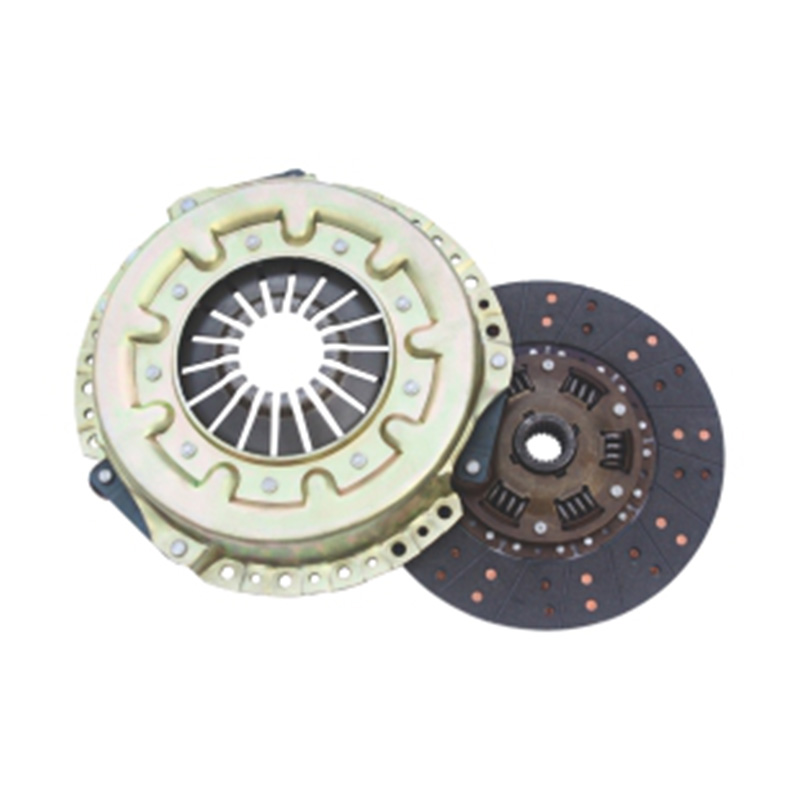
A price comparison is meaningful only when suppliers quote equivalent products. Differences in assembly contents or vehicle compatibility can explain a significant price gap.
Before reviewing the price, confirm these details:
- Application and part number: Check the vehicle model, engine configuration, transmission application, and relevant OE reference.
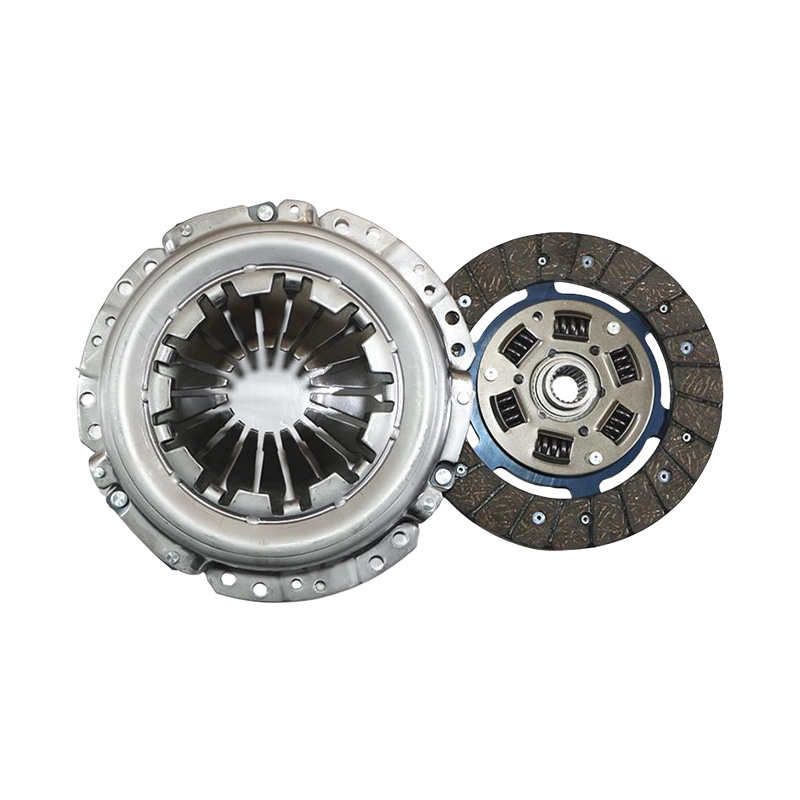
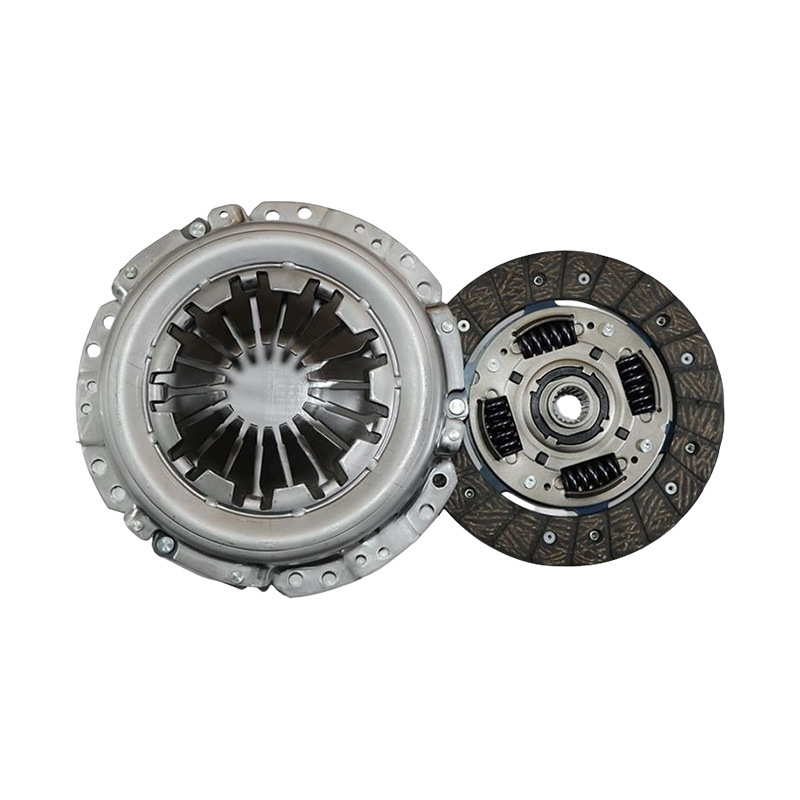
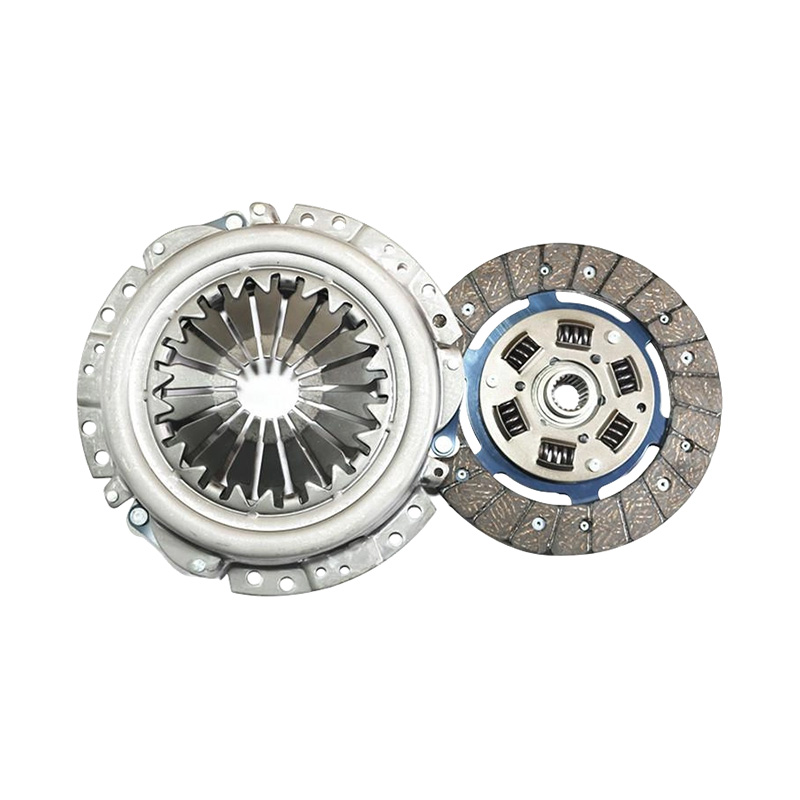
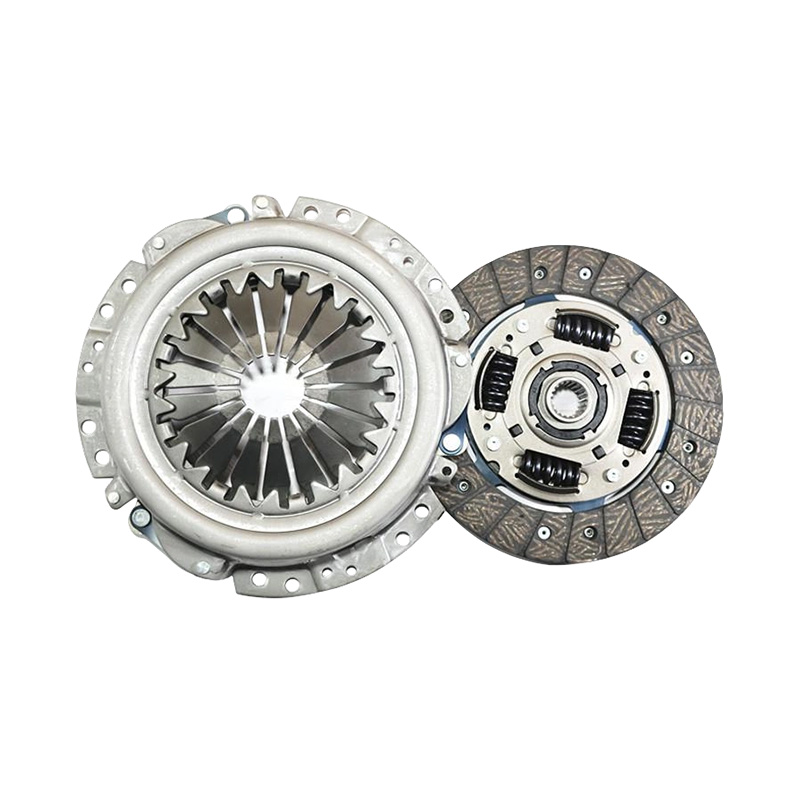
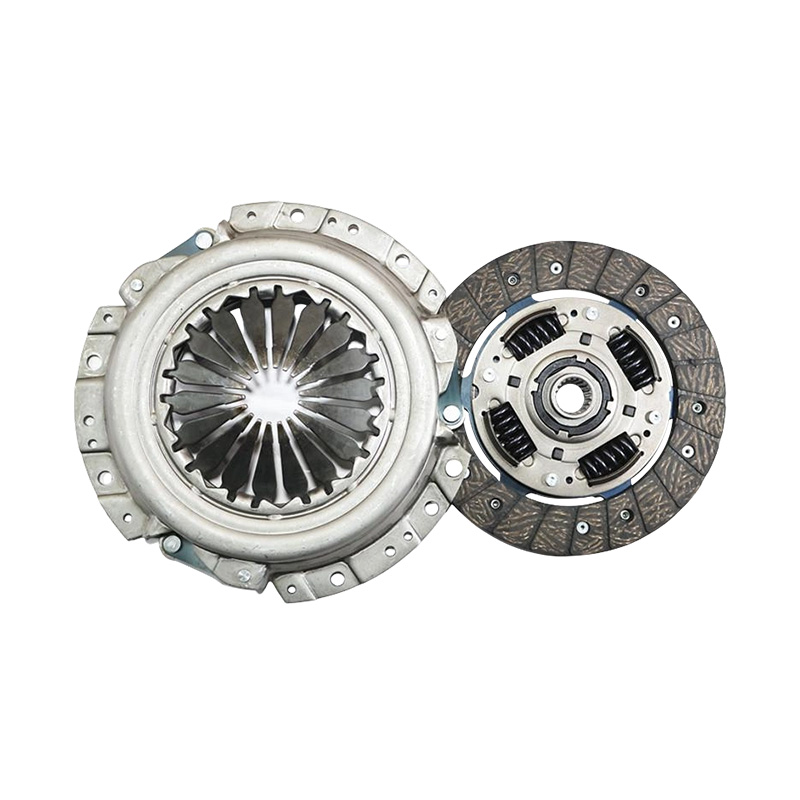
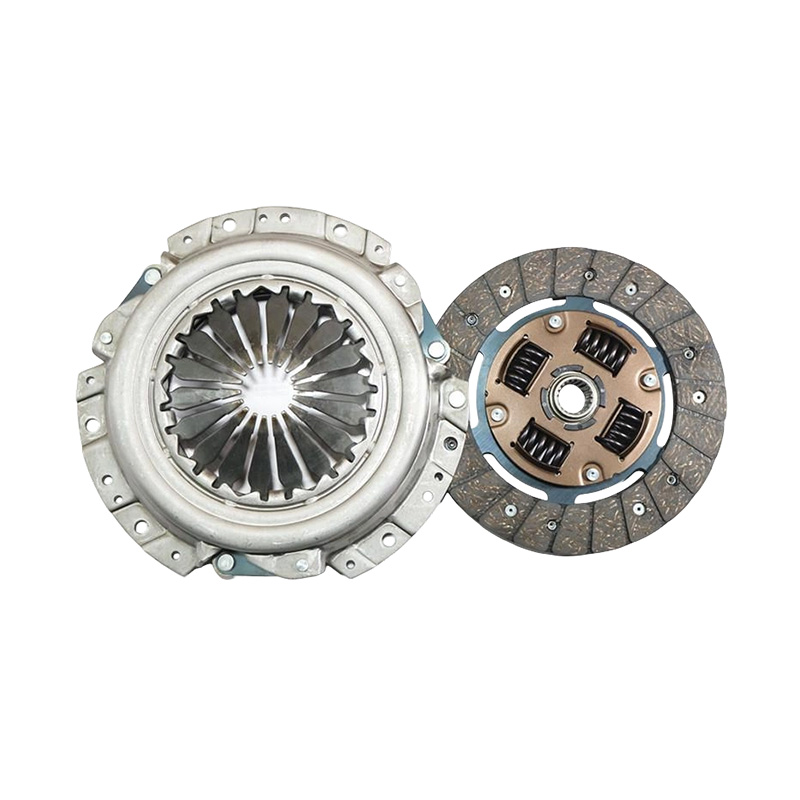
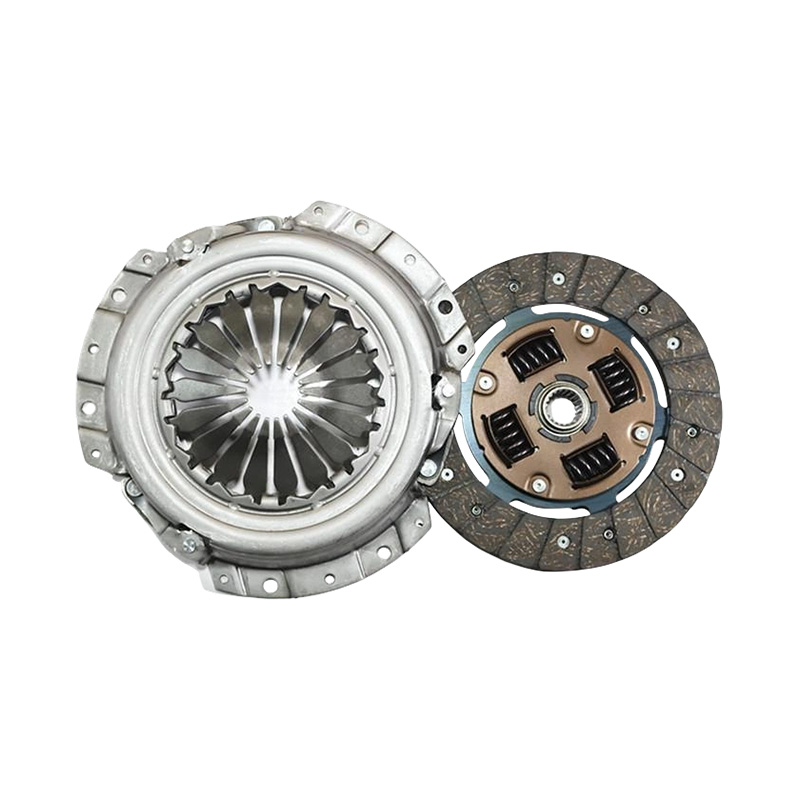
- Assembly contents: Confirm whether the quotation covers the clutch cover assembly, clutch disc, release bearing, and any additional components specified in the order.
- Technical specifications: Compare disc diameter, spline configuration, cover dimensions, and other application-specific requirements.
- Product condition: Clarify whether the offered parts are new components and identify any special requirements for customized assemblies.
For example, a quotation covering a clutch cover and disc should not be compared directly with a complete kit that also includes a release bearing. Establishing the exact scope prevents incomplete offers from appearing less expensive than they actually are.
2. Break Down the Total Procurement Cost
The quoted unit price is only one part of the purchasing calculation. Tooling, samples, packaging, inspection, transportation, and import-related expenses may change the final cost.
Kaiyue recommends asking suppliers to identify the following charges separately:
- Product price: Confirm the currency, quantity bracket, and applicable product specification.
- Tooling and development: Identify any charges for customized designs, fixtures, or special production requirements.
- Sample and testing fees: Clarify whether sample production and additional validation activities are included.
- Packaging: Check carton specifications, private-label printing, product labels, and pallet requirements.
- Shipping and import costs: Compare quotations using the same agreed Incoterm and account for freight, insurance, duties, and other applicable charges.
Buyers can calculate an estimated landed cost by adding the relevant purchasing, preparation, transportation, and import expenses. Using the same calculation method for every supplier creates a fairer comparison and supports more informed budget planning.
3. Evaluate Quality Evidence Alongside Price
Clutch assemblies contain components that must work together within defined mechanical and dimensional requirements. Differences in materials, assembly consistency, and inspection controls may affect product performance and customer satisfaction.
Rather than relying exclusively on general quality claims, purchasing teams should request evidence relevant to the application.
- Inspection reports: Review critical dimensions and confirm that measured results meet the approved specifications.
- Functional test records: Ask about applicable clamping-force, release-performance, or other assembly-specific tests.
- Batch identification: Check how production lots are identified and how inspection records can be retrieved.
- Sample approval: Establish whether the production specification and sample results will be documented before repeat orders.
Certification can provide useful information about a supplier's quality management system, but it does not replace product-level verification. Buyers should assess the evidence available for the actual clutch assembly being quoted.
4. Compare Warranty Terms and Claim Procedures
Warranty conditions can significantly affect the commercial value of an order. A lower-priced assembly may create additional expenses if the buyer has limited recourse for defective products or unclear procedures for resolving claims.
Ask every supplier to clarify:
- The warranty period and the date from which coverage begins.
- The evidence required to submit a quality claim, such as photographs, batch codes, inspection records, or returned samples.
- The process for investigating reported defects and identifying possible causes.
- Responsibility for replacement parts, return transportation, and other agreed claim-related expenses.
- The expected communication process for corrective actions and claim resolution.
Warranty coverage should be reviewed in writing rather than inferred from a supplier's general assurances. Clear terms help both parties understand their responsibilities before a dispute occurs.
5. Assess Production Planning and Communication
Commercial buyers need quotations that support inventory planning and customer commitments. A useful offer should distinguish sample preparation, production scheduling, inspection, packaging, and shipment arrangements.
At Kaiyue, we encourage buyers to clarify expected order volumes, delivery destinations, packaging preferences, and required documentation during quotation discussions. These details help establish a practical scope for the proposed order.
Purchasing teams should also evaluate how suppliers handle technical questions, specification changes, and unexpected production issues. Clear responses and documented updates make it easier to coordinate repeat orders across multiple part numbers.
Clutch Assembly Quote Comparison Checklist
Use this checklist to review competing offers before confirming a purchase:
- Confirm the same part numbers, vehicle applications, and assembly contents.
- Compare specifications and required inspection procedures.
- Separate unit prices from tooling, samples, packaging, and testing charges.
- Calculate costs using consistent shipping terms and destination assumptions.
- Review warranty coverage and quality-claim responsibilities.
- Verify production schedules, order conditions, and quotation validity.
- Check batch traceability, technical communication, and repeat-order arrangements.
Work with Kaiyue on Your Clutch Assembly Requirements
A well-prepared quotation gives buyers more than a price. It explains what will be supplied, how the assembly will be evaluated, which expenses are included, and how quality concerns will be handled.
At Kaiyue, we welcome inquiries from distributors, importers, and automotive parts businesses seeking clutch assembly solutions. Share your part numbers, vehicle applications, technical specifications, estimated purchasing volume, and packaging requirements with our team. We can review the information and clarify the details needed to prepare a project-specific quotation.
By comparing technical scope, total procurement cost, quality evidence, and commercial terms together, buyers can make purchasing decisions based on documented value rather than the unit price alone.
Interested in cooperation or have questions?
Related products