English
 中文简体
 русский



Industry News
OEM Clutch Pressure Plate Orders: What Belongs in a Validation Plan
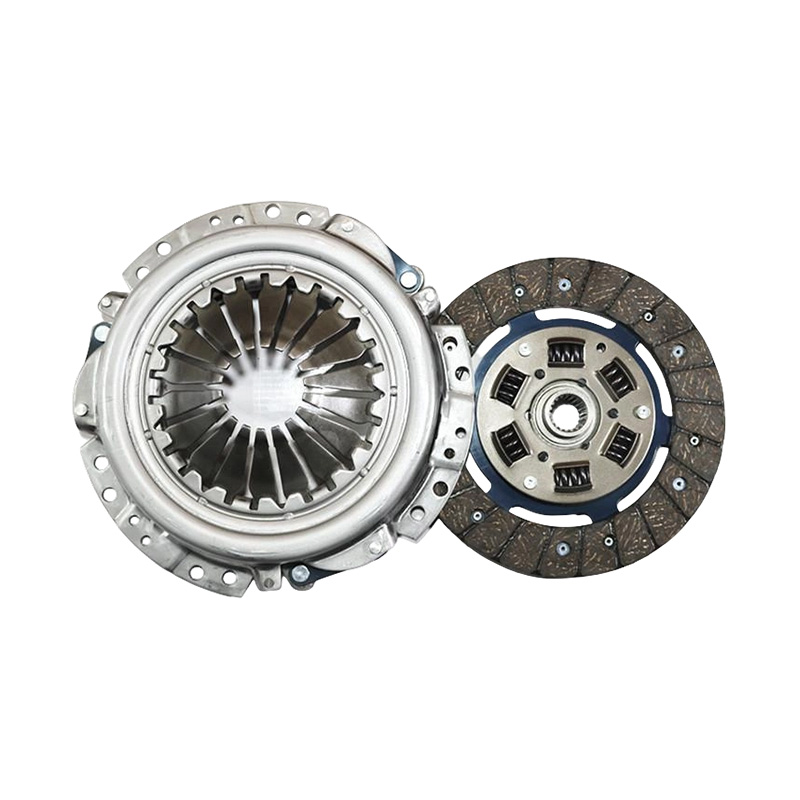
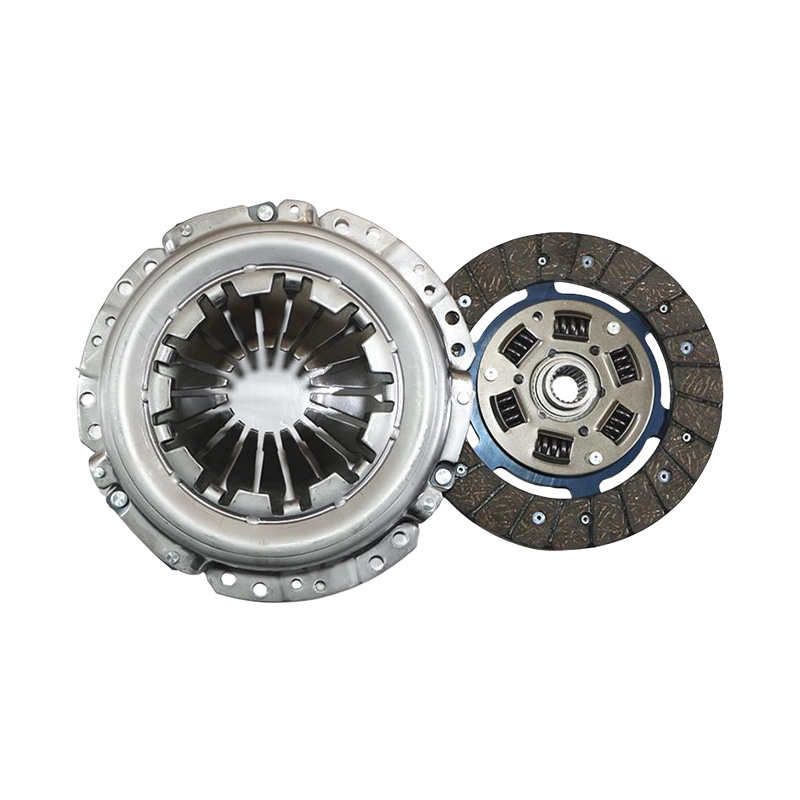
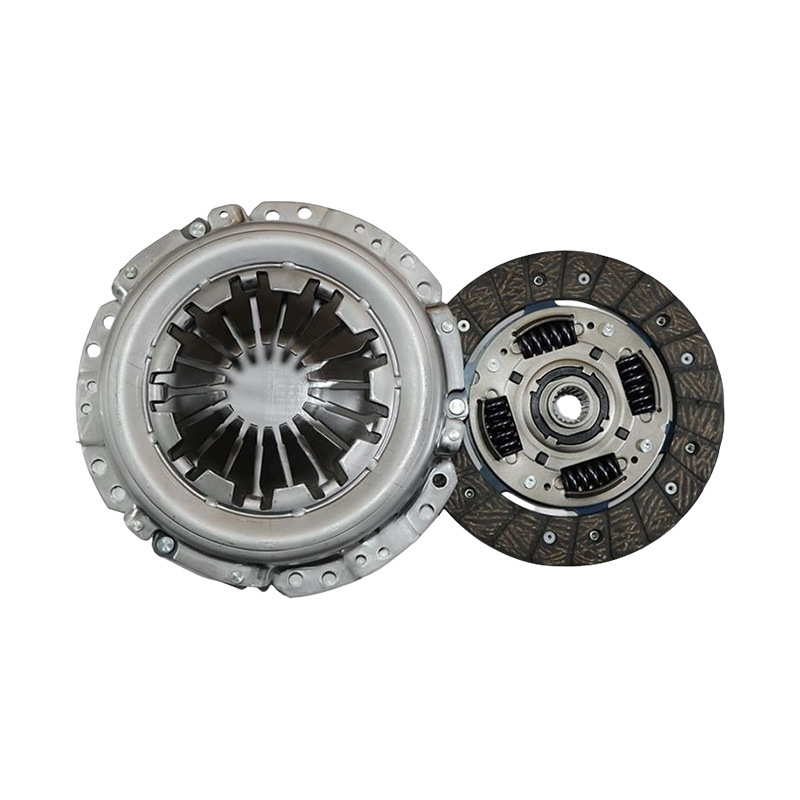
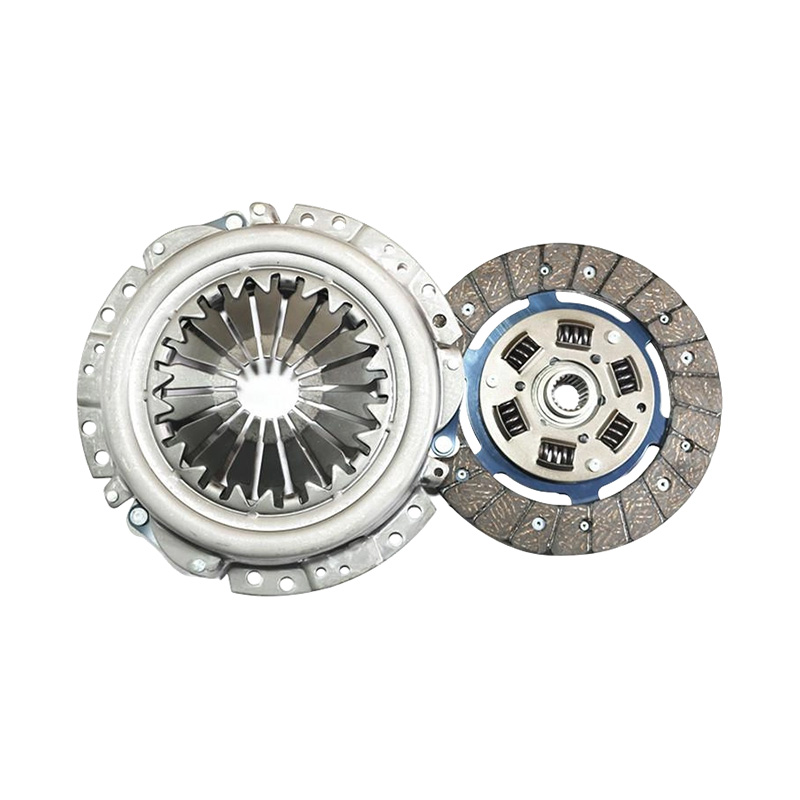
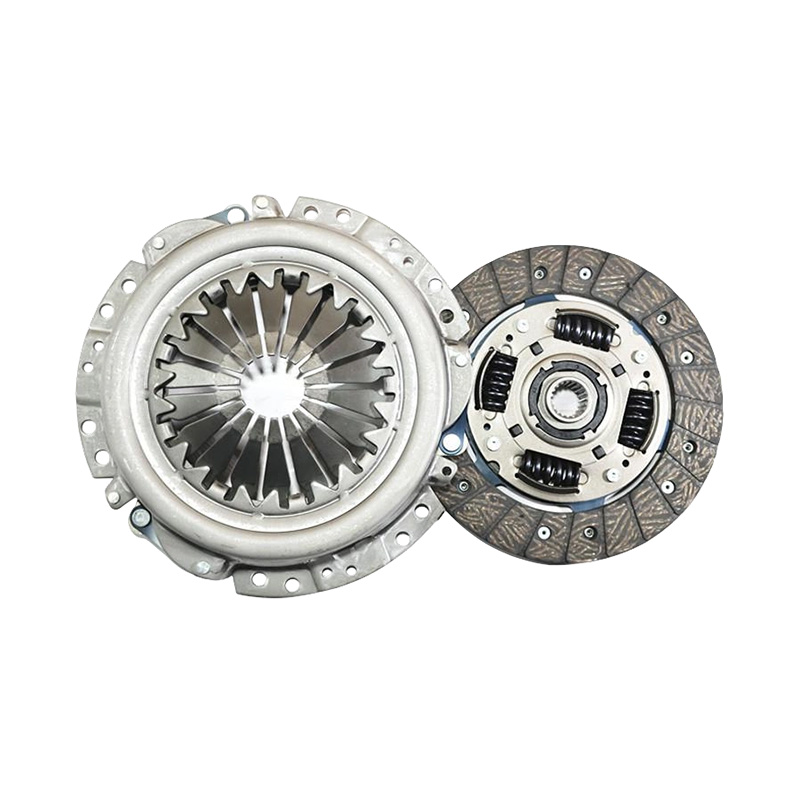
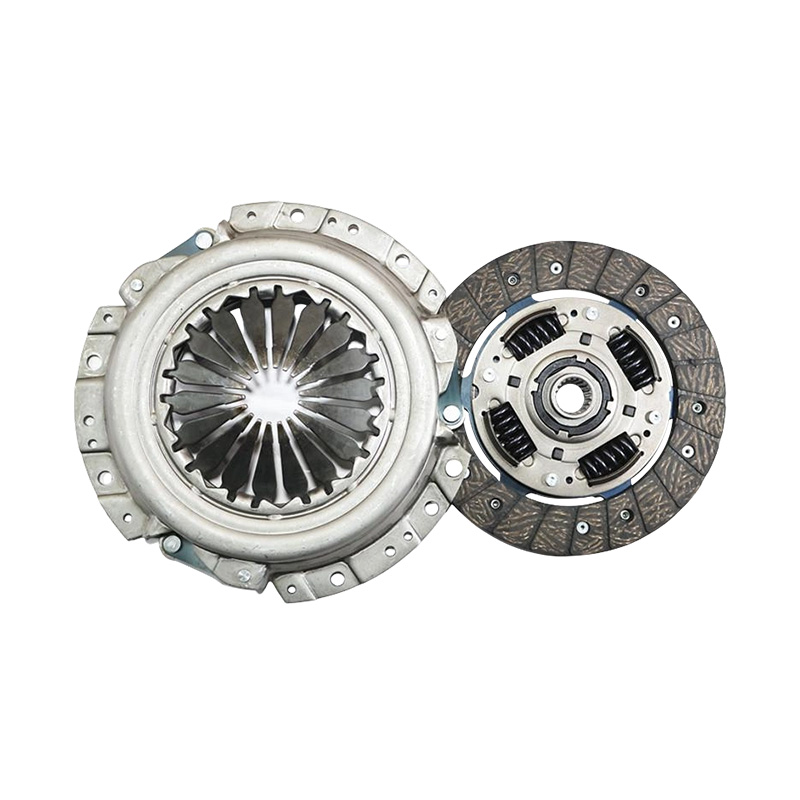
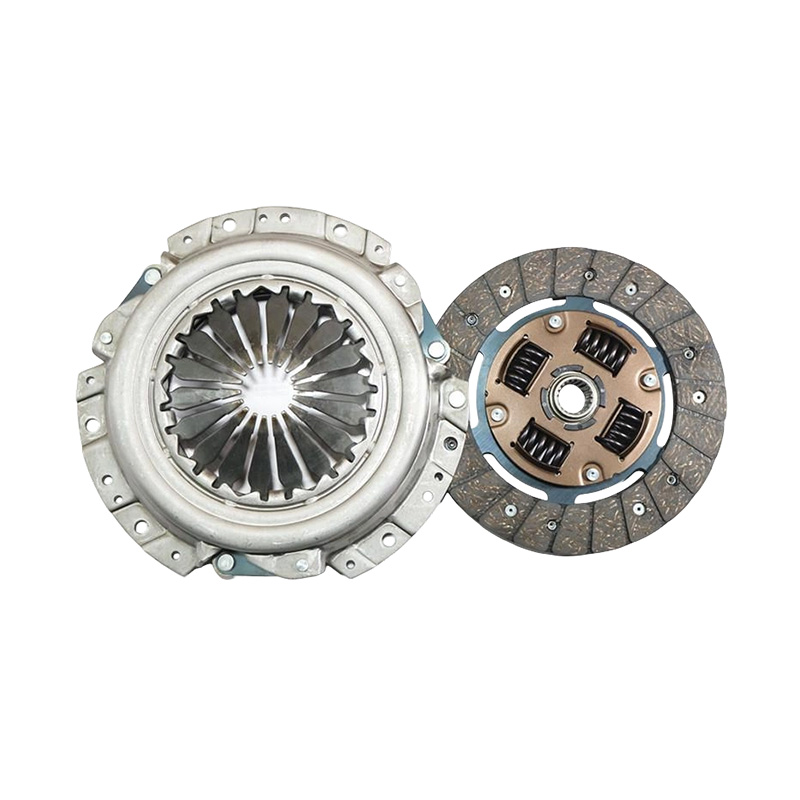
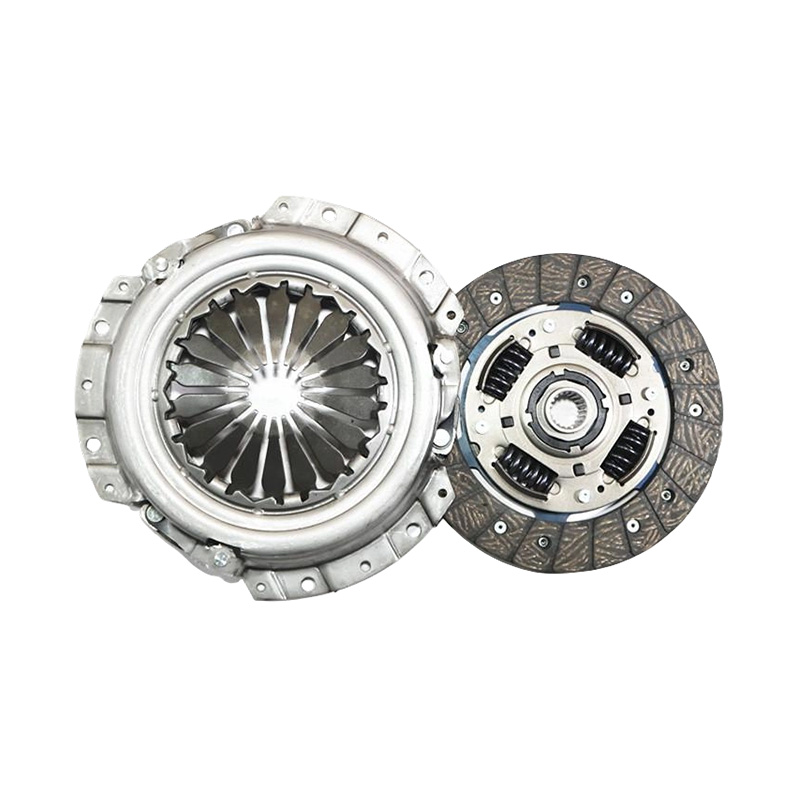
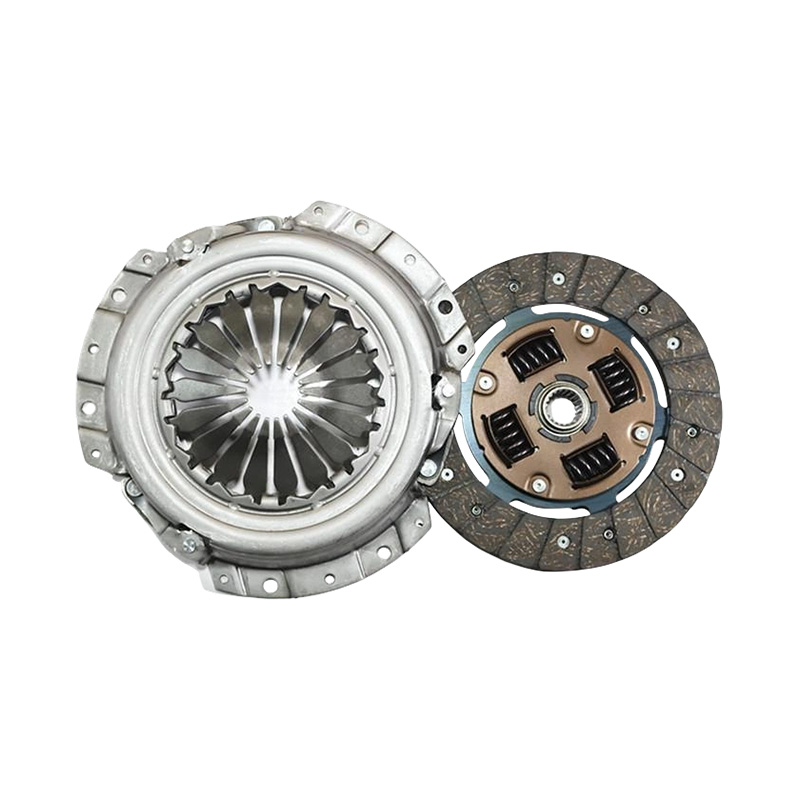
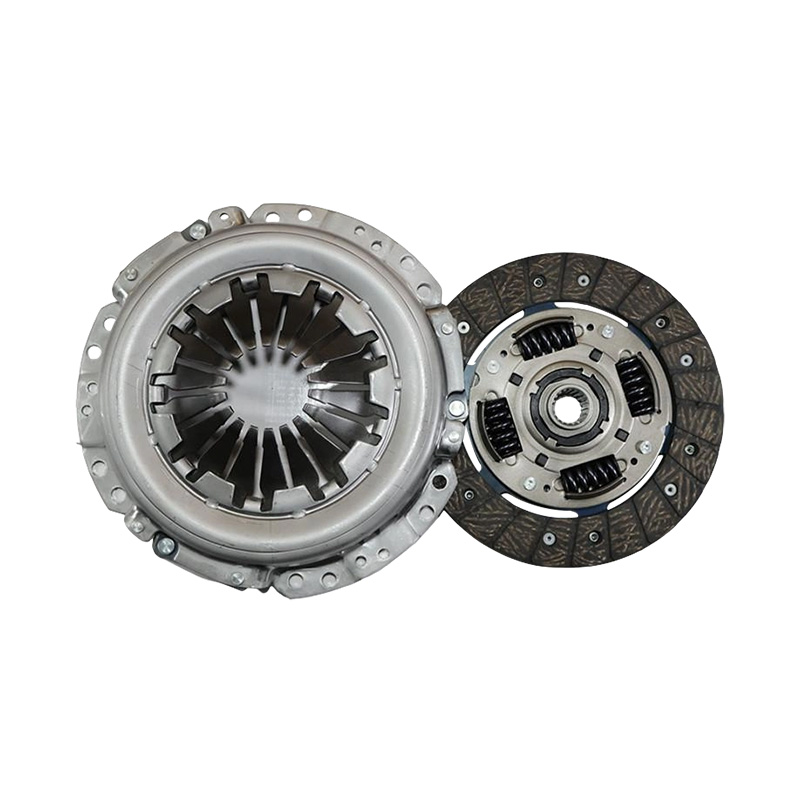
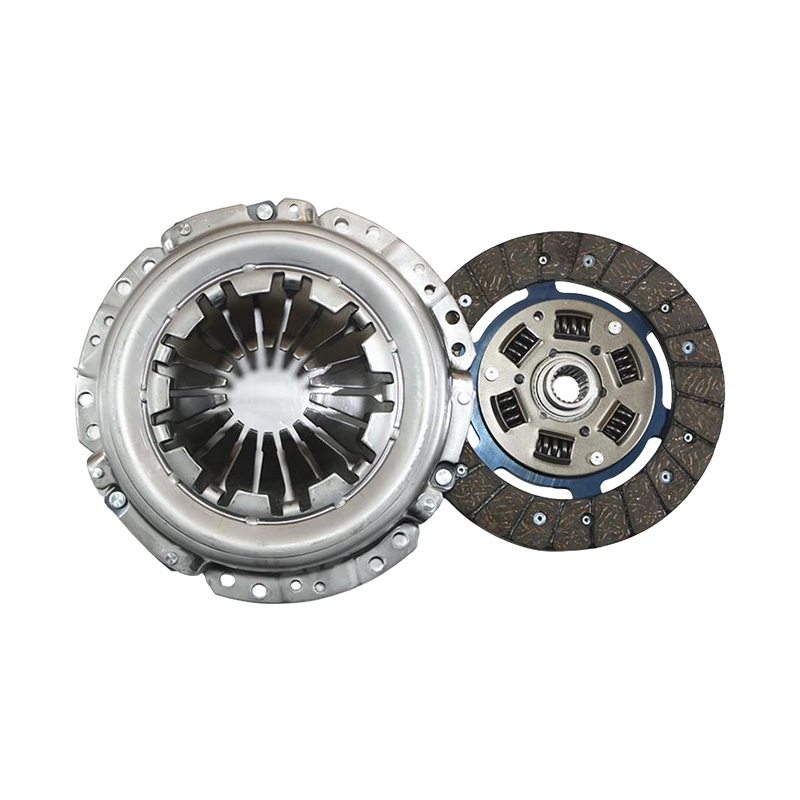
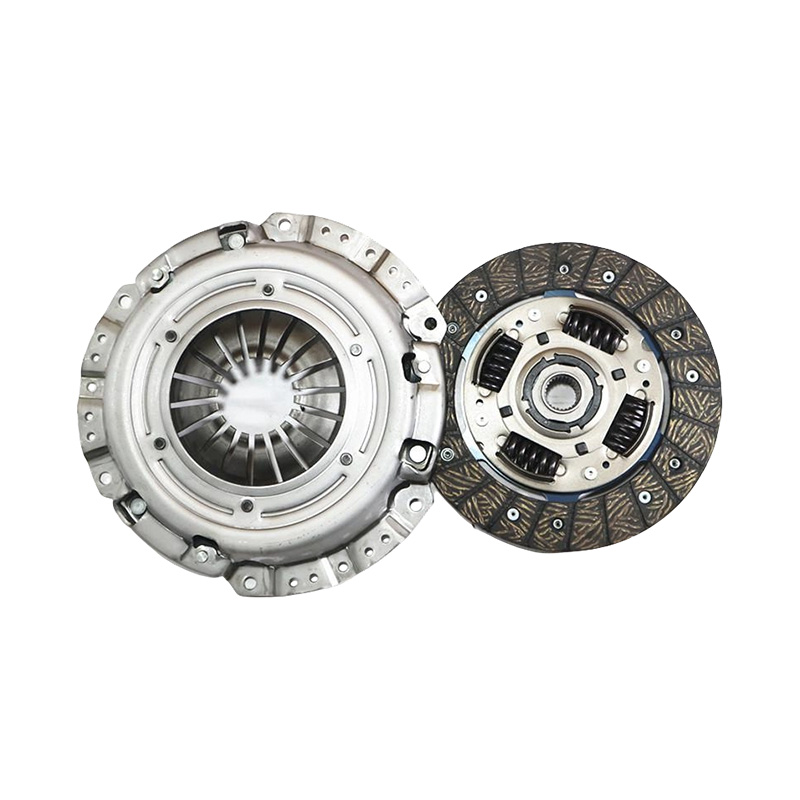
Approving a clutch pressure plate for an OEM programme requires more than checking its appearance or confirming that a sample fits the intended vehicle. Buyers need evidence that the component meets the agreed drawings, performs consistently under operating loads, and remains within specification throughout production. A gap between sample approval and mass production can create installation problems, warranty claims, and unexpected costs for distributors and automotive businesses.
At Kaiyue, we understand that customers need clear technical requirements before moving from quotation to production. Our approach to clutch manufacturing focuses on confirming application details, reviewing component specifications, establishing inspection criteria, and clarifying how changes will be controlled. A structured oem clutch pressure plate validation plan gives purchasing teams and technical departments a shared basis for evaluating samples and approving orders.
The following sections explain the information buyers should prepare, the tests worth discussing with their supplier, and the records that help maintain consistency after approval.
1. Establish the Application and Technical Requirements
Every validation plan should begin with a clearly defined application. Similar-looking pressure plates can have different mounting arrangements, operating heights, clamping characteristics, and release requirements. A supplier cannot confirm suitability from a product photograph alone.
Kaiyue recommends documenting the following information before requesting samples or approving production drawings:
- Vehicle application: Specify the vehicle model, engine configuration, transmission type, production year range, and relevant OE reference number.
- Dimensional requirements: Provide the pressure plate outside diameter, mounting-hole positions, dowel locations, installed height, and diaphragm spring finger height.
- Performance requirements: Define the target clamping force, release load, operating travel, and torque capacity according to the application specification.
- Operating conditions: Explain the expected engine torque, vehicle load, engagement frequency, temperature exposure, and intended service conditions.
- Documentation requirements: Identify the drawing revision, inspection report format, material records, and approval documents required by the customer.
These details help us identify which characteristics require closer attention during sampling and production. They also reduce the risk of different teams working from conflicting drawings, catalogue descriptions, or outdated reference samples.
2. Review Critical Dimensions Before Functional Testing
Dimensional inspection establishes whether the pressure plate can be assembled correctly and maintain the intended relationship with the flywheel, clutch disc, and release mechanism. A component may look acceptable but still fail during installation because of an incorrect mounting pattern or an inconsistent assembled height.
Our recommended dimensional review covers several areas:
Mounting Geometry and Installed Height
Inspect bolt-hole spacing, locating features, cover dimensions, and the distance between the mounting face and specified reference points. Installed height must be measured using the agreed fixture and drawing method because differences in measurement setup can produce misleading comparisons.
Diaphragm Spring Finger Height
Finger height affects the release mechanism's working position and available travel. Uneven finger heights can indicate assembly variation or spring-related issues. Buyers should establish an acceptable range and confirm whether measurements are taken under a defined load or in a free state.
Pressure Plate Surface Condition
The friction surface should be examined for machining irregularities, damage, contamination, and defects that could affect contact with the clutch disc. Flatness and runout requirements must follow the approved design rather than a universal figure applied to every clutch model.
Suitable inspection equipment may include calibrated calipers, micrometers, height gauges, dial indicators, coordinate measuring equipment, and dedicated fixtures. The final inspection report should identify the measured values, applicable tolerances, equipment or method used, and the drawing revision.
3. Validate Clamping Force and Release Performance
Clamping force is a key characteristic because it influences the pressure plate's ability to maintain frictional contact during torque transmission. A value outside the specified range may contribute to clutch slip, excessive pedal effort, inconsistent engagement, or other operating complaints.
Rather than relying on a single pass-or-fail statement, Kaiyue recommends discussing a test method that records measurable results across representative samples.
- Clamping force: Measure the load at the specified installed height or deflection point. Record the target value and the permitted tolerance.
- Release load: Assess the force required to operate the diaphragm spring through the specified release travel.
- Release travel: Confirm that the assembly provides the required movement without interference or abnormal mechanical behavior.
- Load consistency: Compare results from multiple samples to identify variation that a single measurement might conceal.
Test conditions should be recorded alongside the results. Fixture design, loading speed, measurement position, and calibration status can all influence the data. Buyers and suppliers should agree on these details before testing begins.
Clamping force tolerances must remain application-specific. A generic percentage should not replace the engineering specification because different diaphragm spring designs, cover geometries, and torque requirements call for different operating ranges.
4. Include Material and Durability Assessments
A pressure plate must withstand repeated engagement, mechanical loading, and heat generated during clutch operation. Dimensional conformity alone cannot demonstrate that the component will maintain its intended performance throughout the required service conditions.
The validation plan should identify the material and durability checks relevant to the particular design.
- Material verification: Confirm the specified material grade and review the relevant material certificates or inspection records.
- Hardness testing: Check hardness on components or treated areas where the drawing or engineering specification defines a requirement.
- Spring assessment: Review the diaphragm spring's specified mechanical characteristics and inspect for deformation, cracking, or irregularities.
- Thermal testing: Establish whether heat exposure or thermal cycling is necessary to evaluate the assembly under the intended operating conditions.
- Fatigue testing: Define the test cycle count, loading conditions, inspection intervals, and failure criteria for applications requiring endurance verification.
- Surface protection: Check coating condition and corrosion resistance where storage, transport, or operating environments make these characteristics relevant.
Test duration, cycle counts, and acceptance limits should come from the customer's engineering requirements or an agreed validation protocol. Kaiyue would not treat an unspecified durability result as evidence of compliance with every vehicle application.
5. Set Clear Sample Approval and Pilot Production Rules
A sample that passes inspection provides useful evidence, but it does not automatically demonstrate that every production batch will have the same characteristics. The validation plan should explain how the approved sample relates to subsequent manufacturing orders.
We recommend separating the approval process into defined stages:
Stage A: Drawing and Sample Review
Compare the sample against the approved drawing, application details, and material requirements. Record dimensional measurements, functional test results, visible defects, and any deviations requiring customer approval.
Stage B: Pilot Production Assessment
Evaluate parts manufactured through the intended production process. Check whether the equipment, tooling, assembly sequence, and inspection methods can reproduce the approved characteristics. Sampling quantities should reflect order volume, product risk, and the customer's quality requirements.
Stage C: Production Release
Document the final approval status and identify the exact drawing revision, sample reference, and applicable test criteria. Establish the conditions under which a shipment may be released, held for review, or rejected.
For programmes involving several part numbers, each reference should have its own identifiable specification and approval status. Shared components do not automatically make different pressure plate assemblies interchangeable.
6. Define Quality Records and Change Control
Long-term supply requires a documented connection between the approved design and the parts delivered against each order. Without clear records, investigating a quality complaint or confirming the source of a specification difference can become difficult.
Our recommended quality documentation includes:
- Approved drawings with revision numbers and dates.
- Sample inspection reports and functional test results.
- Material verification records for specified components.
- Production batch identification and relevant inspection records.
- Nonconformity reports, corrective actions, and customer-approved deviations.
- Written procedures for reviewing changes to materials, tooling, manufacturing methods, and component dimensions.
Change control deserves particular attention in OEM projects. A substitution of spring material, a modification to the cover geometry, or an adjustment to a critical production process may affect performance even though the finished part looks similar. Changes should be reviewed for technical impact and submitted for customer approval whenever the agreed quality procedure requires it.
Buyers should also clarify record-retention periods, traceability expectations, and the process for handling complaints. These arrangements help both parties investigate problems using documented evidence rather than assumptions.
7. Align the Validation Plan with Commercial Requirements
Technical approval and commercial agreement should support the same project schedule. Missing specifications or late changes can require additional tooling work, new samples, or repeated testing. Discussing these matters before order confirmation helps purchasing and engineering teams plan their responsibilities.
Kaiyue recommends including the following commercial points in the quotation and order review:
- Tooling responsibilities: Clarify tooling charges, ownership, maintenance arrangements, and responsibilities for modifications.
- Sample costs: Specify whether prototype parts, test samples, and additional validation activities are included in the quoted price.
- Approval milestones: Identify the documents, sample results, and customer decisions needed before production release.
- Order planning: Confirm the production schedule after technical approval, material readiness, and packaging confirmation.
- Packaging and identification: Agree on labels, part numbers, batch codes, carton specifications, and any customer-specific requirements.
- Quality claim handling: Establish the notification process, evidence requirements, investigation responsibilities, and corrective-action expectations.
These points are particularly relevant to repeat orders and multi-reference programmes. A clear agreement helps prevent commercial assumptions from conflicting with engineering requirements during production.
OEM Clutch Pressure Plate Validation Checklist
Before approving an order, purchasing and engineering teams can use the following checklist to review the status of the project.
- Vehicle application and OE reference have been confirmed.
- The approved drawing and revision are clearly identified.
- Critical dimensions and acceptance tolerances are documented.
- Clamping force and release performance requirements are defined.
- Material, hardness, and durability checks have been agreed where applicable.
- Sample and pilot production results have been reviewed.
- Production inspection and batch traceability requirements are established.
- Design changes, nonconformities, and customer approvals have a documented process.
- Commercial terms, packaging, and order-release conditions are aligned with the validation plan.
Working with Kaiyue on OEM Clutch Projects
A practical validation plan connects product requirements, measurable test results, manufacturing controls, and purchasing commitments. It gives both sides a common reference for deciding whether a pressure plate is ready for production and how conformity will be maintained across future orders.
At Kaiyue, we encourage customers to share their application references, technical drawings, target performance requirements, expected order volumes, and inspection expectations during the initial project discussion. This information helps us review the scope of the request and identify the technical details that need confirmation before sampling or production planning.
Whether the project involves an established replacement reference or a customised OEM programme, clear specifications and documented approval criteria provide a sound basis for cooperation. Contact Kaiyue through our website to discuss your clutch requirements, drawing review, sample arrangements, and production planning.
PREV:Beyond Unit Price: How to Compare Clutch Assembly Quotes
NEXT:Why Can the Same OEM Clutch Cover Use Different Specifications
NEXT:Why Can the Same OEM Clutch Cover Use Different Specifications
Interested in cooperation or have questions?
Related products