English
  中文简体
中文简体  русский


Industry News
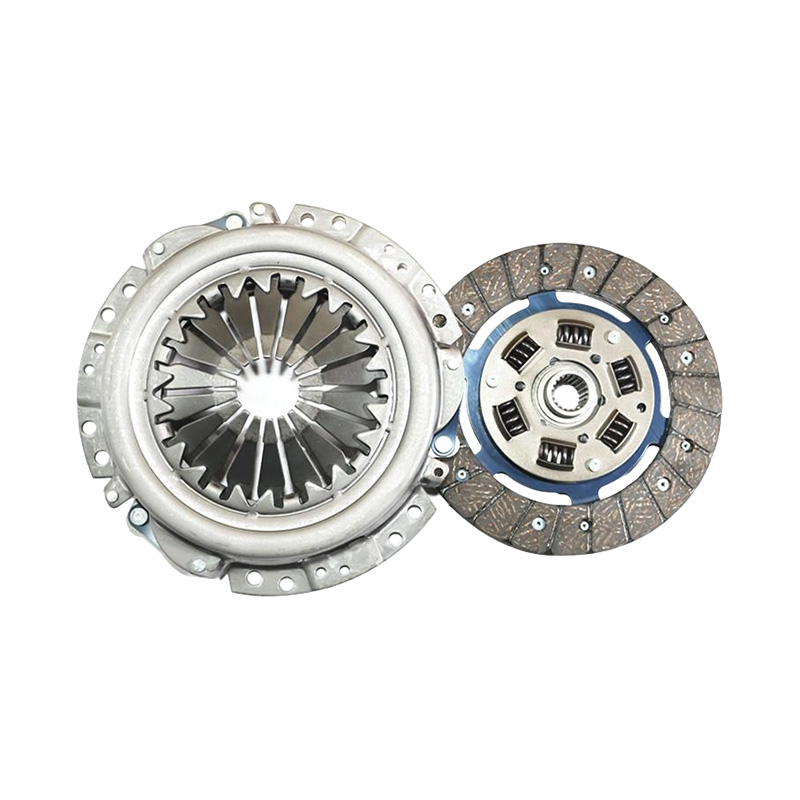
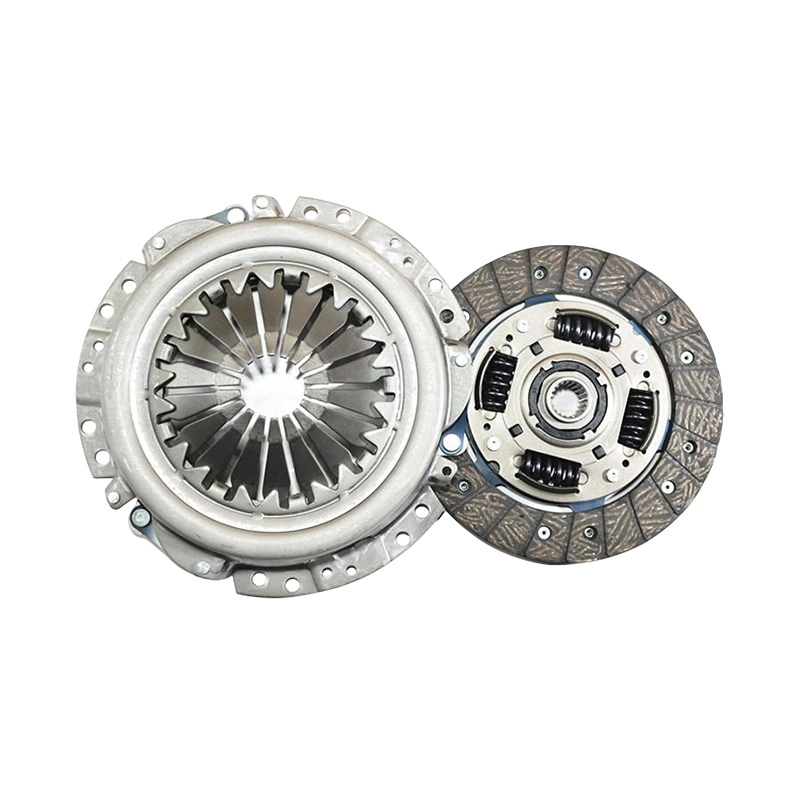
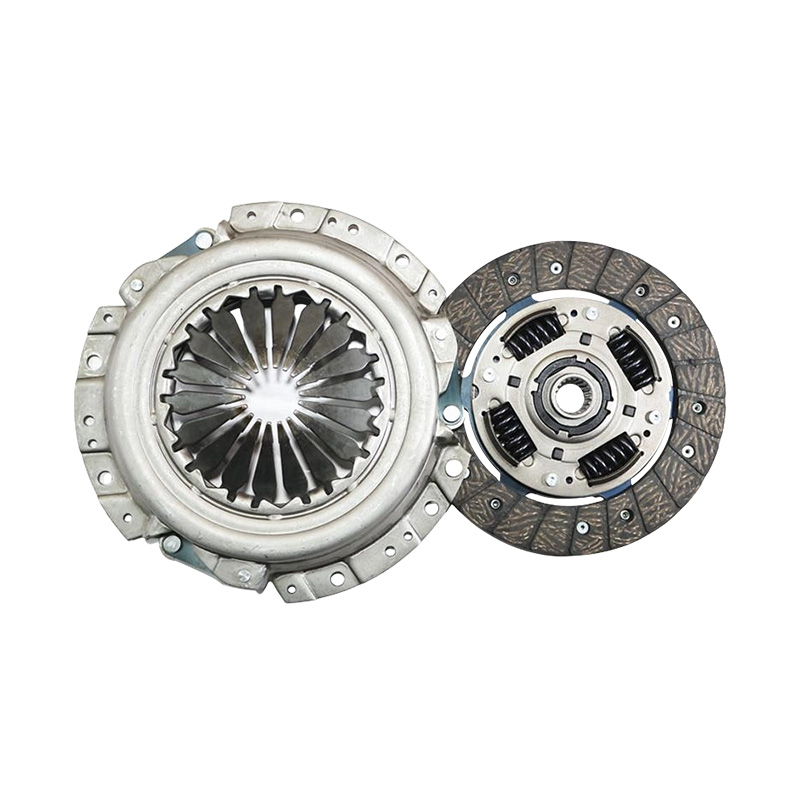
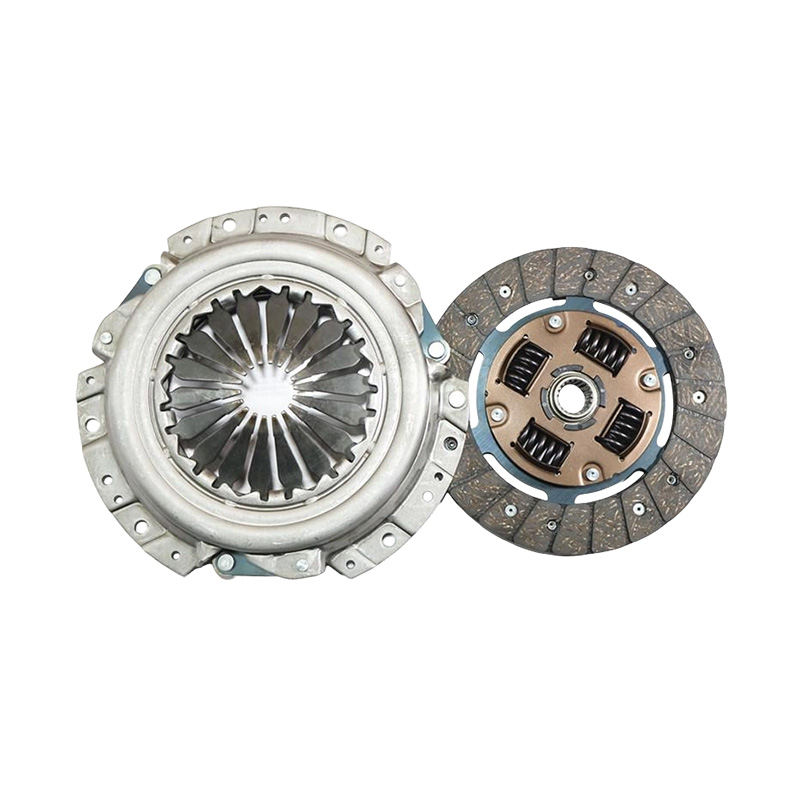
Why Can the Same OEM Clutch Cover Use Different Specifications
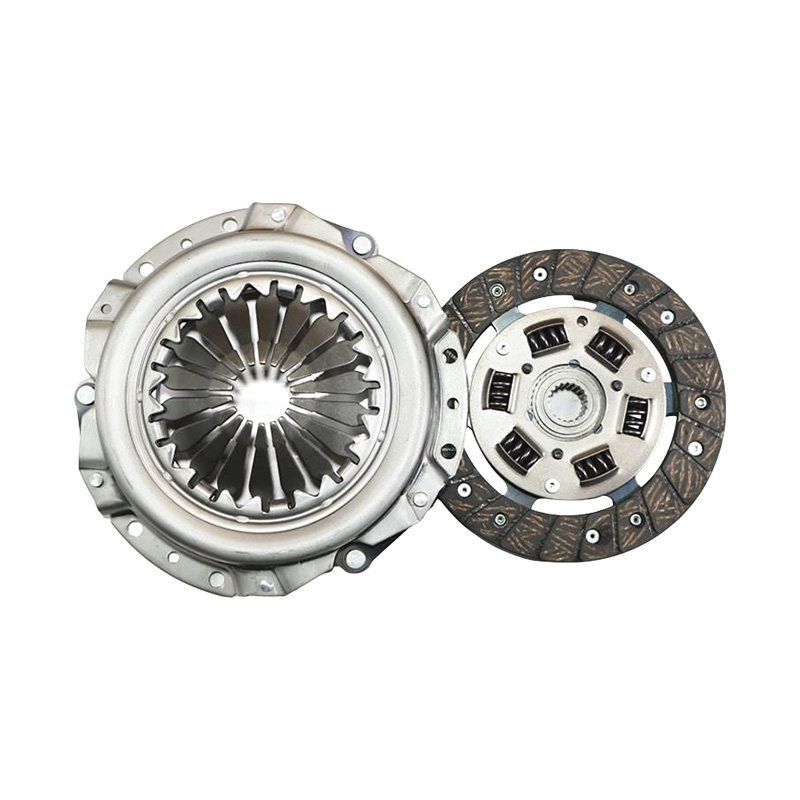
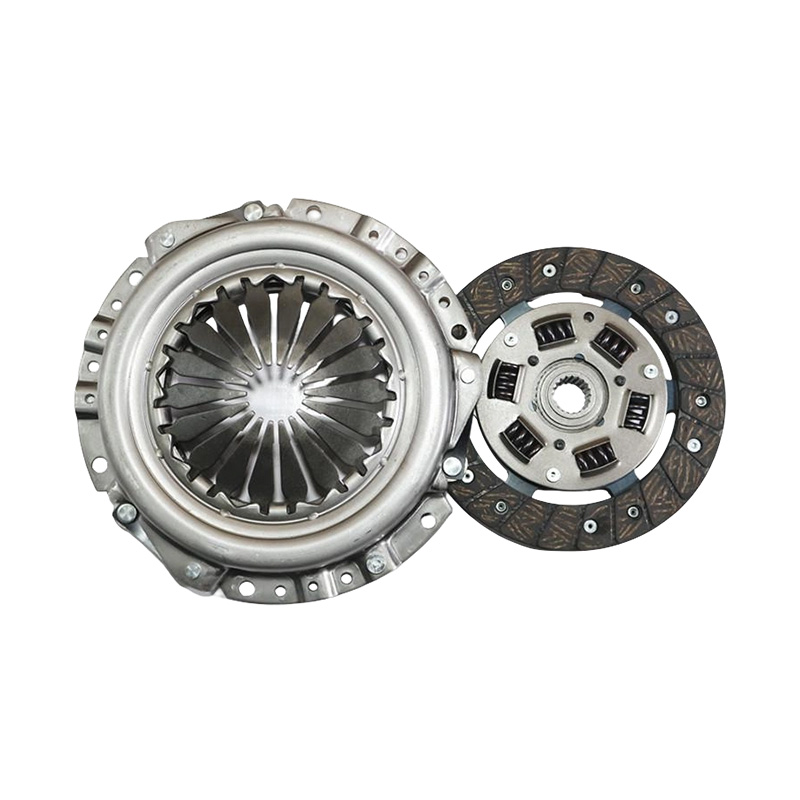
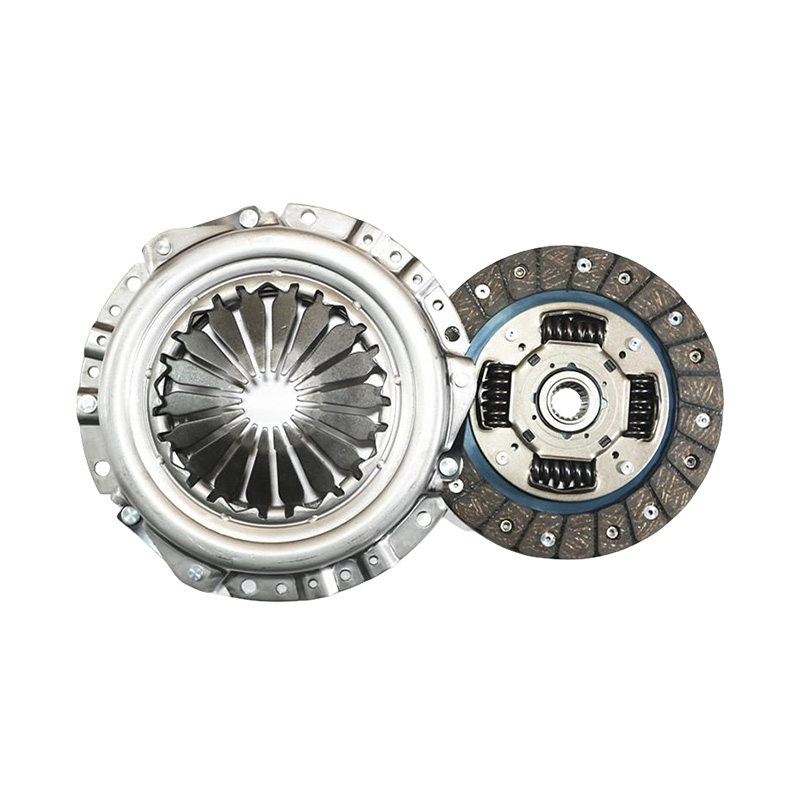
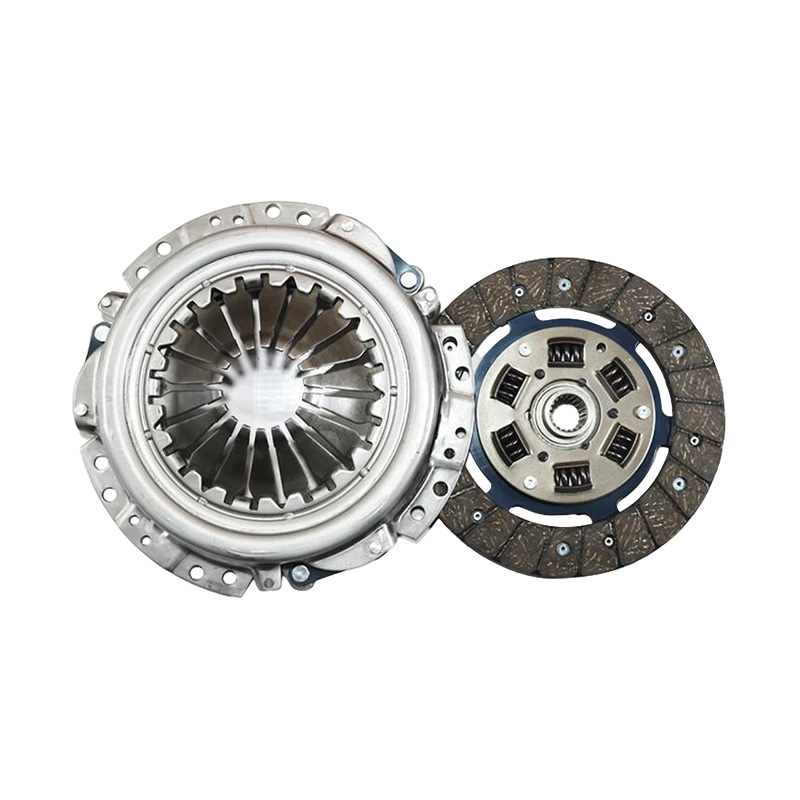
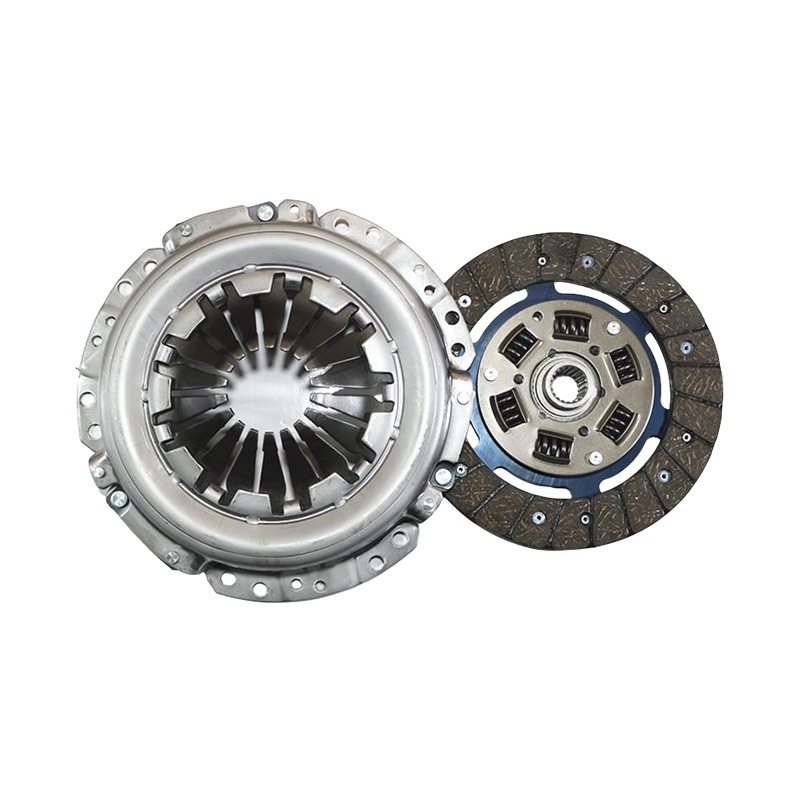
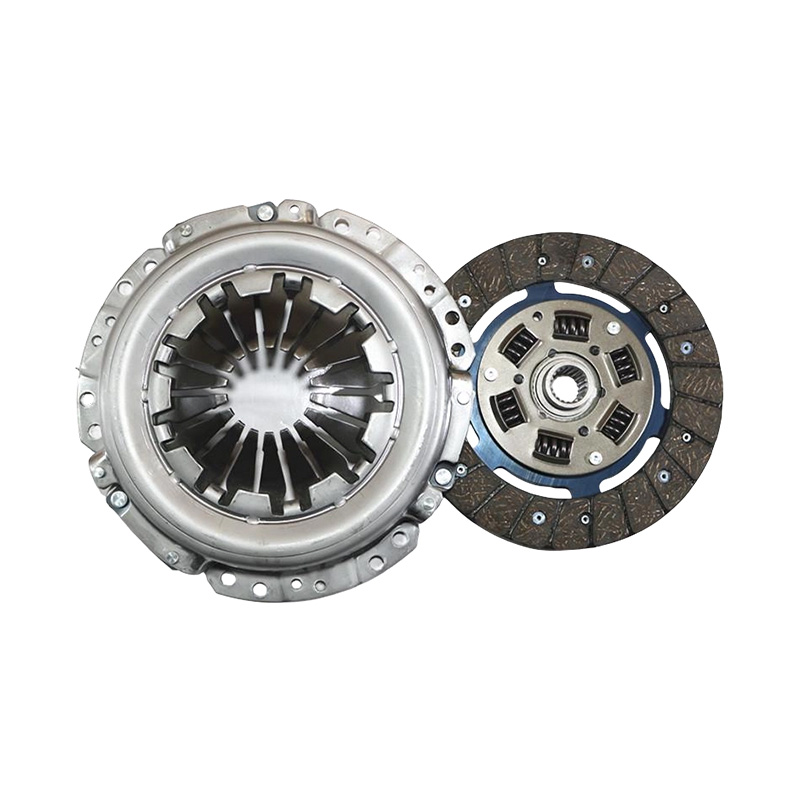
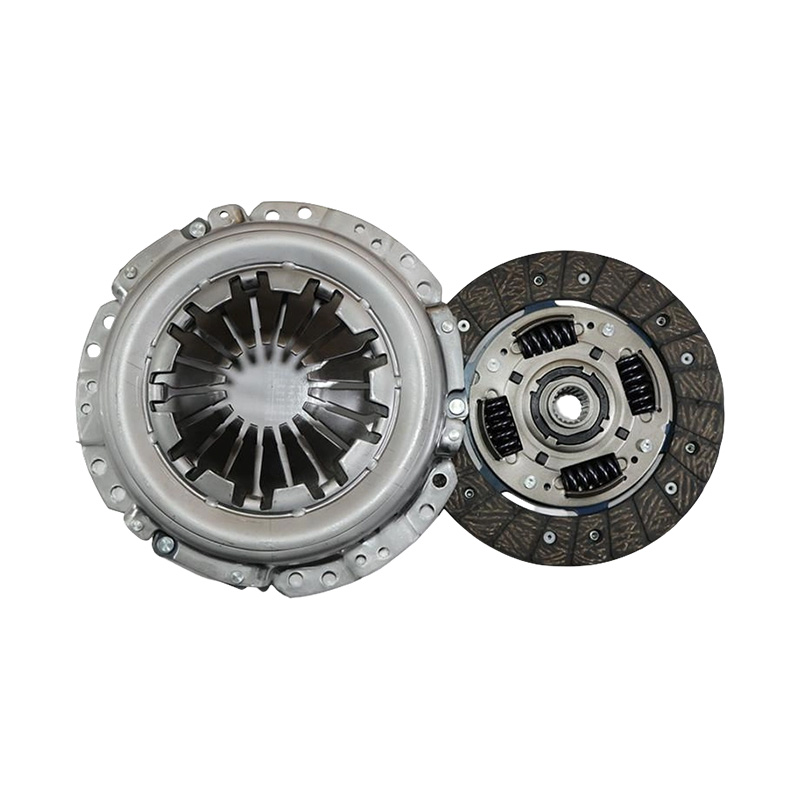
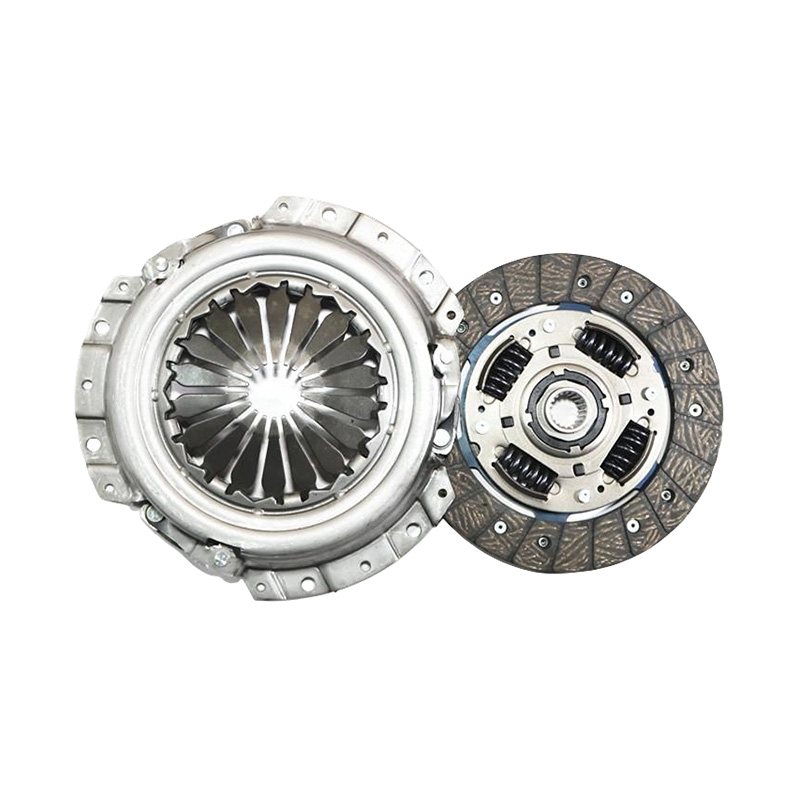
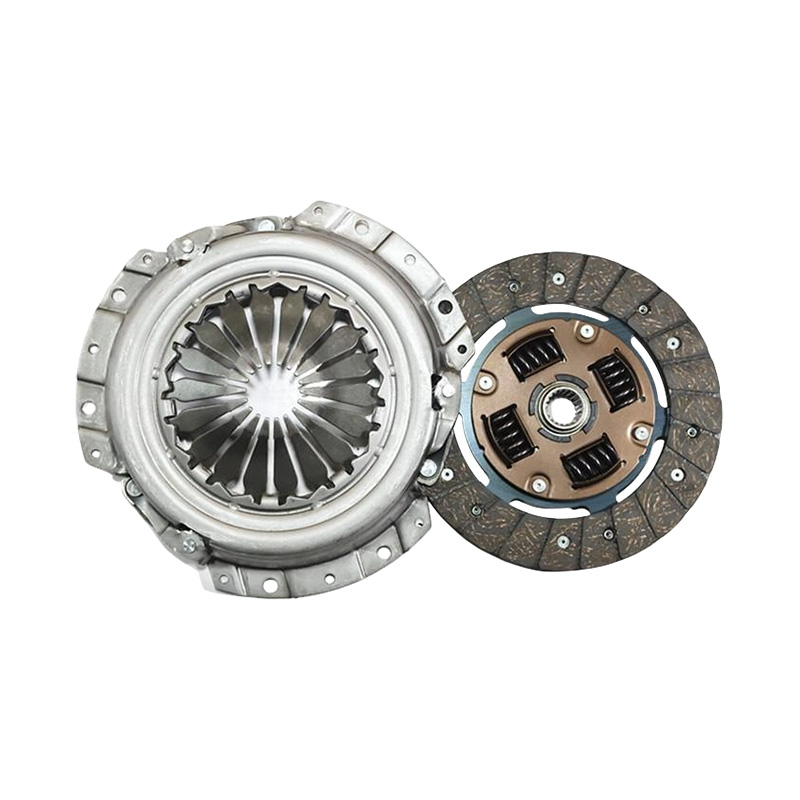
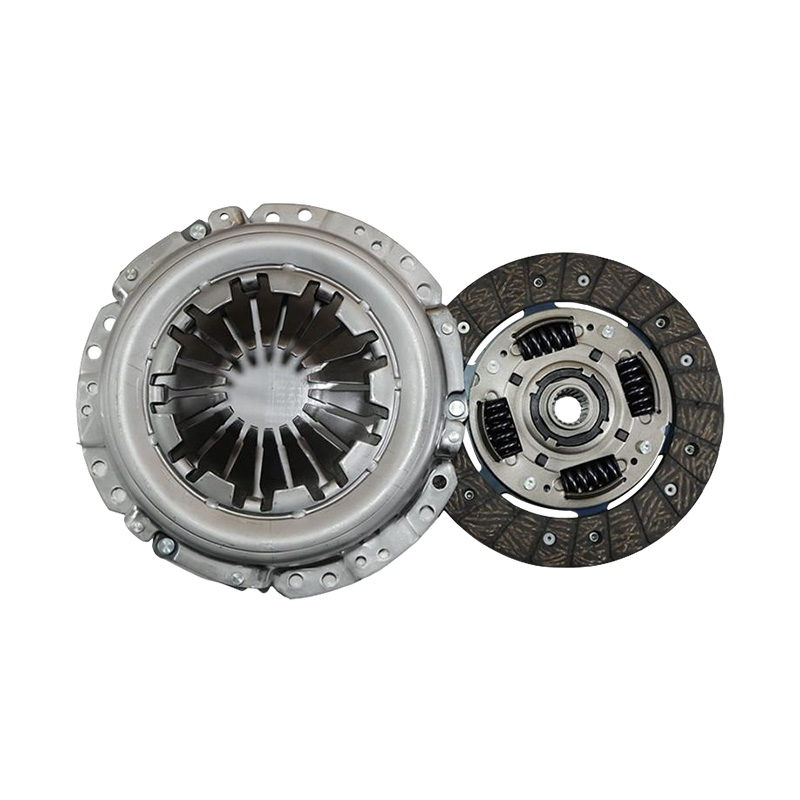
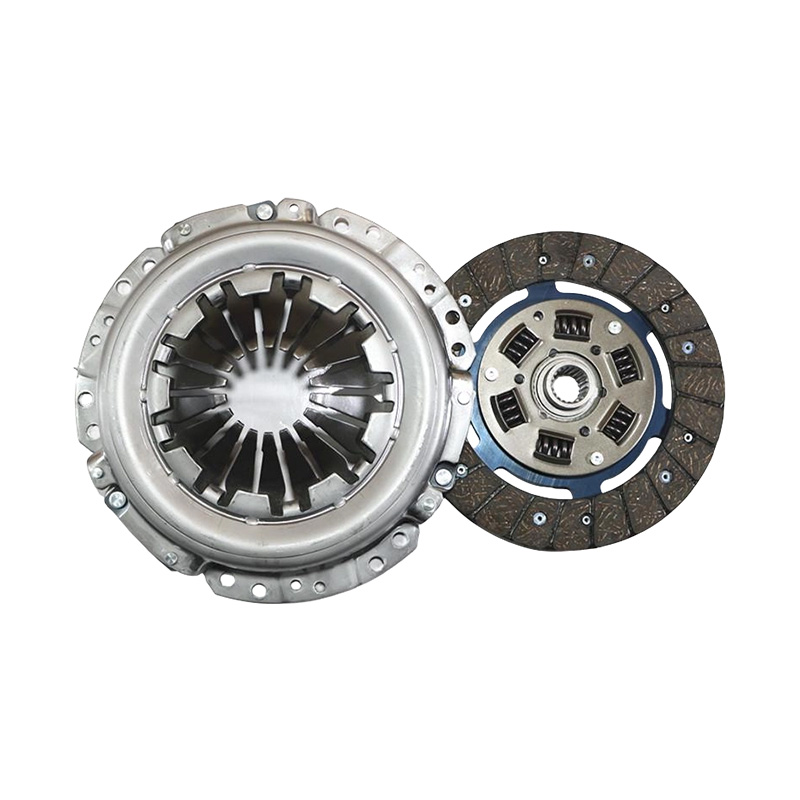
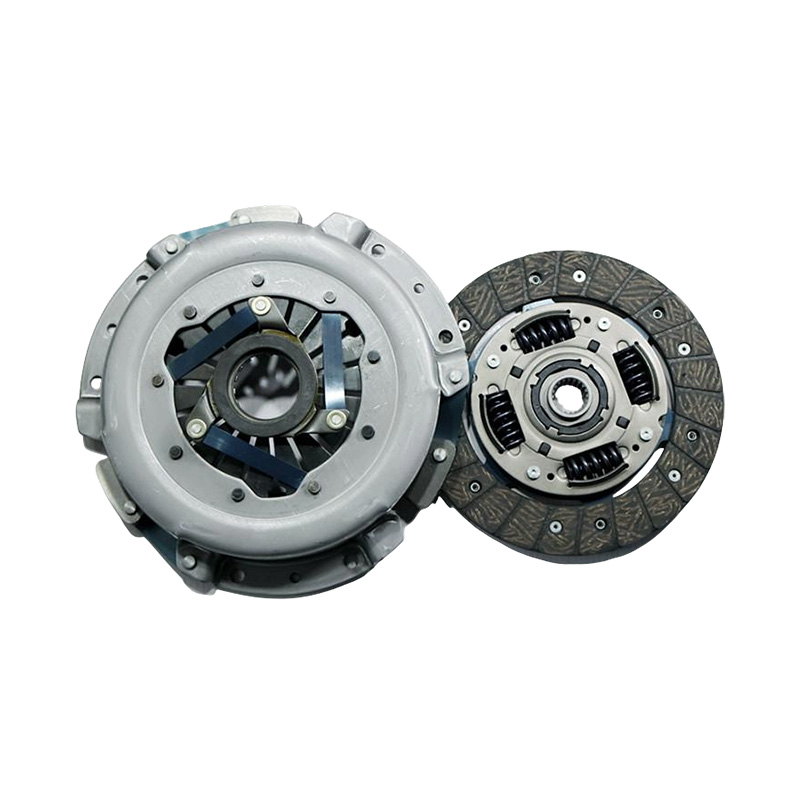
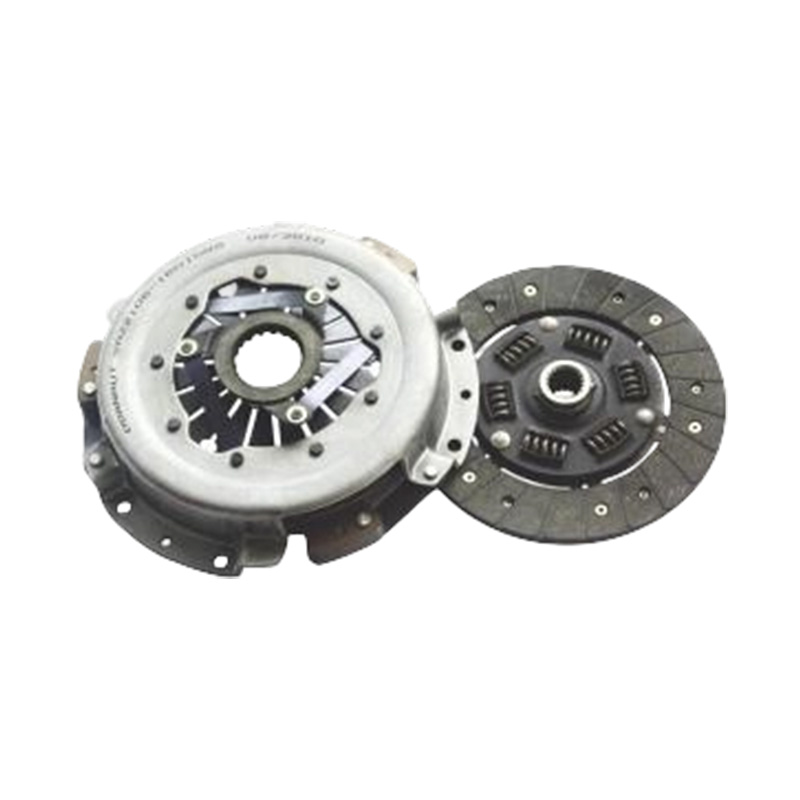
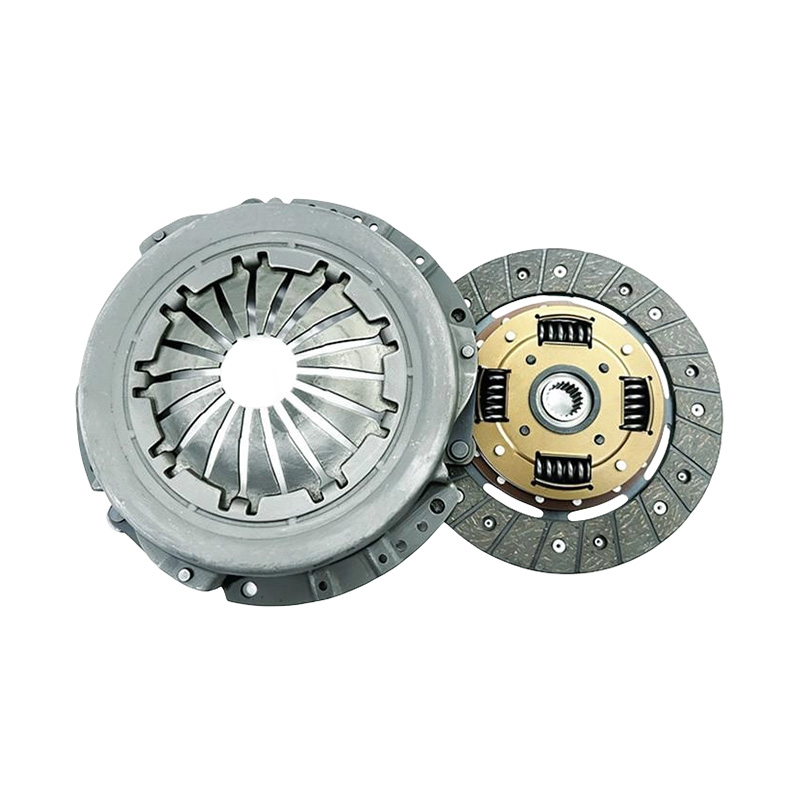
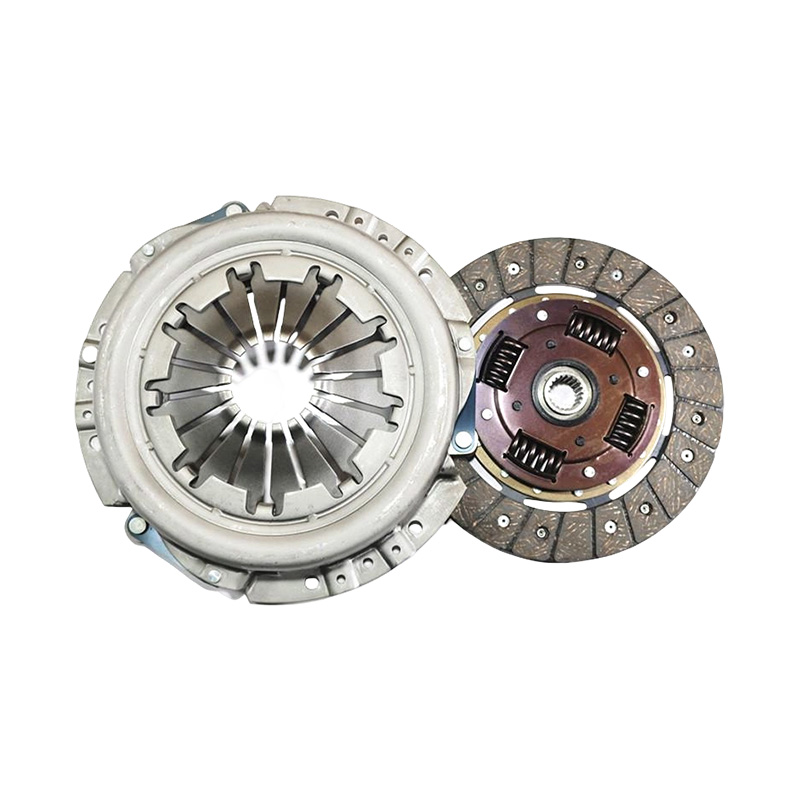
Clutch covers may look similar across related vehicle applications, yet their internal and dimensional specifications can vary considerably. Different engine outputs, flywheel designs, transmission configurations, and release systems can require different pressure plate characteristics. GUHL treats the OEM clutch cover as a precision component whose dimensions and spring characteristics need to correspond with the complete clutch system.
Outer Diameter Does Not Tell the Whole Story
Clutch cover diameter is an easy specification to compare, but it cannot independently confirm compatibility. Two covers may share a similar outside diameter while using different mounting patterns or working heights.
- Cover diameter: Determines the general size of the pressure plate assembly.
- Bolt-circle pattern: Must correspond with the flywheel mounting arrangement.
- Dowel position: Helps establish accurate alignment between the cover and flywheel.
- Set-up height: Determines the working position of the diaphragm spring and release mechanism.
Technical clutch specifications commonly identify mounting holes, dowel holes, set-up height, diaphragm spring characteristics, and clamp load separately. These measurements can distinguish covers that appear almost identical from the outside.
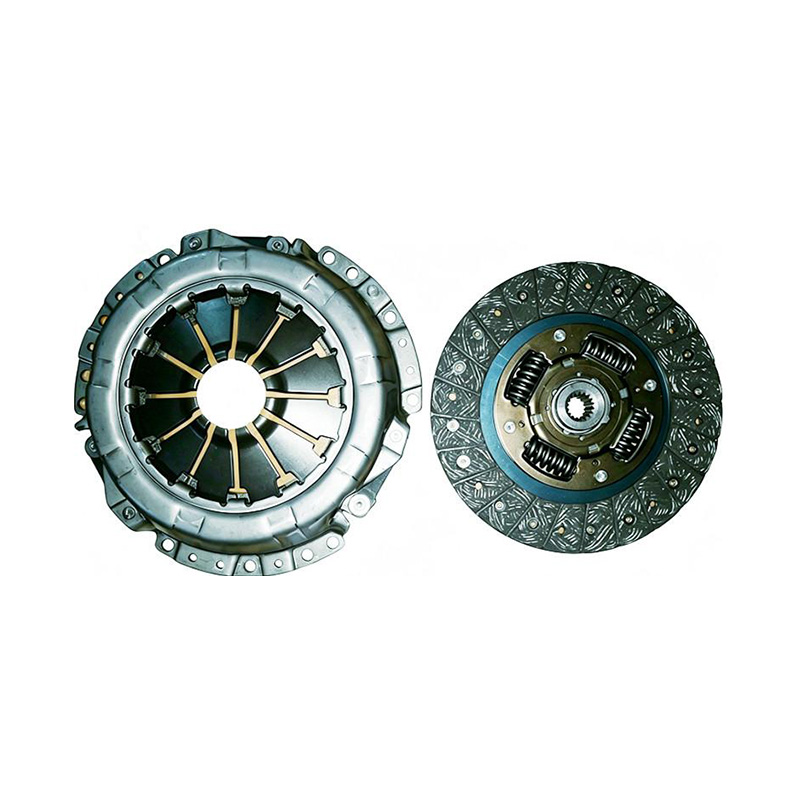
Diaphragm Spring Changes the Working Characteristics
The diaphragm spring is responsible for generating the force that presses the pressure plate against the clutch disc. Its shape, spring rate, finger geometry, and working position influence both clamping force and release behavior.
GUHL pays close attention to diaphragm spring specifications during clutch cover development. Different engine torque levels can require different clamp-load characteristics, while different release systems can require different finger heights or release interfaces.
Small Spring Differences Can Matter
- Spring thickness can affect load characteristics.
- Finger geometry influences release movement.
- Fulcrum position changes the spring's operating leverage.
- Spring working height affects release-system compatibility.
Such details explain why two clutch covers with similar dimensions can produce different pedal characteristics or require different release mechanisms.
Clamp Load Depends on the Application
Engine torque creates another reason for specification differences. Clamping force needs to keep the clutch disc firmly engaged with the flywheel while remaining compatible with the vehicle's release system.
Technical references show that pressure plate specifications can include a defined set load. One service specification, for example, lists a diaphragm-spring clutch cover with a set load of 4,248 N. Such values demonstrate that clamp load is an engineering parameter rather than a visual characteristic.
GUHL develops clutch covers according to application requirements rather than treating higher clamp load as universally desirable. Passenger vehicles, commercial vehicles, and higher-torque applications can require different pressure characteristics.
Release Travel Can Create Another Specification
Clutch cover compatibility also depends on how the pressure plate is released. Release bearing type, diaphragm finger shape, finger height, and maximum release travel all affect the operating relationship between the clutch cover and actuation system.
- Release bearing type: Needs to match the cover's contact structure.
- Release travel: Must remain within the specified operating range.
- Finger height: Influences the release position and pedal response.
- Release plate design: Can change the required bearing interface.
Published technical data for clutch cover assemblies specifically identifies release bearing type and maximum release travel as fitment parameters.
Same Vehicle Does Not Always Mean Same Cover
Related vehicle versions can use different clutch covers because their engines and transmissions may not share identical torque output or flywheel dimensions. Production changes can also introduce revised clutch assemblies without changing the basic vehicle name.
That makes OE reference numbers, engine codes, transmission information, flywheel specifications, and dimensional measurements useful during product identification. GUHL uses application data to distinguish similar-looking clutch covers and establish the appropriate product configuration.
Why Specification Accuracy Matters
An OEM clutch cover is more than a stamped housing surrounding a pressure plate. The cover, diaphragm spring, pressure plate, mounting pattern, and release interface operate as an integrated mechanical assembly.
GUHL focuses on these relationships during clutch cover development. By controlling dimensions such as mounting-hole position, working height, spring characteristics, and clamp load, GUHL can provide clutch cover configurations suited to different drivetrain requirements.
Different Specifications Serve Different Applications
Different OEM clutch cover specifications do not necessarily indicate inconsistent design. They often reflect differences in engine torque, flywheel geometry, transmission input requirements, and release-system architecture.
GUHL approaches each OEM clutch cover according to its intended application. Looking beyond diameter and checking the complete specification profile provides a clearer way to understand why similar covers may use different dimensions, spring characteristics, and operating parameters.
Interested in cooperation or have questions?
Related products