 English
  中文简体
中文简体  русский


Product
Home / Product
Product Category
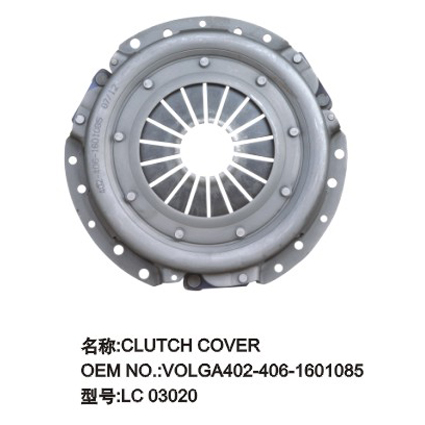
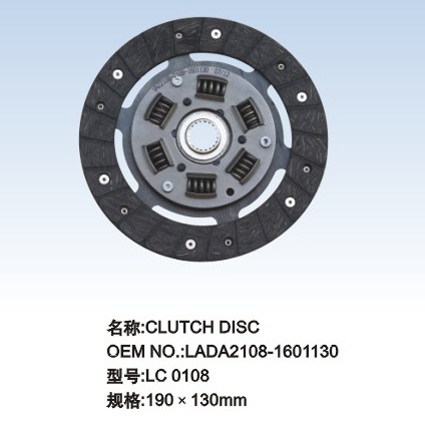
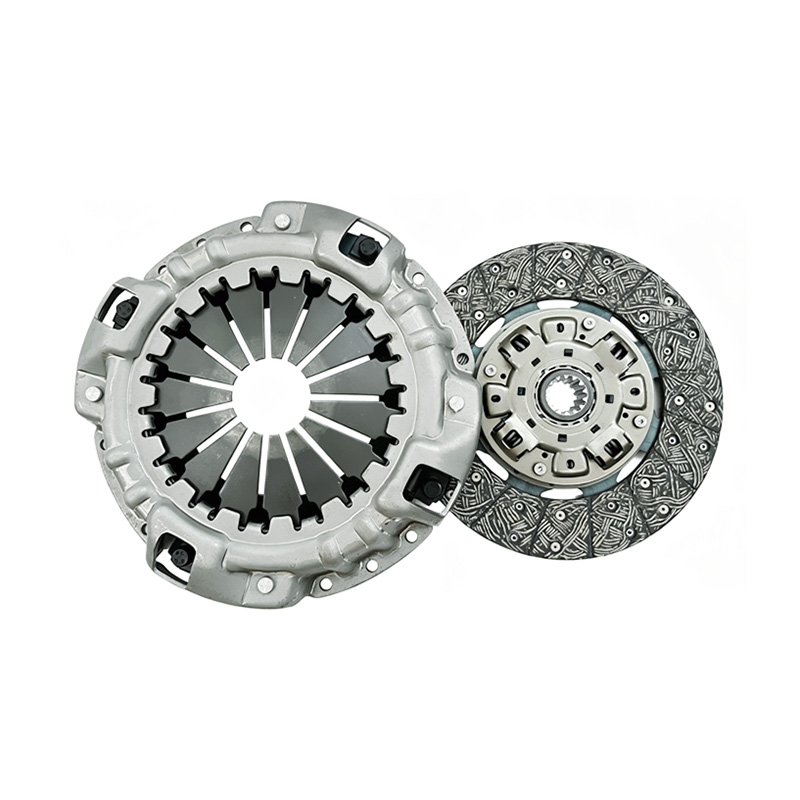
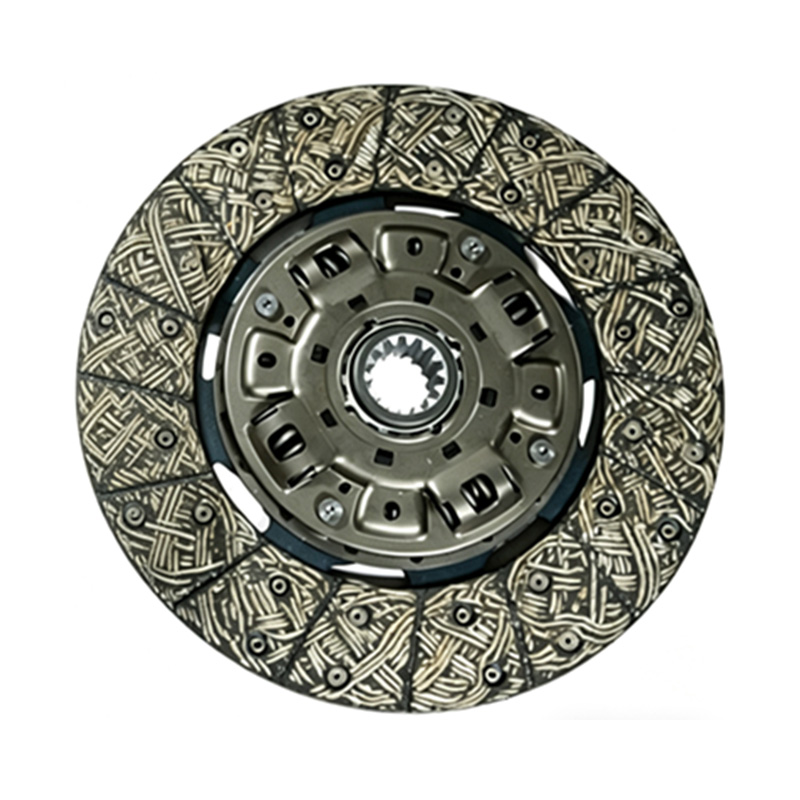
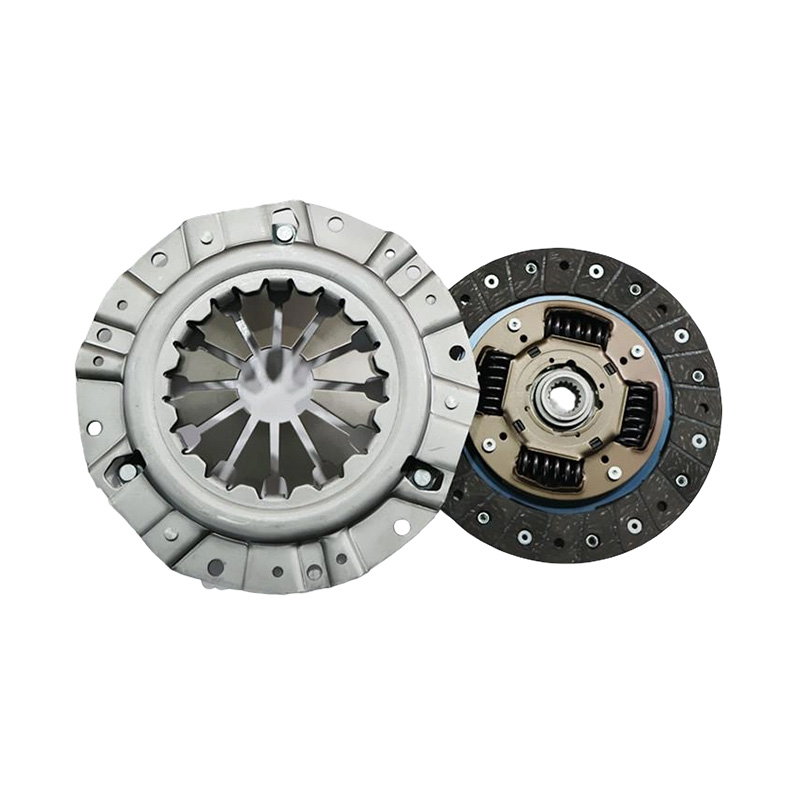

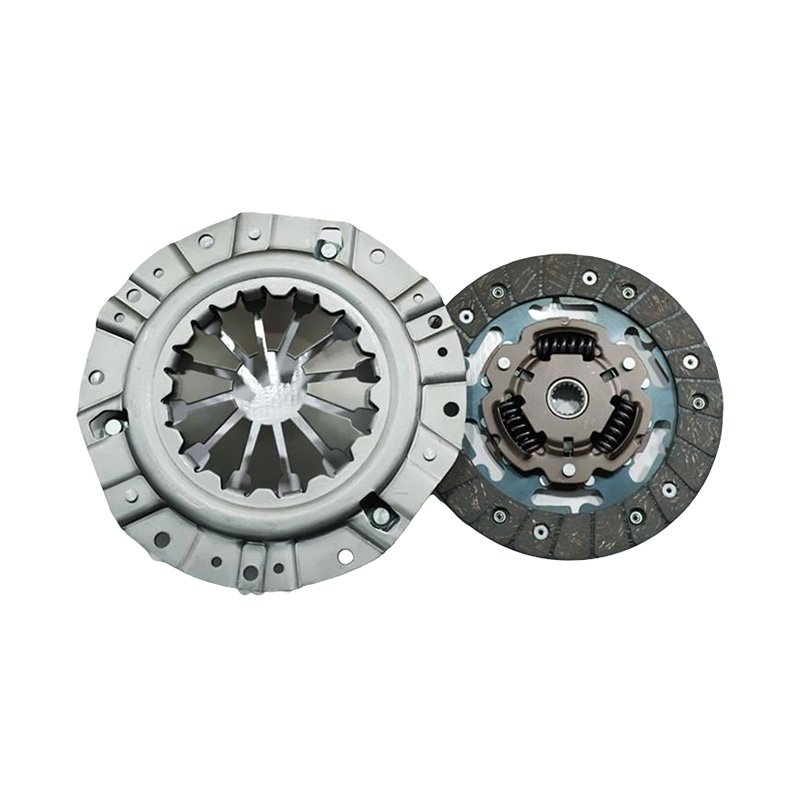
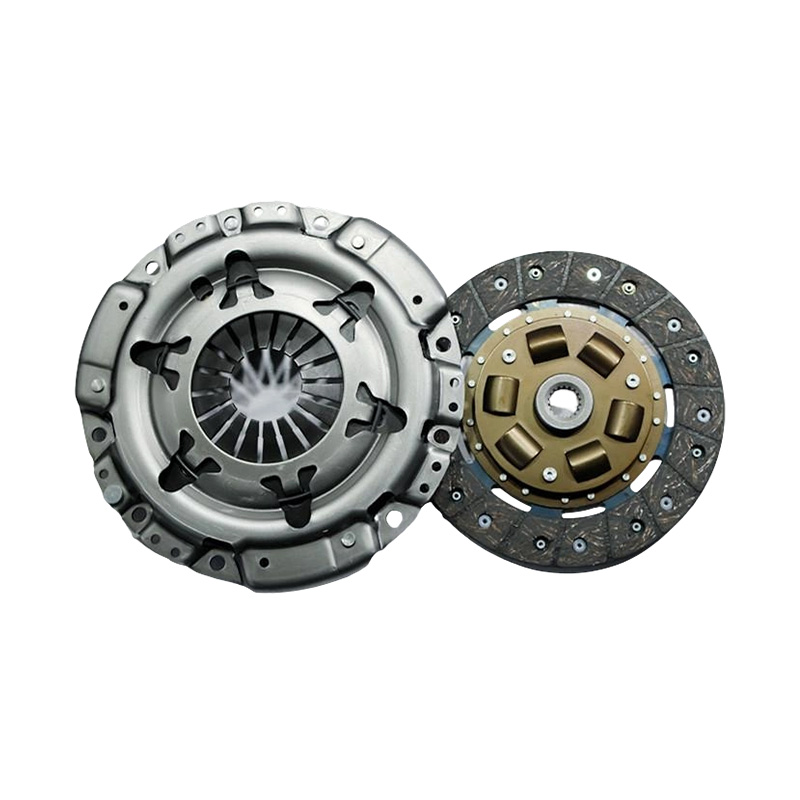
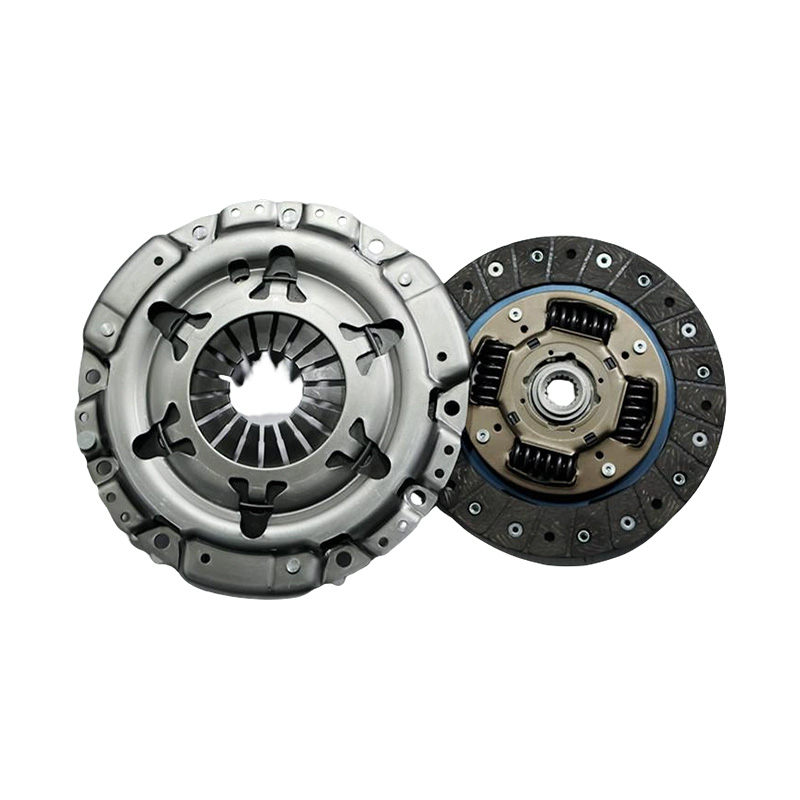
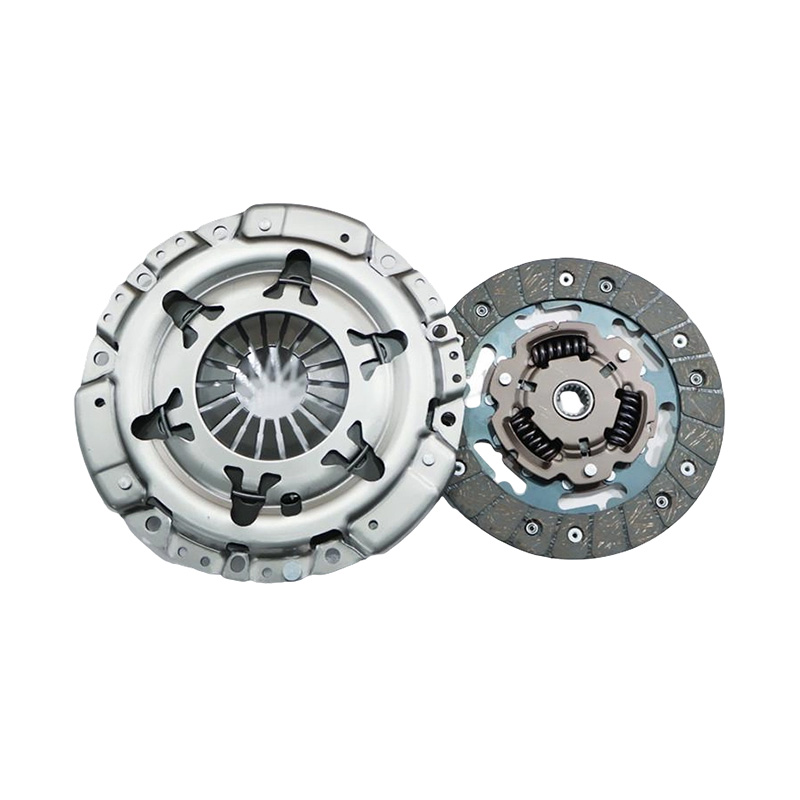
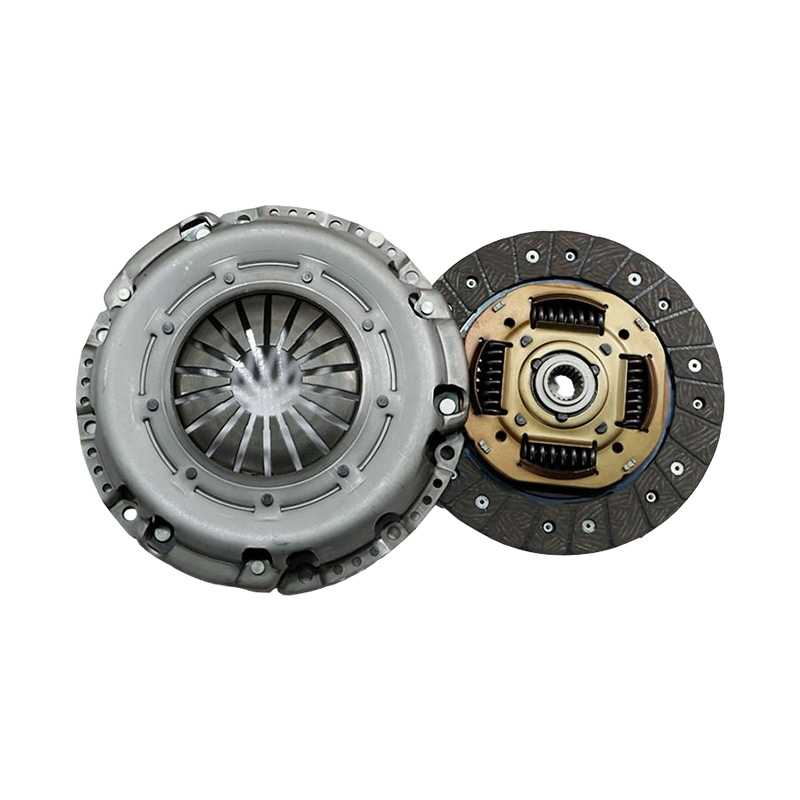
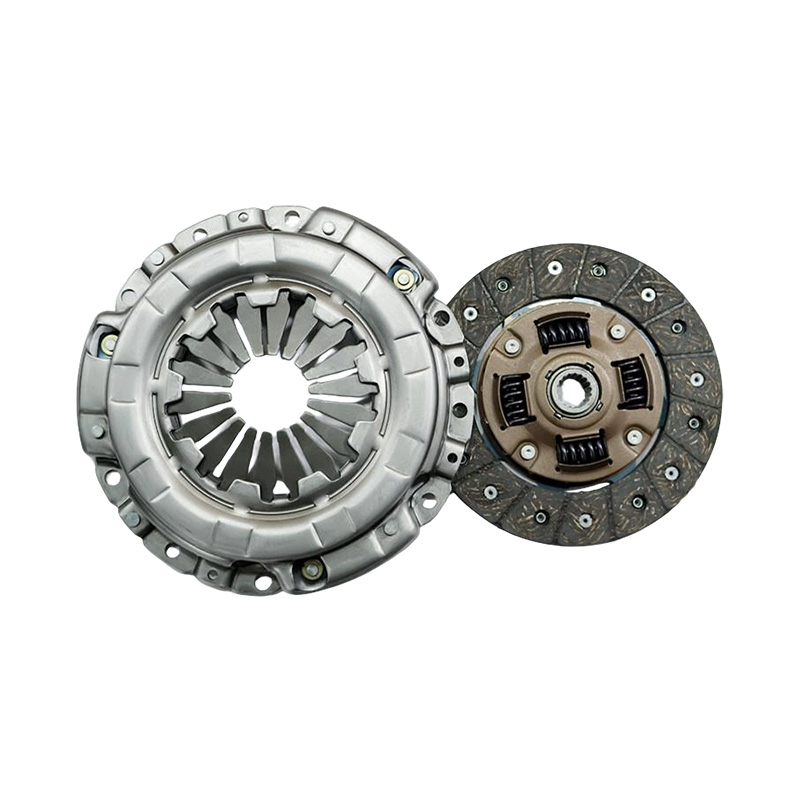
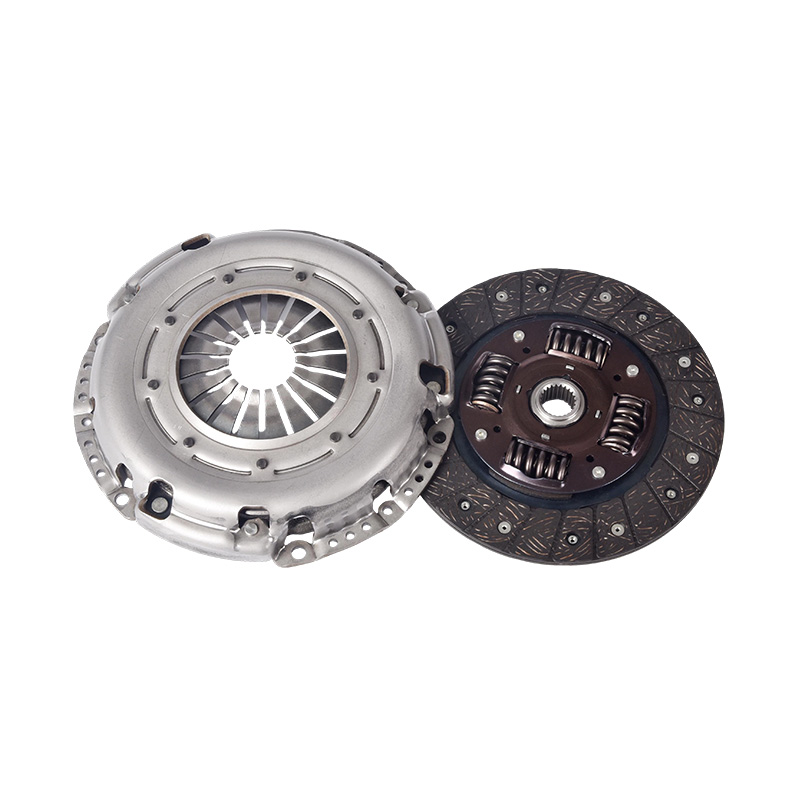
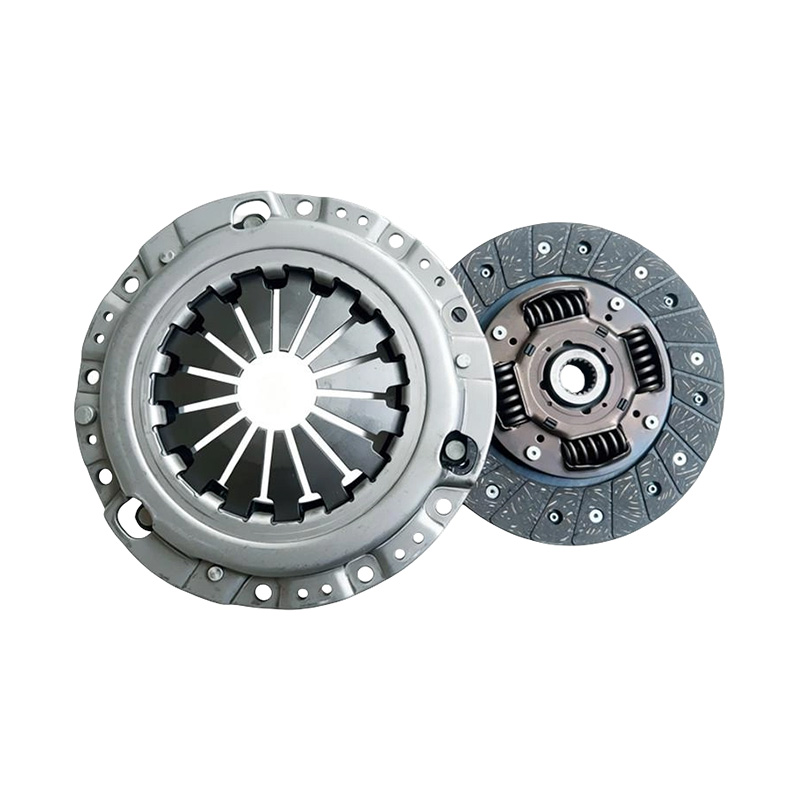
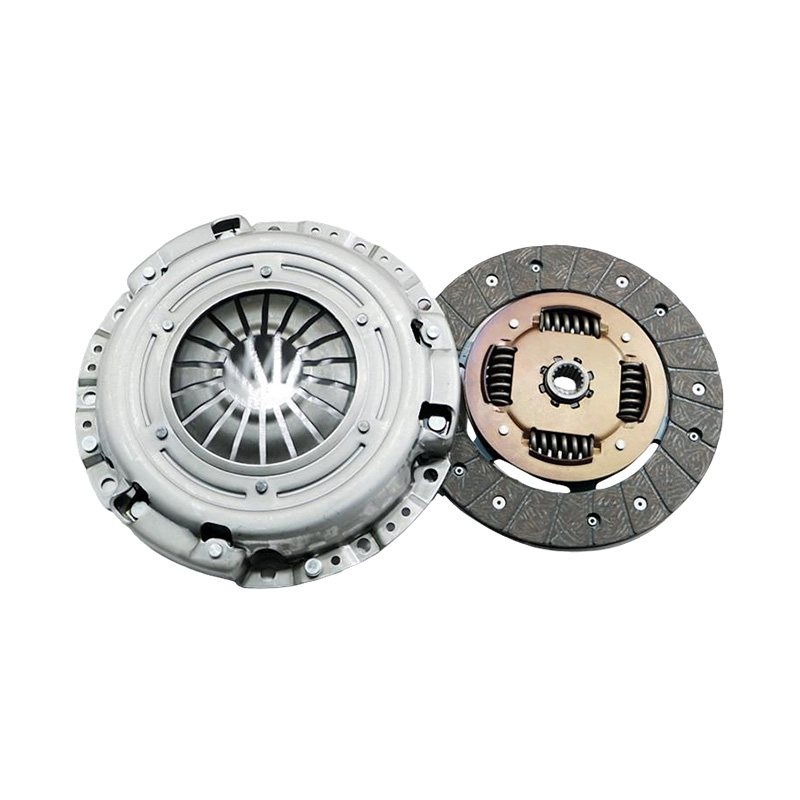
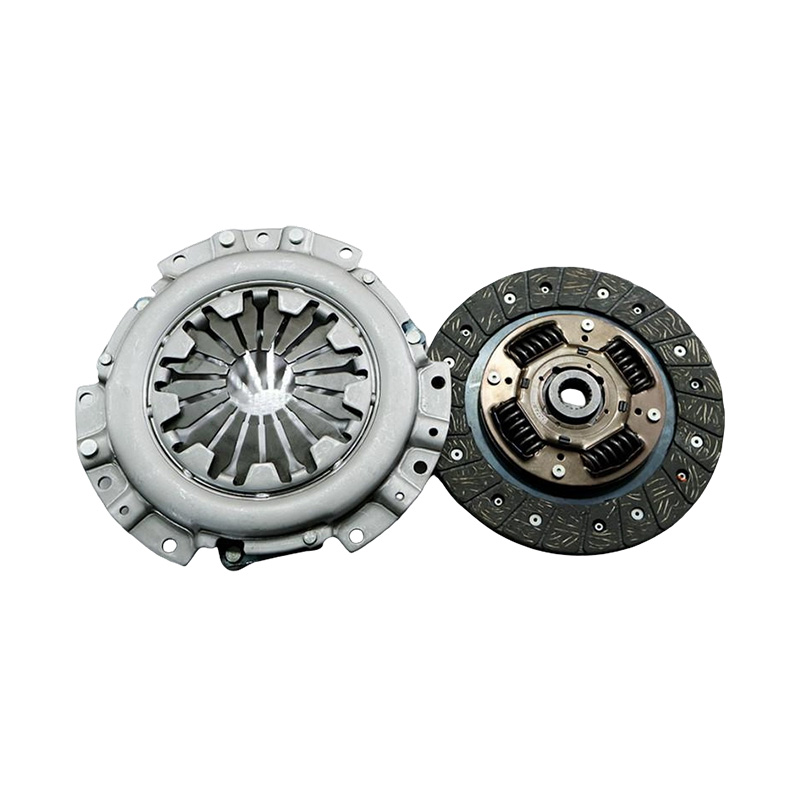
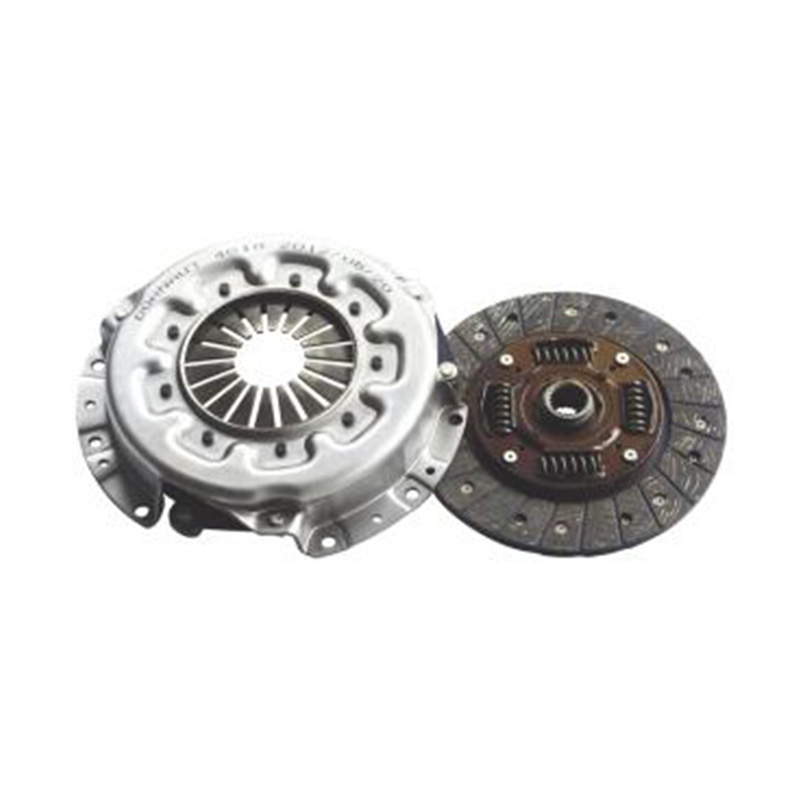
What You Need to Know About Clutch Pressure Plates—OEM, Aftermarket, and Supplier Selection
Clutch pressure plates are precision components that handle the immense forces of engine torque transfer. Getting them right—whether you're specifying for production or replacing one in the shop—means understanding how they're made, how suppliers differ, and where quality actually comes from.
What Manufacturing Processes and Quality Standards Do Clutch Pressure Plate Manufacturers Follow?
Pressure plates aren't simple stamped parts. They're machined components that demand tight control over flatness, parallelism, and material properties. A typical pressure plate starts as a casting—usually grey cast iron like GG20 or GG25 for its friction and heat dissipation properties, or forged steel (1045, 4140) for higher strength applications requiring over 600 MPa yield strength.
The production flow generally follows this sequence:
- Casting or forging: Raw material is shaped. For cast iron, the graphite structure and matrix composition (pearlite ≥ 95%) are critical to achieving the required hardness of 170–241 HBS and tensile strength of ≥ 200 MPa.
- CNC turning and milling: Friction surfaces are machined to a flatness tolerance of ±0.020 mm and a surface finish of 0.8–3.2 Ra microns. The diaphragm spring mounting surfaces must maintain parallelism within 0.025 mm.
- Grinding: Hardened surfaces are finished to 0.4 Ra microns for final friction surfaces, with flatness improved to ±0.015 mm.
- Heat treatment: Components are hardened to achieve specified hardness profiles—cast iron runs 180 HB ±20, steel components reach 28–35 HRC.
Quality standards that reputable manufacturers adhere to:
Testing protocols typically include thermal cycling from ambient to 400°C for 50 cycles, runout measurement under 0.030 mm, and durability testing exceeding 150,000 km or 100,000 engagement cycles. Component traceability is non-negotiable—material certification with heat treatment records comes standard.
What Should I Consider When Choosing a Pressure Plate Assembly Manufacturer?
Specifying a clutch pressure plate manufacturer is about risk management, not just unit cost. The wrong supplier turns a $100 part into a $1,000 warranty claim.
Core evaluation criteria:
- Certifications: IATF 16949 is the baseline for automotive work. It signals that the supplier has passed rigorous auditing for design controls and production consistency. ISO 14001 environmental compliance also matters for sustainability commitments.
- Production capability: Look for automated machining lines, real-time monitoring systems, and in-house heat treatment. Facilities exceeding 3,000 m² typically support dedicated CNC lines and can scale from prototype to high-volume production (thousands to millions annually).
- Material expertise: Different applications demand different materials. Steel (1045, 4140) for strength, grey cast iron (GG20, GG25) for friction properties, and specialized alloys for racing applications. A supplier that understands this spectrum is worth more than one that simply stamps parts.
- Testing capability: Third-party lab reports based on SAE J661 wear tests, dynamometer testing for torque capacity, and thermal stability measurements above 350°C.
- Traceability: Can the supplier trace friction materials and spring steels back to batch level? This is critical for warranty validation and failure analysis.
Practical steps before committing: request sample units tested under simulated load cycles. Insist on full PPAP documentation prior to mass production. And don't skip video audits of production lines or pre-shipment samples.
What Is the Difference Between OEM and Aftermarket Clutch Pressure Plates?
The gap between OEM and aftermarket is narrower than many assume—but the details still matter.
OEM (Original Equipment Manufacturer) pressure plates are the exact parts that came on the vehicle from the factory. They are manufactured to the vehicle manufacturer's specifications, often by tier-one suppliers like Sachs or Bosch. OEM parts deliver the same engagement characteristics and pedal effort as the original.
Aftermarket parts fall into two categories: direct replacements that match OEM specifications and performance upgrades that alter clamping force, pedal feel, or material composition.
Key differences:
| Aspect | OEM | Aftermarket (Performance) | Aftermarket (Budget Replacement) |
| Design spec | Matches original vehicle | Higher clamping force, different engagement profile | Varies by manufacturer |
| Pedal effort | As designed | Often heavier | May match OEM or differ |
| Compatibility | Guaranteed fit | Check specific model compatibility | Usually generic fit |
| Source | Tier-one suppliers (Sachs, Bosch) | Third-party or re-branded parts | Various suppliers |
Practical consideration: Some aftermarket upgrades use a pressure plate from a different vehicle model, which can increase clamping force but also alter pedal feel. This can be desirable for performance applications, but it can also lead to issues—Porsche 968 owners have reported firewall cracking from using a higher-pressure 911-style plate on their 968 chassis. The correct OEM part for the 968 was identified by a green stripe on the pressure plate.
Another real-world consideration: OEM pressure plates generally provide smoother engagement, which matters for daily driving.
What Is the Torque Capacity of an OEM Clutch Pressure Plate?
The short answer: it depends entirely on the vehicle and application. Torque capacity ranges from roughly 150 N·m for passenger cars to over 10,000 N·m for heavy industrial applications.
For passenger cars, typical OEM pressure plates are designed to hold the engine's rated torque with some safety margin. For example, a Centerforce I aftermarket pressure plate rated at 400 ft/lbs (542 N·m) serves as an entry-level upgrade for V8 applications. In racing applications, a 7.25-inch multi-plate assembly can range from 1,020 N·m to over 2,200 N·m depending on the number of friction plates. A 5.5-inch assembly starts at 340 N·m for a single plate and reaches 1,360 N·m with four plates.
The exact rating matters less than the fit:
- Torque capacity is a function of clamp load and friction coefficient.
- The clutch system—pressure plate, disc, and flywheel—works as a unit. The weakest link determines the system's limit.
- For OEM replacement purposes, matching the vehicle's engine torque is sufficient. For any modification that increases engine output, a corresponding clutch upgrade is recommended.


