Clutch Assemblies: What You Need to Know About OEM and Performance Clutches
Ask any driver about the clutch. You will get different answers. Some people think the clutch is used to change gears. Others believe it connects the transmission. Do you really know how the clutch works? Let us take a look at clutch assemblies and what you need to know when choosing a replacement.
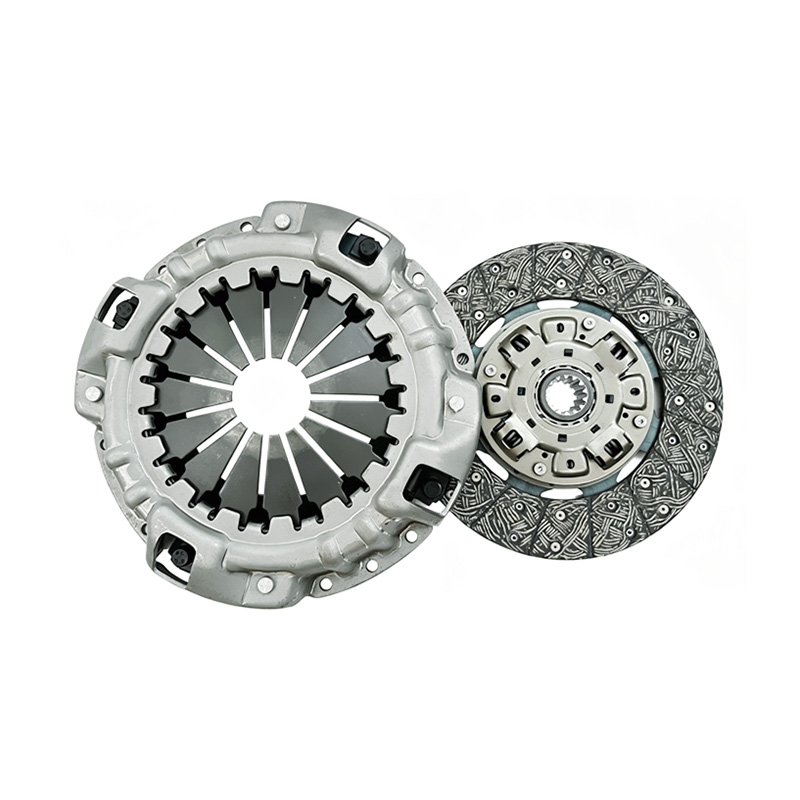
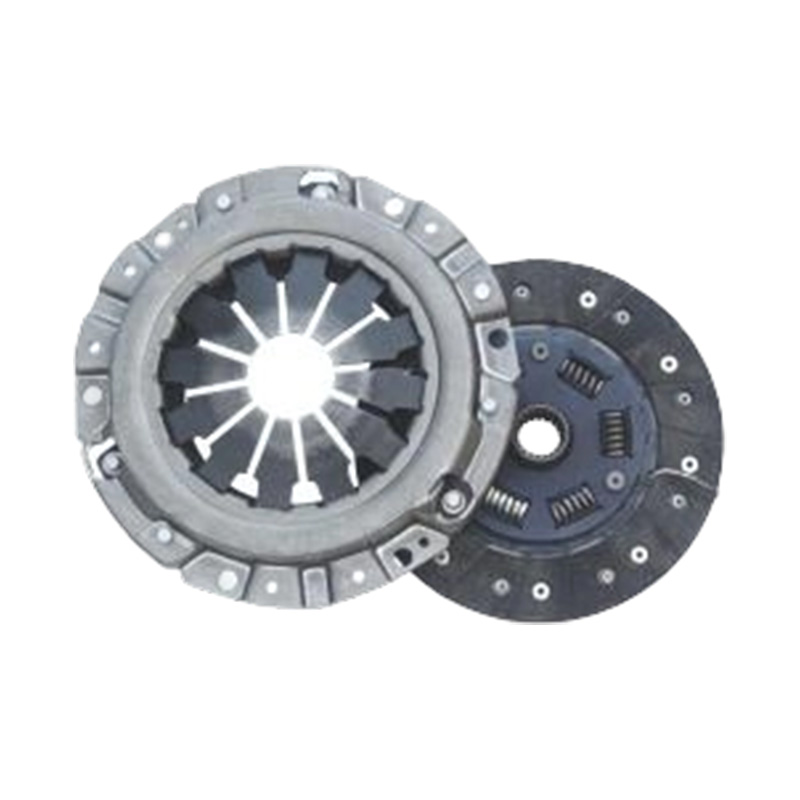
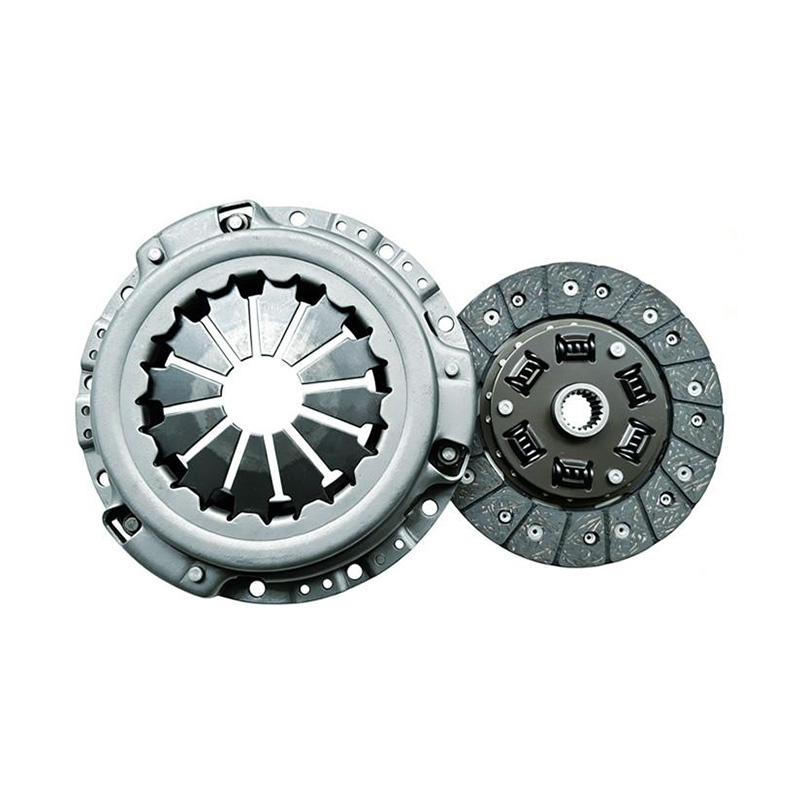
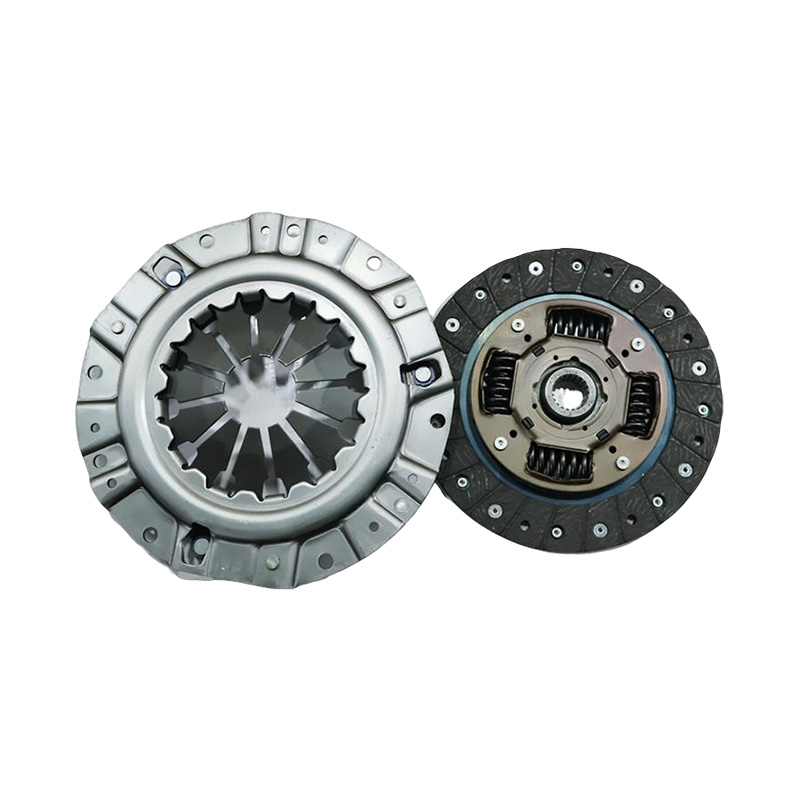
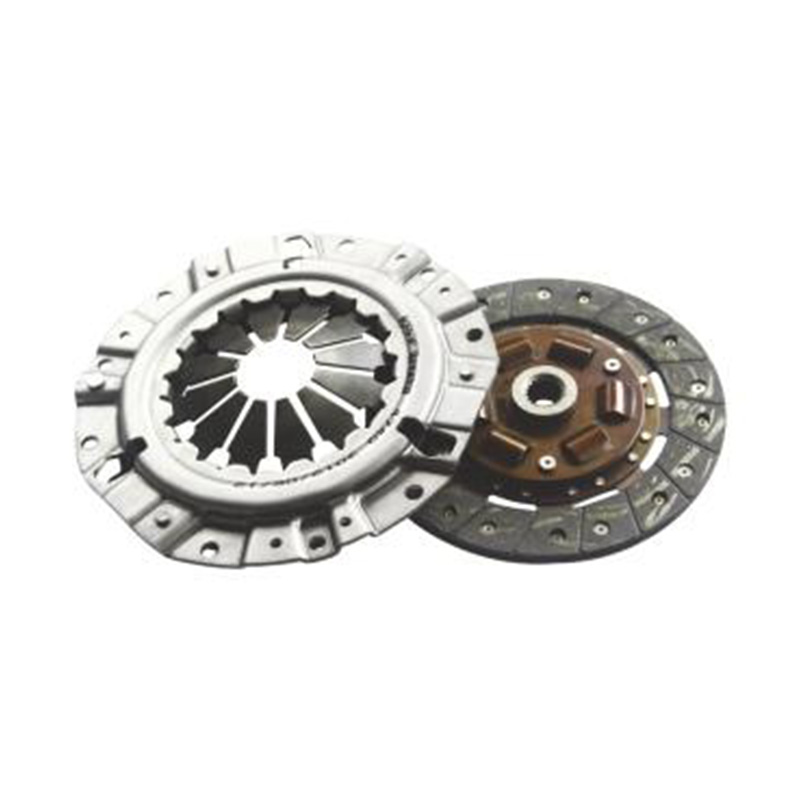
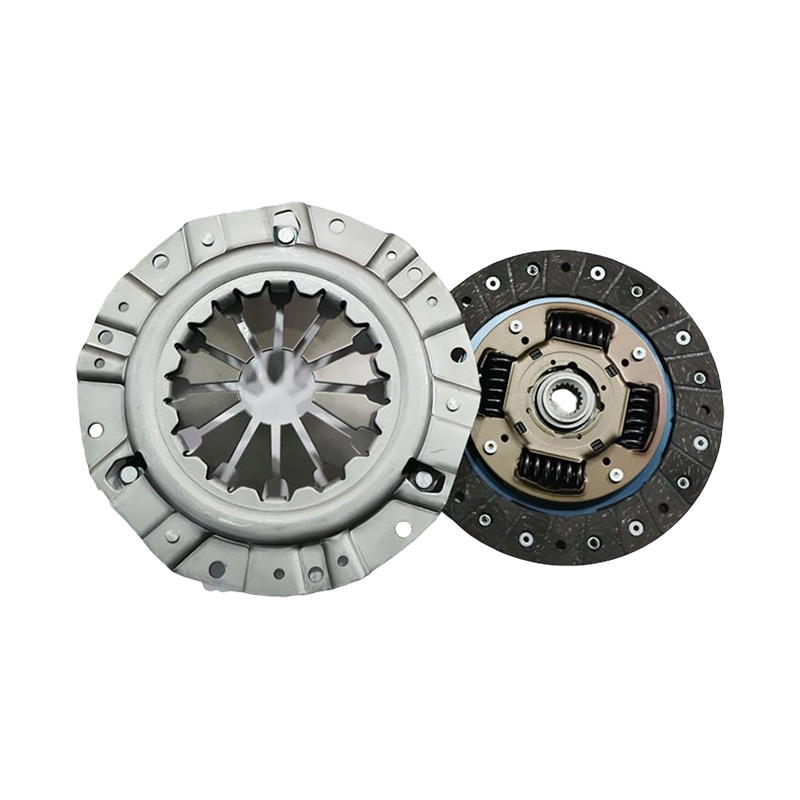
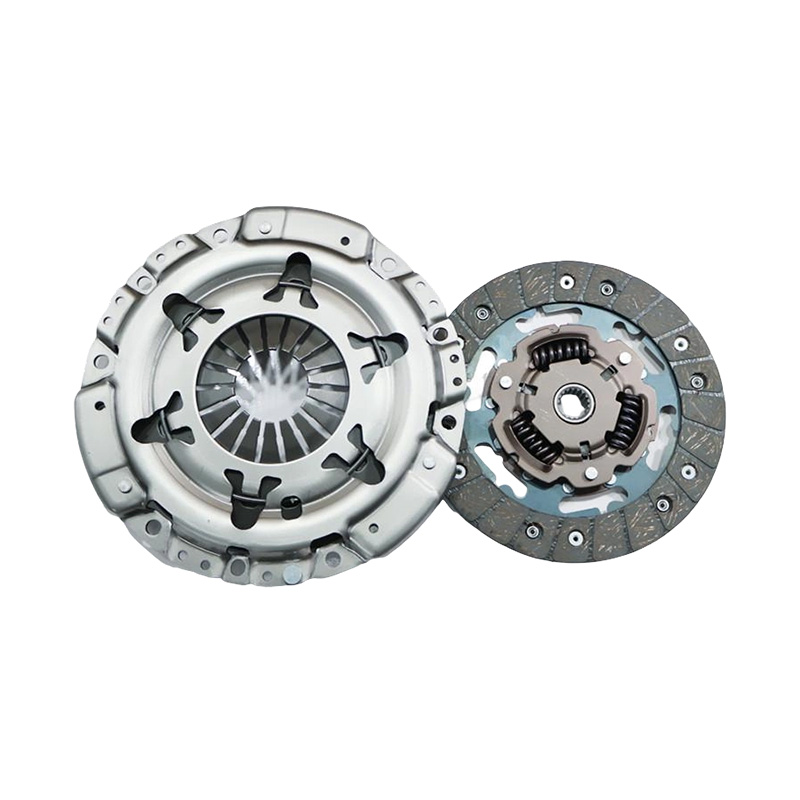
A clutch assembly has three parts. One part spins with the engine crank. Another part spins with the gearbox input shaft.. The third part connects and disconnects when you press the pedal.
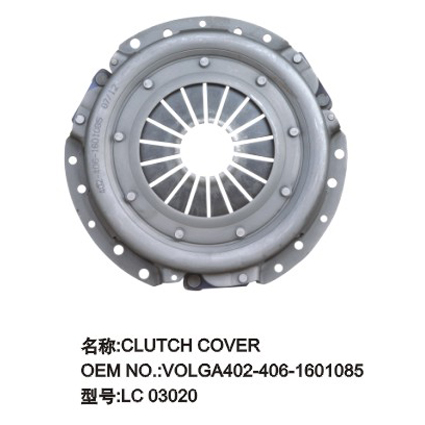
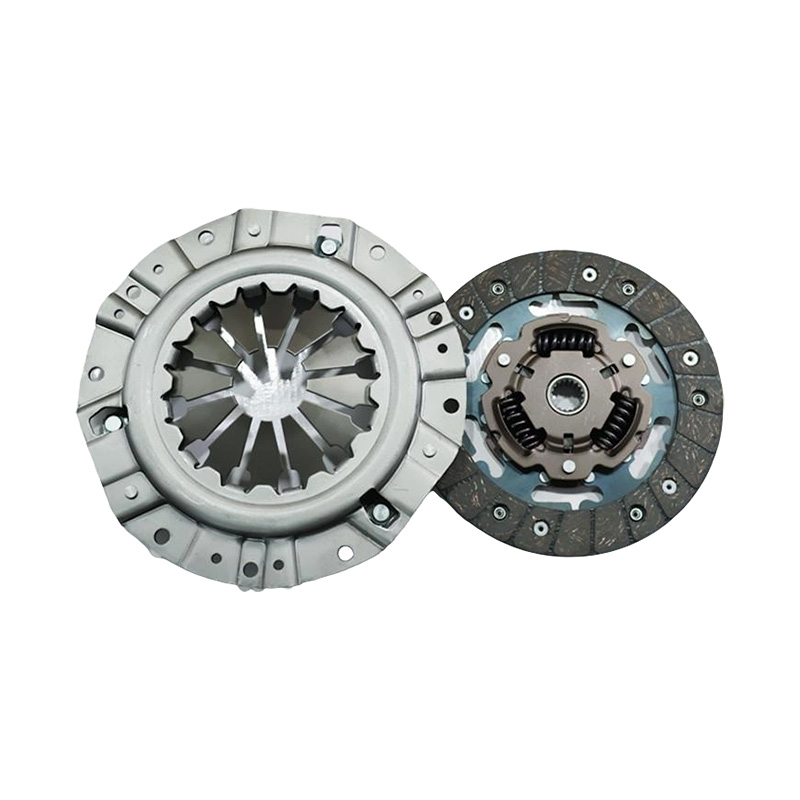
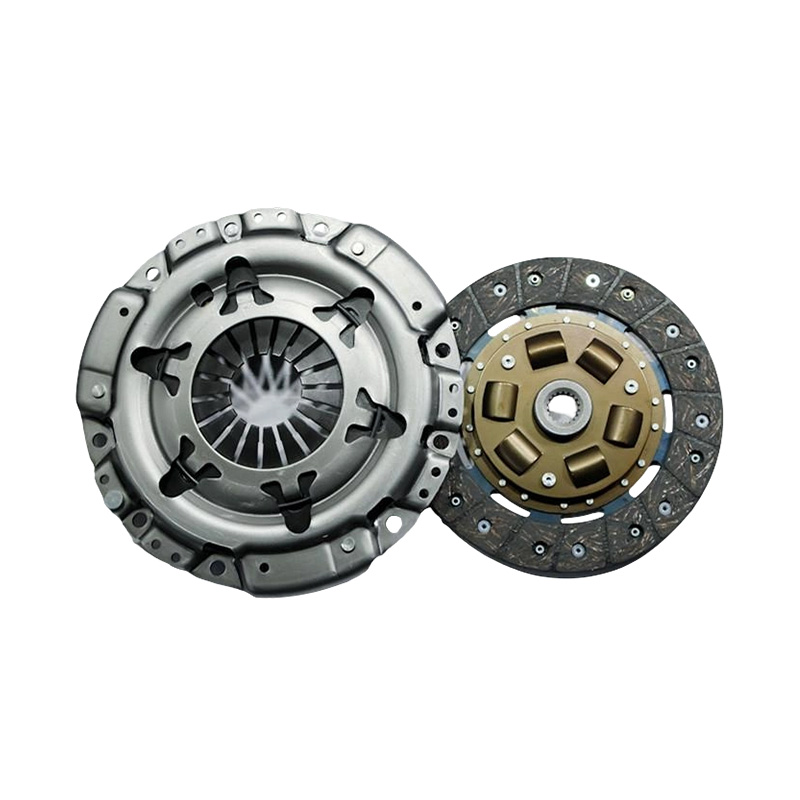
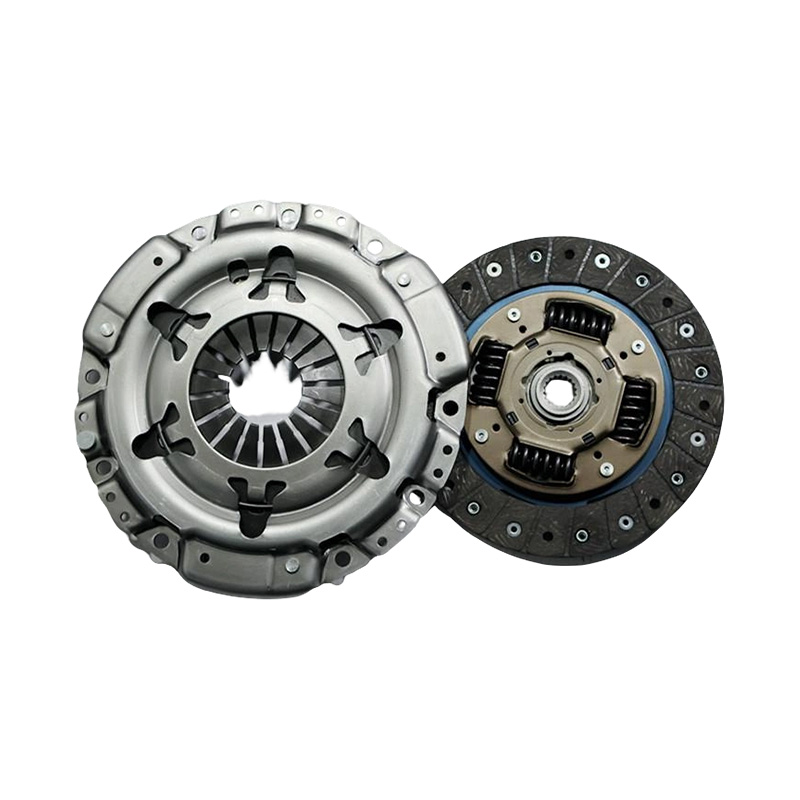
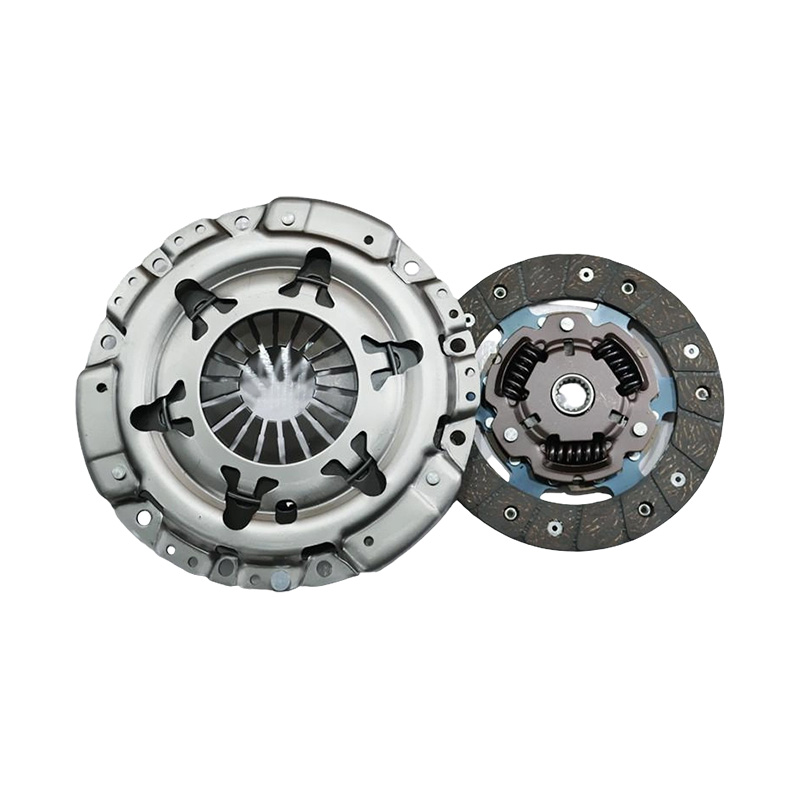
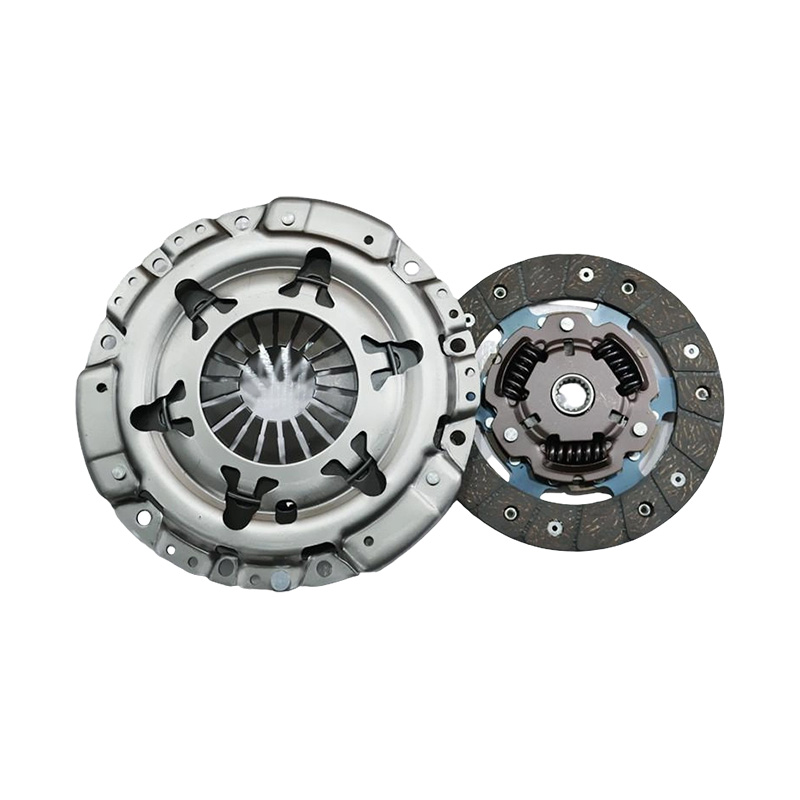
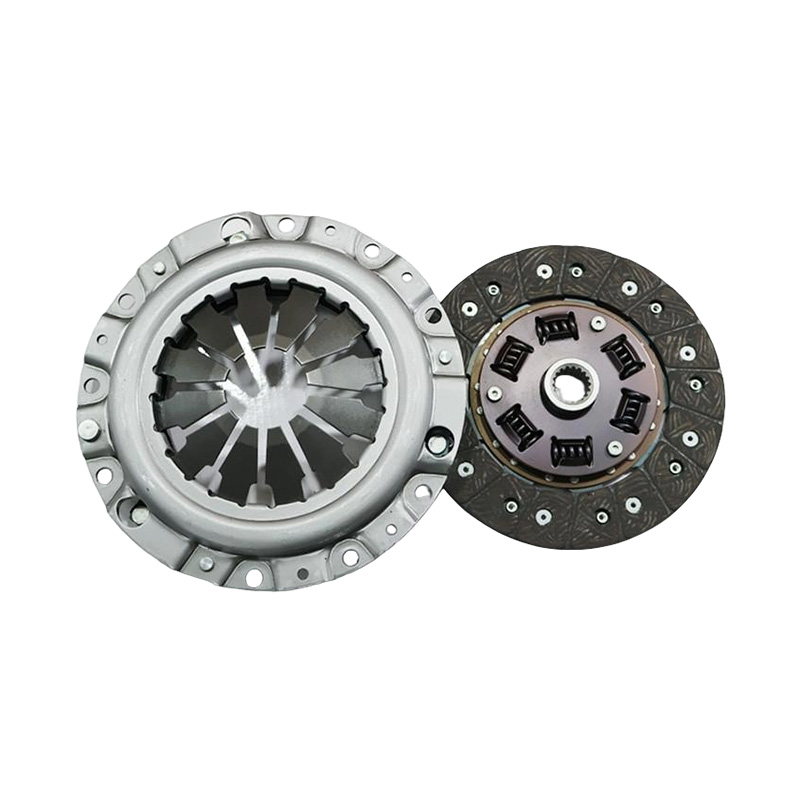
The parts that spin with the engine crank are called crank-side components. The flywheel is attached to the engine's crankshaft. It helps the engine run smoothly and provides a surface for the clutch to grip. The pressure plate cover is bolted to the flywheel. Has a spring inside that applies pressure to the clutch.
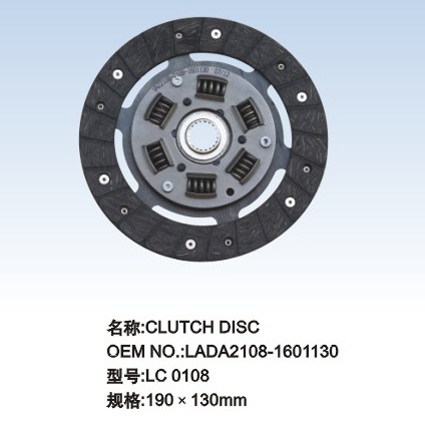
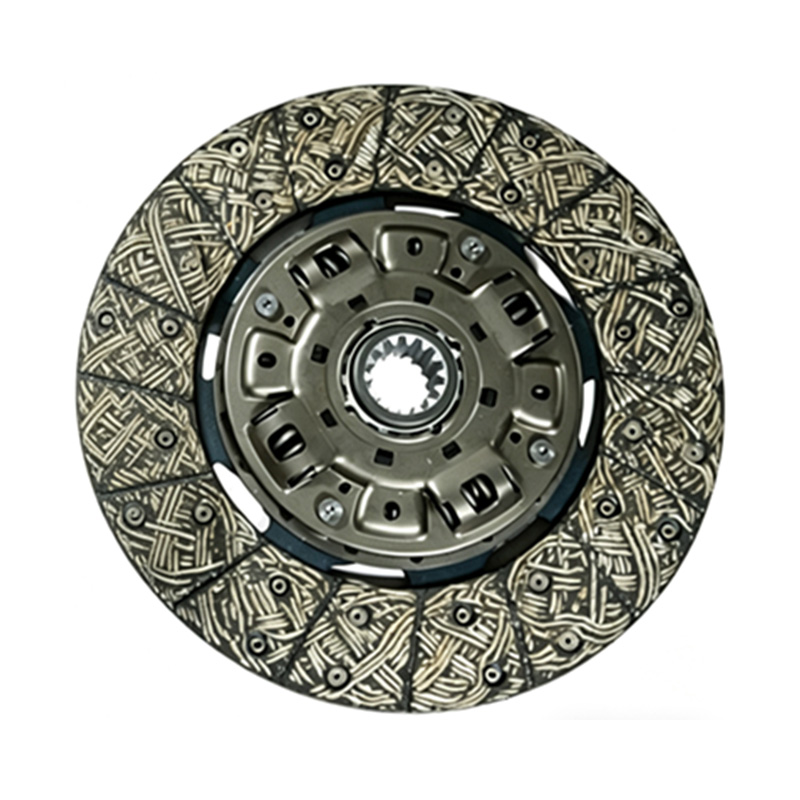
The parts that spin with the gearbox input shaft are called gearbox-side components. The driven disc is located between the flywheel and pressure plate. It has friction material on both sides. Is connected to the transmission input shaft. When the pressure plate clamps down on the disc it locks the disc to the flywheel. Turns the input shaft.
The actuation components are the pedal, master cylinder, slave cylinder, fork and throw-out bearing. When you press the pedal it releases the pressure plate. Disconnects the driveline.
Here is what each component does:
| Component |
What It Does |
| Flywheel |
Adds rotational mass; provides friction face for the disc |
| Driven disc |
Carries friction material; splined to input shaft |
| Pressure plate cover |
Houses the diaphragm spring that clamps the disc |
| Throw-out bearing |
Converts fork motion into spring compression |
| Fork |
Transfers slave cylinder movement to the bearing |
Yes many clutch manufacturers offer OEM services. They work directly with vehicle manufacturers to provide assemblies. They also offer ODM services for aftermarket distributors and private-label brands.
A manufacturer with in-house engineering and production can. Build a clutch assembly from start to finish. They can provide custom labeling, packaging and even friction materials. If you are a distributor or workshop owner you can work with a manufacturer to get branded clutch assemblies.
The lifespan of a clutch depends on factors. With driving habits a clutch can last over 90,000 miles. Some clutches can last up to 150,000 miles or more. Fleet and heavy-duty applications often require clutches to last least 200,000 kilometers.
However driver behavior can affect the lifespan of a clutch. If you ride the clutch or use full-throttle launches, you can reduce the lifespan of your clutch.
Here are three signs that your clutch is wearing out:
- The engine RPM. The vehicle does not move
- The pedal feels different. Softer, stiffer. The catch point has changed
- You smell something burning after driving
In cases yes. OE quality clutch kits are designed to work with factory flywheels. They have the dimensions and will bolt up correctly.
However performance clutch kits may require a flywheel. If the kit includes a flywheel you will need to use it. If it does not the clutch is designed to work with your OEM flywheel.
Should I Choose an OEM Clutch Assembly or a Performance Clutch?
It depends on your vehicle and driving habits. OEM clutch assemblies are designed for engagement and light pedal pressure. They are suitable for driving and provide a comfortable ride.
Performance clutches on the hand are designed for high-performance driving. They clamp harder. Handle more heat. They are suitable for vehicles that have been modified for high-performance driving.
Here is a comparison of OEM and performance clutches:
| Aspect |
Standard OE Unit |
Performance Unit |
| Clamping force |
Matches factory spec |
Higher |
| Pedal effort |
Light |
Noticeably heavier |
| Engagement character |
Gradual, smooth |
Quick, sometimes chattery |
| Heat tolerance |
Moderate |
Significantly improved |
| Friction material |
Organic |
Cerametallic, Kevlar, or carbon |
| Drive quality in traffic |
Excellent |
Tolerable at best |
If you are replacing a worn-out clutch on a daily commuter an OEM clutch assembly is a good choice. However if you have modified your vehicle for high-performance driving a performance clutch may be an option.

 English
  中文简体
中文简体  русский