Heavy-Duty Truck Clutches: Failure Signs, Key Differences, and Kit Contents
For a heavy-duty truck, the clutch is the critical mechanical link between the engine and the transmission. It handles immense torque and endures hundreds of thousands of miles of use.
What Warning Signs Should You Look For in a Failing Heavy-Duty Truck Clutch?
A heavy duty truck clutch usually does not fail all of a sudden without giving you warning signs first. If you notice these heavy-duty truck signs early on you can avoid getting stuck on the side of the road and also prevent more expensive damage to your heavy-duty truck transmission.
Clues for the Driver
- Inconsistent or Difficult Shifting: If gears become cumbersome to engage or the truck "walks" forward at idle while in gear with the clutch depressed, the clutch is likely failing to disengage properly.
- Slipping and Noise: A failing clutch often produces unusual noises. A slipping clutch will cause the engine RPM to rise without a corresponding increase in speed. Grinding, chattering, or squealing when the pedal is pressed indicates friction material wear.
- Pedal Feel Issues: The clutch pedal may become spongy, stiff, or sink to the floor. This often points to hydraulic issues, such as a failing master or slave cylinder, rather than the clutch disc itself.
Clues for Service Technicians
- Adjustment and Lubrication: Many clutches require scheduled adjustments and specific lubrication. Failing to perform these tasks leads to gradual damage and is a leading cause of premature replacement.
- Visual Inspection: Technicians should inspect the release fork and input shaft for wear. Worn grooves on the splines of the input shaft can cause the clutch to bind and must be replaced alongside the clutch.
- Automated Transmissions (AMT): Modern AMTs provide more precise warnings. Dashboard notifications or fault codes (like Eaton's Fault Code 706) can alert technicians to clutch wear weeks before failure, using algorithms to measure actuator travel.
Heavy Duty Clutch vs. Standard Clutch: What’s the Difference?
The main differences are construction, holding capacity, and intended use. A standard (or OE) clutch is built for general use, a heavy-duty unit is built for severe applications.
| Feature |
Standard Clutch |
Heavy-Duty Clutch |
| Primary Use |
Regular highway driving, moderate loads |
Severe usage, off-roading, towing, constant heavy loads |
| Clamping Force |
Lower pressure, suited to factory horsepower |
20-40% more clamping pressure to handle increased torque |
| Material |
Organic, designed for smooth engagement |
Sintered iron or high-friction compounds for durability |
| Durability |
Wears faster under stress; prone to overheating |
Built to withstand high heat and extended wear |
| Drivability |
Smooth engagement, easy daily operation |
Can be "grabby" and difficult to slip, requiring more effort for smooth starts |
For a truck that consistently works at its maximum Gross Vehicle Weight (GVWR) or pulls heavy trailers, a heavy-duty clutch is necessary. A standard clutch in these applications will slip, overheat, and fail prematurely. However, a race-spec heavy-duty clutch with extreme grip may be unsuitable for daily stop-and-go traffic due to its abrupt engagement and potential for fusing components under heat.
How Do I Know If My Truck's Clutch Is Slipping?
One of the most common and easily identifiable failure modes is clutch slip. This occurs when the clutch disc can no longer hold the flywheel securely, letting the engine rev up without transmitting all of its power to the drivetrain.
The fifth gear test is the most definitive test to confirm a slipping clutch:
- When driving, use fifth gear at low revolutions.
- Push the accelerator pedal hard to the floor.
- Result: The clutch is slipping if engine rpm jumps up quickly and vehicle speed is slow to respond or if the rpm “flares” and drops.
Other telling signs include:
- Loss of Power: The truck struggles to accelerate uphill or under load, even though the engine is revving.
- Burning Smell: A distinct acrid smell of burnt friction material entering the cabin or coming from underneath the truck.
- Engine RPM Fluctuation: The tachometer needle jumps erratically during hard acceleration or while climbing a grade.
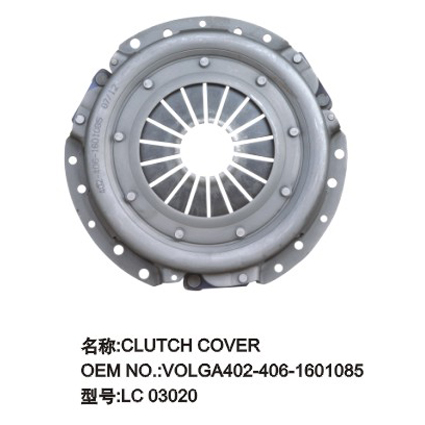
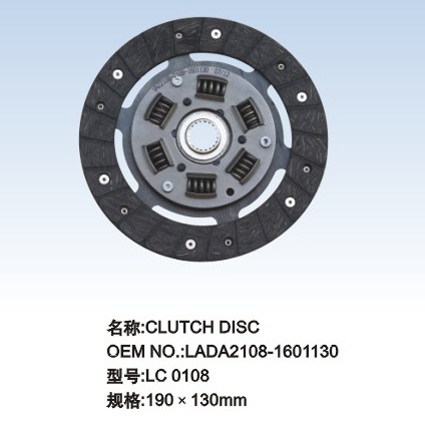
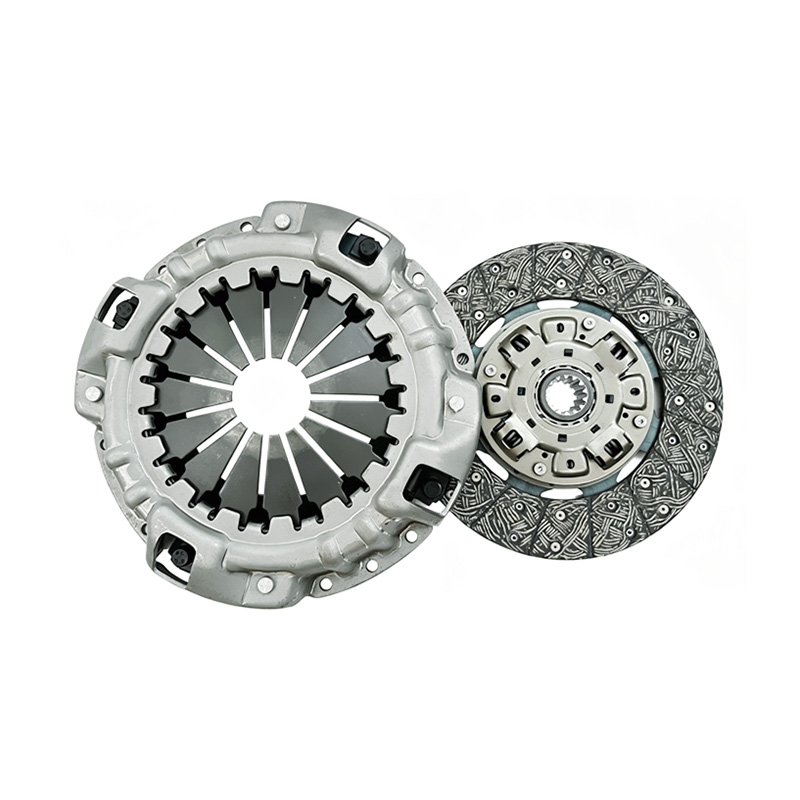
A clutch kit for a heavy-duty truck usually contains the core components required for a replacement. While the exact contents vary by manufacturer and application, a complete professional-grade kit typically includes the following items:
| Component |
Function |
| Clutch Disc (Friction Disc) |
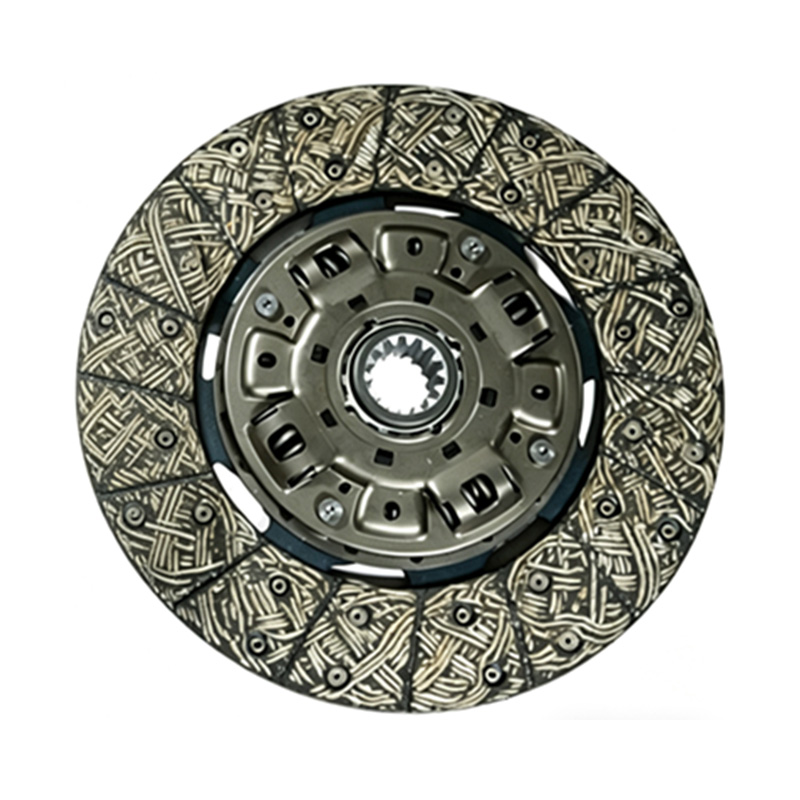
The friction plate that engages the flywheel to transfer engine torque. |
| Pressure Plate |
The mechanism that applies clamping force against the disc to hold it against the flywheel. |
| Release Bearing (Throwout Bearing) |
Connects to the release fork to disengage the clutch when the pedal is pressed. |
| Pilot Bearing or Bushing |
Supports the transmission input shaft in the flywheel. |
| Alignment Tool |
A plastic tool used to center the clutch disc during installation. |
| Clutch Brake |
A component that stops the transmission gears from spinning, enabling smoother shifting. |
| Mounting Hardware |
Bolts and fasteners specific to the vehicle's application. |
It is critical to use a complete kit rather than replacing just the disc. Components like the input shaft and release bearing wear simultaneously. Failure to replace these related parts can lead to a repeat failure in a very short period, with professionals noting that repeated failure is almost always traced back to not replacing these worn components during the initial swap.

 English
  中文简体
中文简体  русский